
There were quite a few passengers on this trip who were first-timers with National Geographic/Lindblad trips, and now that I’m on my third, I was asked a few times which was the best. My answer was ‘All of them’ – there are similarities on each of the trips, and so far at least, each trip meets or exceeds expectations. By that, I am referring to the consistency in quality of the services provided – food, housekeeping, overall comfort of the cabins and common areas. All were equally excellent. The same goes for the ship crew, the Lindblad hotel staff, and the National Geographic staff of naturalists, trip leads and other specialists. Each ship had a unique cast of characters, but all were experts in their field, veritable fountains of knowledge, with great personalities. On this trip we had two divers, one of whom I’ve met on a whale tour in Moss Landing, who dove in the frigid water almost every day, and gave some incredible presentations on what they found down below (yes, they wore dry suits). We had one specialist for birds, one for flora, and then there was an amazing geologist who teaches at UCLA, who must have a waiting list for his classes. And every trip with National Geographic is like this. What differs between trips of course, is based on the locale – there will be different activities depending on the water and weather conditions, and the seasons as well. Snorkeling in Galápagos Islands and Baja…of course. In Alaska, Patagonia and Antarctica. I hope not.
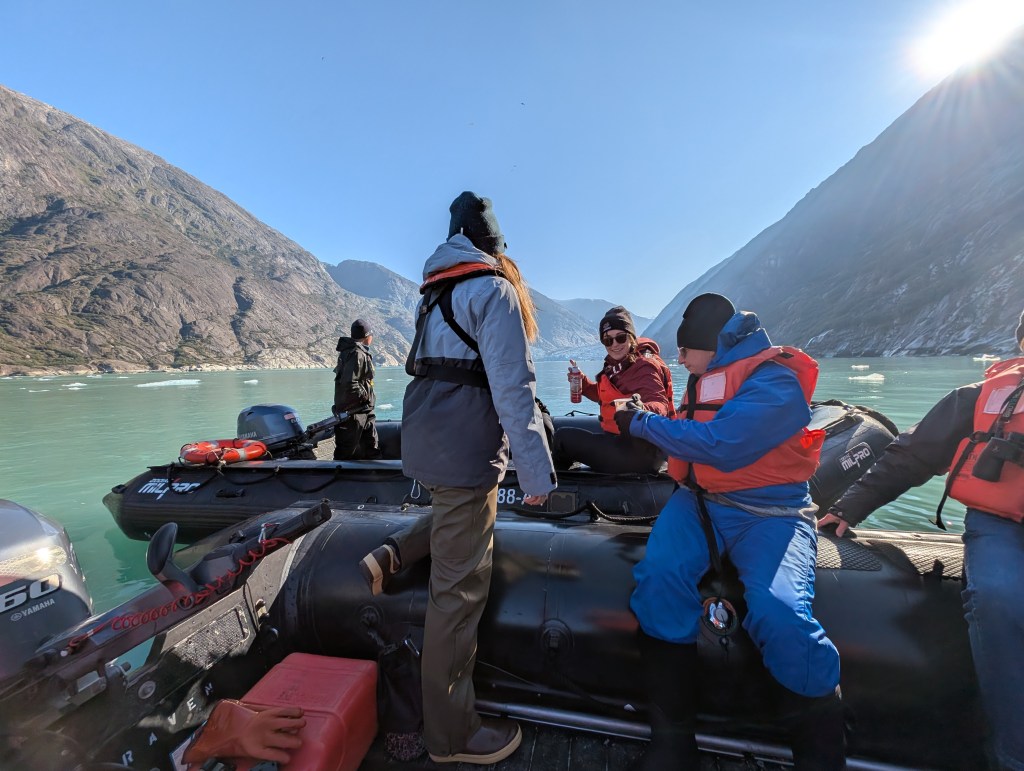
So this trip had all the qualities I expected for services consistency, other than the awful noise from the ship propellers and rudder equipment. At least I now know not to reserve a cabin at aft end of the ship. The kayaking was not particularly interesting, but that’s sort of based on pure luck as to whether there are beasties around. One couple in the same location saw a really cool jelly fish. Others saw harbor seals. Me? Nada. Some people really enjoyed the hikes, bushwhacking in the forests – I prefer the desert for hiking, but I did find the one hike I did interesting. Even managed a few good photos. And avoided falling in the muck. I did not have much luck with the whales, but the Baja trip did not work out too well either. Bears? Well, at least I did see one. The first boat out had 3 or 4 bears, one of which went for a swim close to the boats. One photographer got some incredible shots. But, at least I saw one. Same goes for some of the other wildlife – a few people managed to see and photograph puffins. I did not (sniff). But, I’ll have a better chance in Iceland next year. These trips provide the opportunity for seeing and photographing the wildlife, but it is still luck as to whether the animals are cooperating, and whether you happen to be ready or in the right place/boat/side of the boat to catch the shot.
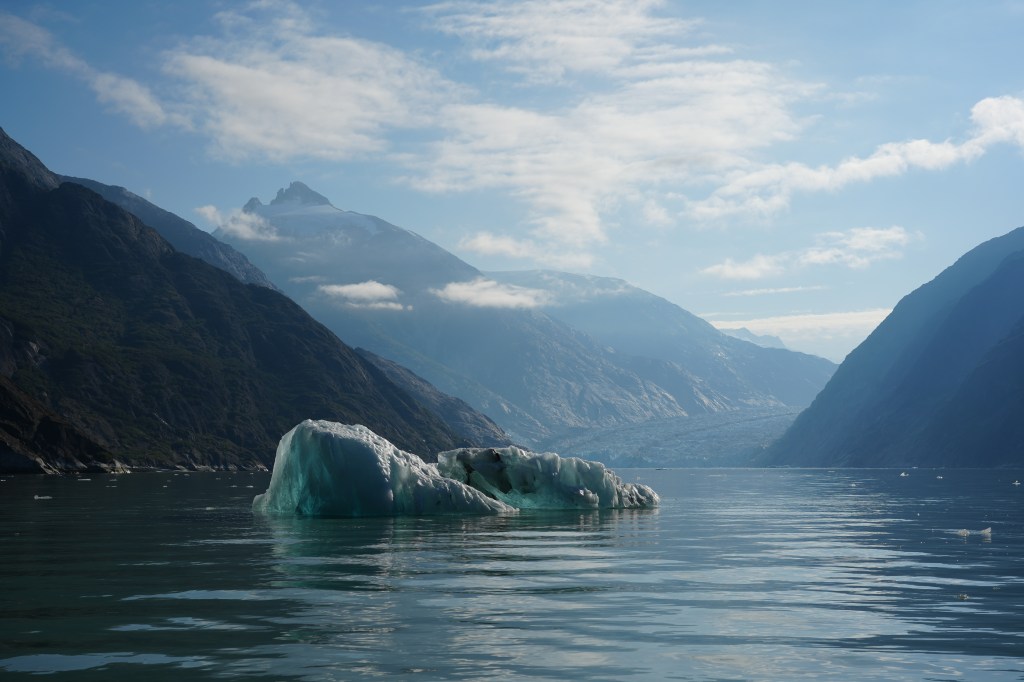
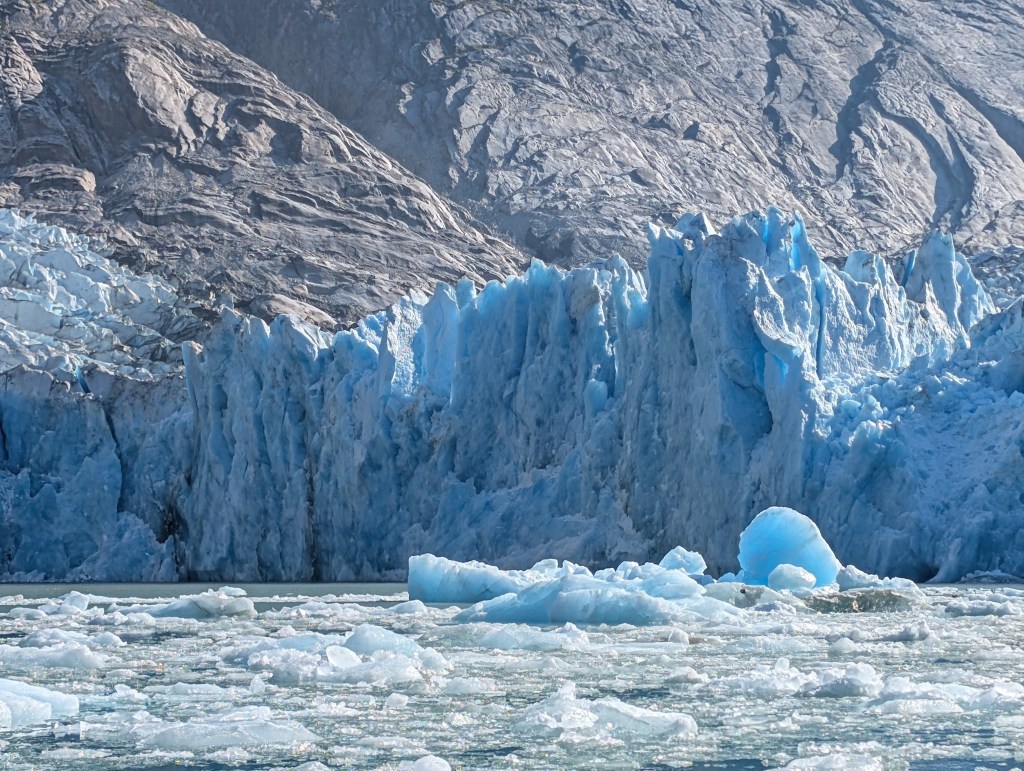
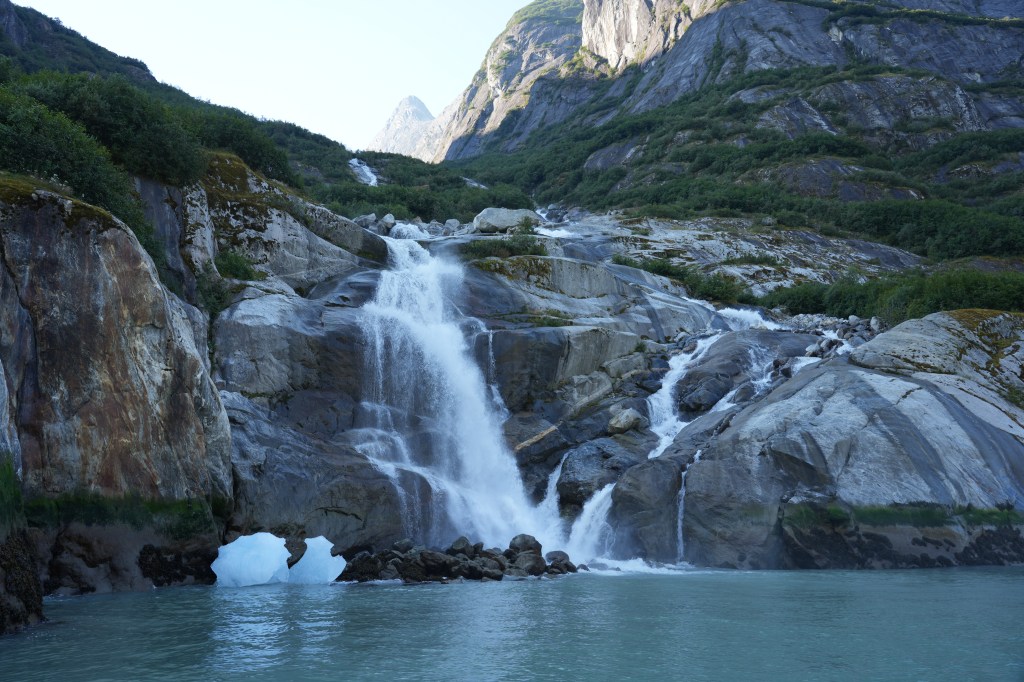
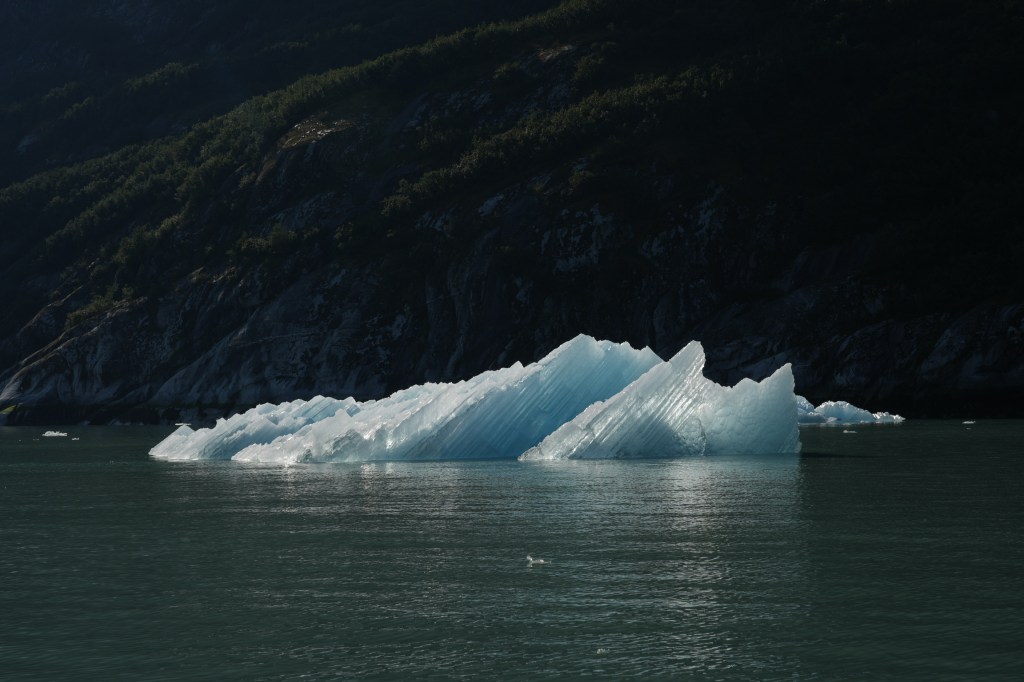
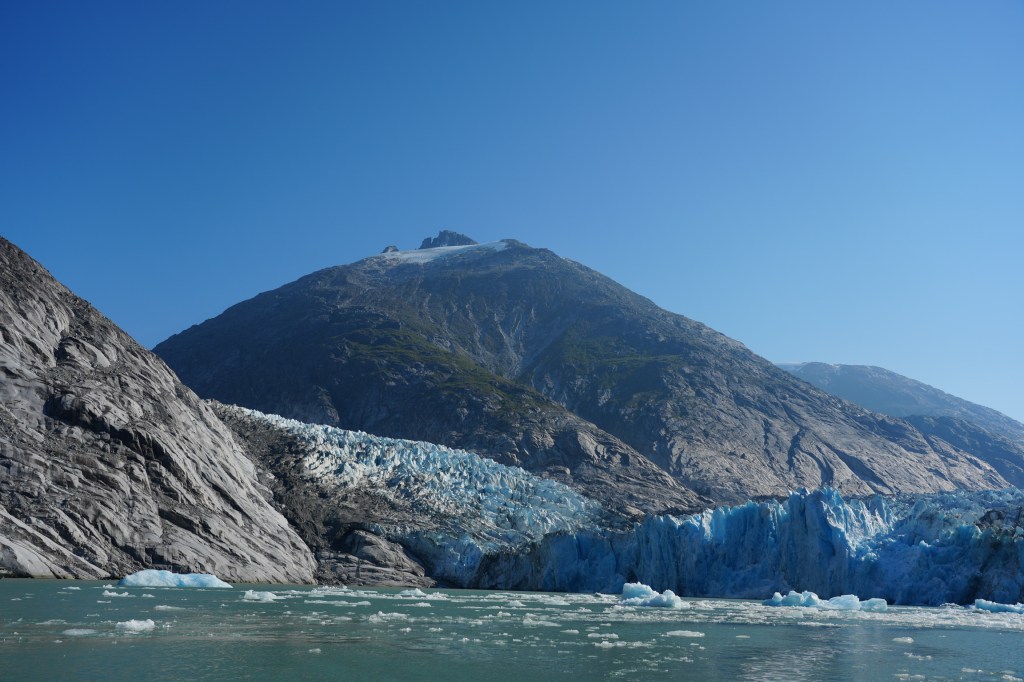
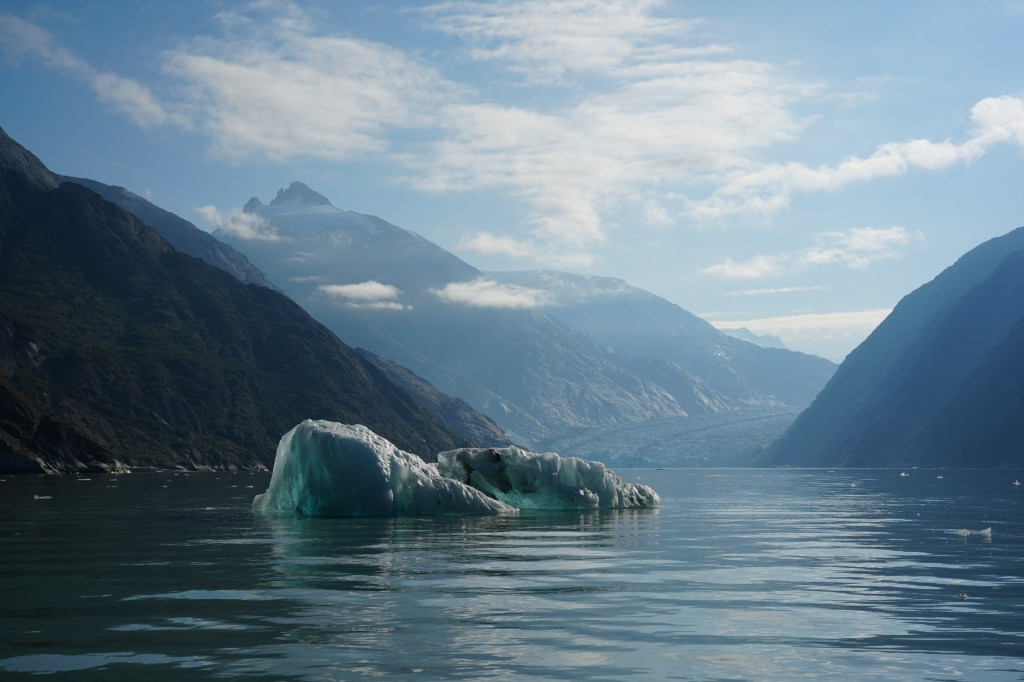
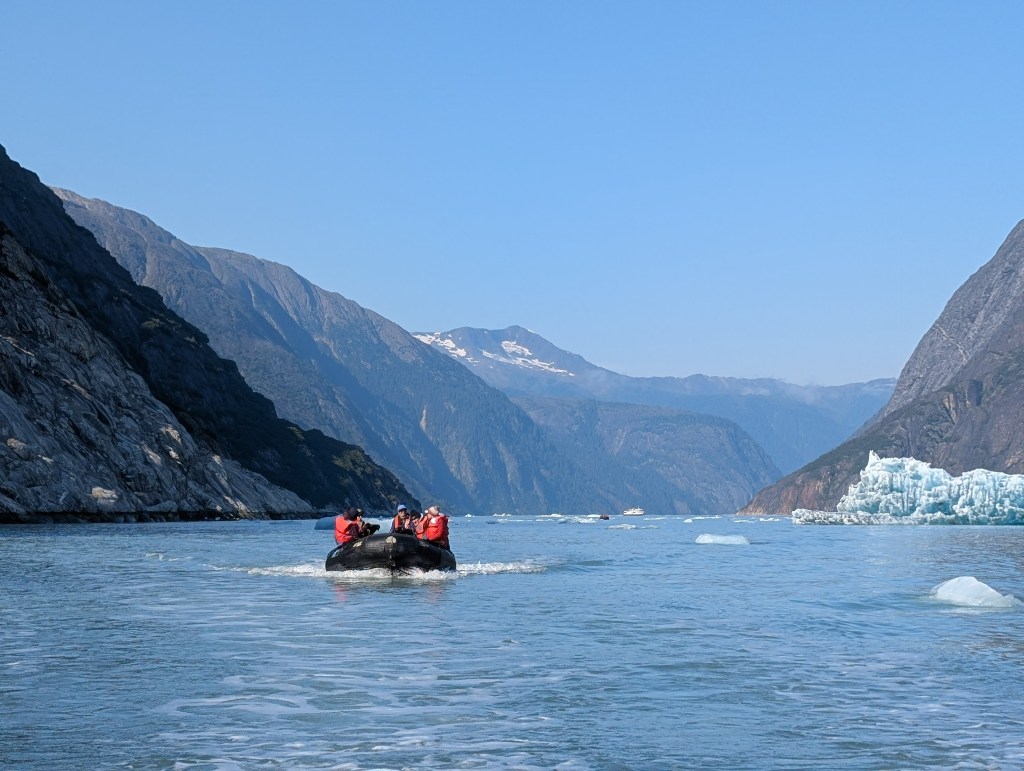
Being a glass-is-half empty type of person, I thought I did not do so well on the wildlife photography side. But, I’m happy with the glacier, sunset and ocean landscape photos. Plus, it was fun just seeing it all. I put down the camera a few times, and just watched the incredible views. Good memories for sure.
Alaska Trips (and trip extensions)
Scheduling trips by myself is something new, and has been a learning experience. Travel plannig has always been a joint venture with Jan – we’d bounce around on where to stay, how long we should go, and come to some agreement. Actually, there was never that much to agree upon, since we both usually came up with the same solution to just about anything trip related. So now I’ve been a bit hesitant about extending trips, where it’s not part of the package. It was different with domestic travel, where I’m driving my own car. Going at it on my own in remote places or foreign counties is a bit more challenging. On this trip, I had thought about extending the stay in Juneau, rather than coming home right after disembarking. After spending a few hours there, I regretted that decision. There was plenty to do for another day or two. I’m also seriously considering going back some day to Petersburg. Nice little town, off the beaten path (maybe no path at all).
I have already started looking at the big trips now, and what I can do in terms of extensions. I’m going to Iceland a few days early, all on my own (frightening), and plan to visit a bizarre tour of a magma chamber. Extinct of course. I’m doing the same (no magma chamber) for Patagonia, and will probably stay on in Africa after the Madagascar trip. I am starting to get comfortable with this travel thing. I’d better learn how to pack better (see below).
The Right Stuff (packing gear for the trip)
I definitely have to learn how to take less stuff on these trips, but it’s hard to do when there are so many activities. Since I use the laundry service on the ships, I need to take less of everything. But that’s not really where the volume and weight comes from. Jan used to complain about my shoes which take up a lot of volume. There’s not much I can do about that – I have big feet (13B). The problem is I’ve needed hiking boots and another pair for walking on the ship and/or using for wet landings. So I always need a spare pair. I also brought a pair of paddle board shoes for kayaking and never used those. Rain gear and kayak gear have been a necessity on these trips, along with layers for evenings and cold mornings. So I’m still not sure what I could have left behind. I’ll work on that for the next big trip…Antarctica, which will require bulkier/warm clothing. I can see more trips to REI in the future. It’s like Cheers for me – going to a place where they know my name.
For camera gear, I did use the monopod on-board the Quest as planned and it worked well, but that was it. I could have used the feet to stabilize photographing the Northern Lights. I used the big lens as well as the two smaller lenses, but did not need the 50-300mm, so that will stay behind in the future. The one thing I really could have used was the other Sony camera body (7RII), so I would not have had to switch lenses all the time. Cleaning the sensor is a pain. So not much will change for Antarctica (or any of the other Nat Geo trips). And the new camera bag (the latest one) is fantastic.
The photo backup kit I’ve put together works great. I have a small case which can carry a 4TB SSD drive, a 1TB thumb-drive, the card dongle for the iPad and a USB-C splitter. I used it all, and also helped a few others who needed help downloading images.
Solo Traveling
As I mentioned in one of my posts, I still find solo traveling awful. I love the trips, but hate doing it by myself. But I have no choice if I want to continue traveling, so I just have to get used to it. I seemed to have a more difficult time socializing on this trip, and spent a lot of time by myself, even skipping breakfast all but one day to avoid having that “Mind if I join you” moment. I think the first day when two tables basically said “no” kind of freaked me for the rest of the trip. But, there were a number of people who spent time with me, and I appreciated that, and got to spend quite a bit of time with a few couples. This is something I need to work on. But it will take a long time for me to stop thinking about Jan, every time I step foot in a cabin by myself. Same as when I walk into my house.
Air Travel
I’ve pretty much got the carry-on bag problem solved now with my large selection of camera bags. That, and flying First Class does make a difference. The flights to and from Alaska all worked out well. The two flights going home were packed, especially out of Juneau. I never knew that you could ship boxes of frozen fish back on the airlines. There was a strong smell of fish on the plane during boarding….really. And the baggage carousel in Sacramento was packed with these huge freezer boxes.
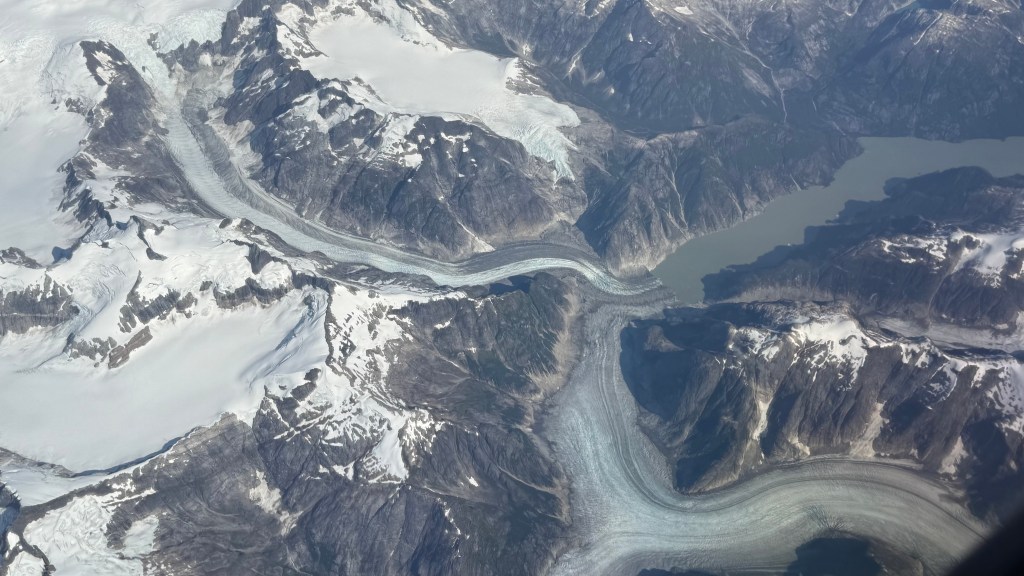
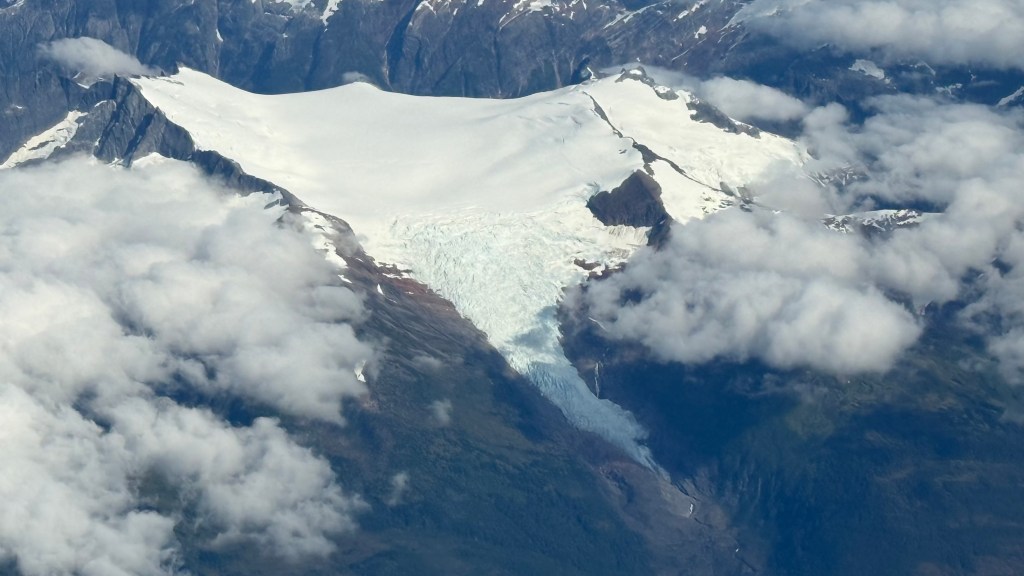
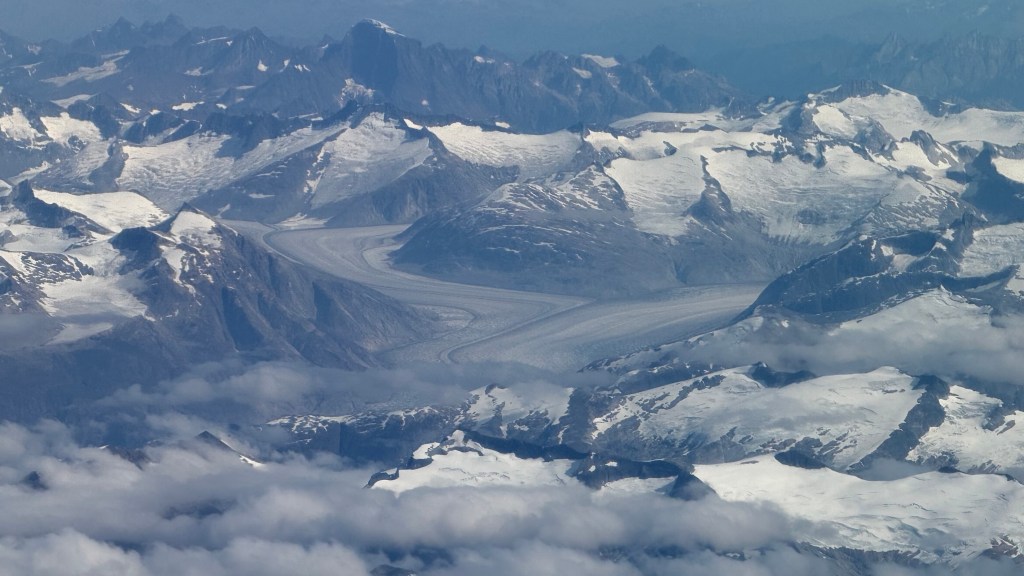
My flight from Juneau to Seattle was fun – the plane flies over the mountains along the coast, and you get a fantastic view of the glaciers. The guy sitting next to me by the window spent the first half hour of the flight snapping photos with his camera, and he shared these with me via AirDrop. Incredible stuff (if you are into geology).


The flight from Seattle to Sacramento was not as much fun. The 49’ers played in Seattle, and there were quite a few fans heading home after the game. I settled into my seat with the rest of the early boarders, hoping for another interesting (or quiet) person to fill the window seat. In stumbles a very drunk young woman, who just barges in without letting me get out of the way, and then yells into her phone how this will be a disgusting flight. She ordered a double vodka drink from the flight attendant, and then continued her phone call while the plane was moving on to the runways. The flight attendant came over and forced her to put the phone away. The attendant handled it very well, giving her a glass of sparkling water instead of vodka. Fortunately, she pretty much passed out for the rest of the flight. New rule – no flights on major holidays (I left on the Labor Day weekend), and check the schedule for major sporting events.
Summary
Overall, this was a great trip – no regrets or complaints about anything other than the lack of sleep from the noisy cabin. Now I know more about cavitation than I ever wanted to know (one of the naturalists gave a talk on it – perfect timing). I wish I could have seen more bears and whales (and Puffins!!!), but that’s just luck. Sometimes you have it, sometimes you don’t. I’m still on board (pun alert) with National Geographic/Lindblad for cruises, especially after seeing two of those multi-thousand passenger liners close up. And I’m happy with all the gear I’ve purchased…especially the new camera, lens and THE BAG.
So I come home with a smile on my face. Bring on Antarctica. I’m ready for the next trip.







 The Traveling Widower