February 7th, 2026
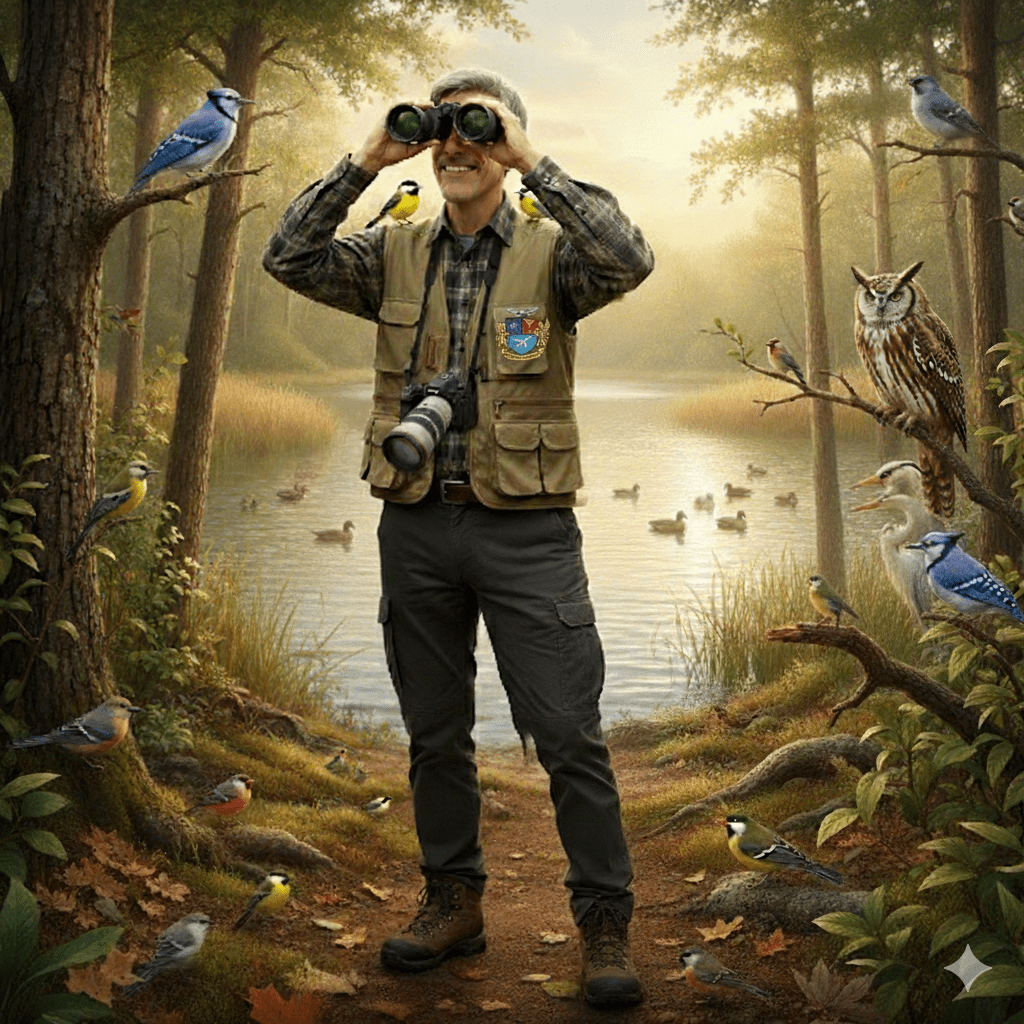
I really do need to stop taking pictures for a while and start prepping for my next trip, just two weeks away. But I’m a compulsive obsessive type, and it’s hard for me to stop doing something I actually enjoy. Like walking around in nature preserves and taking photographs.
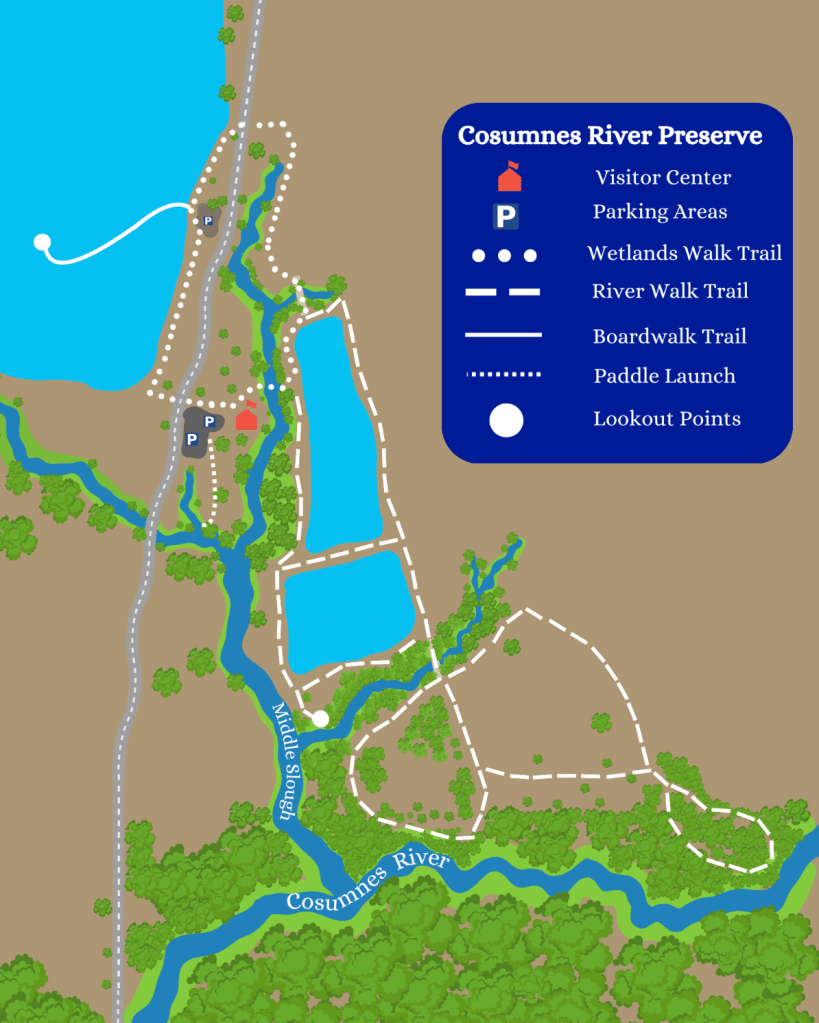
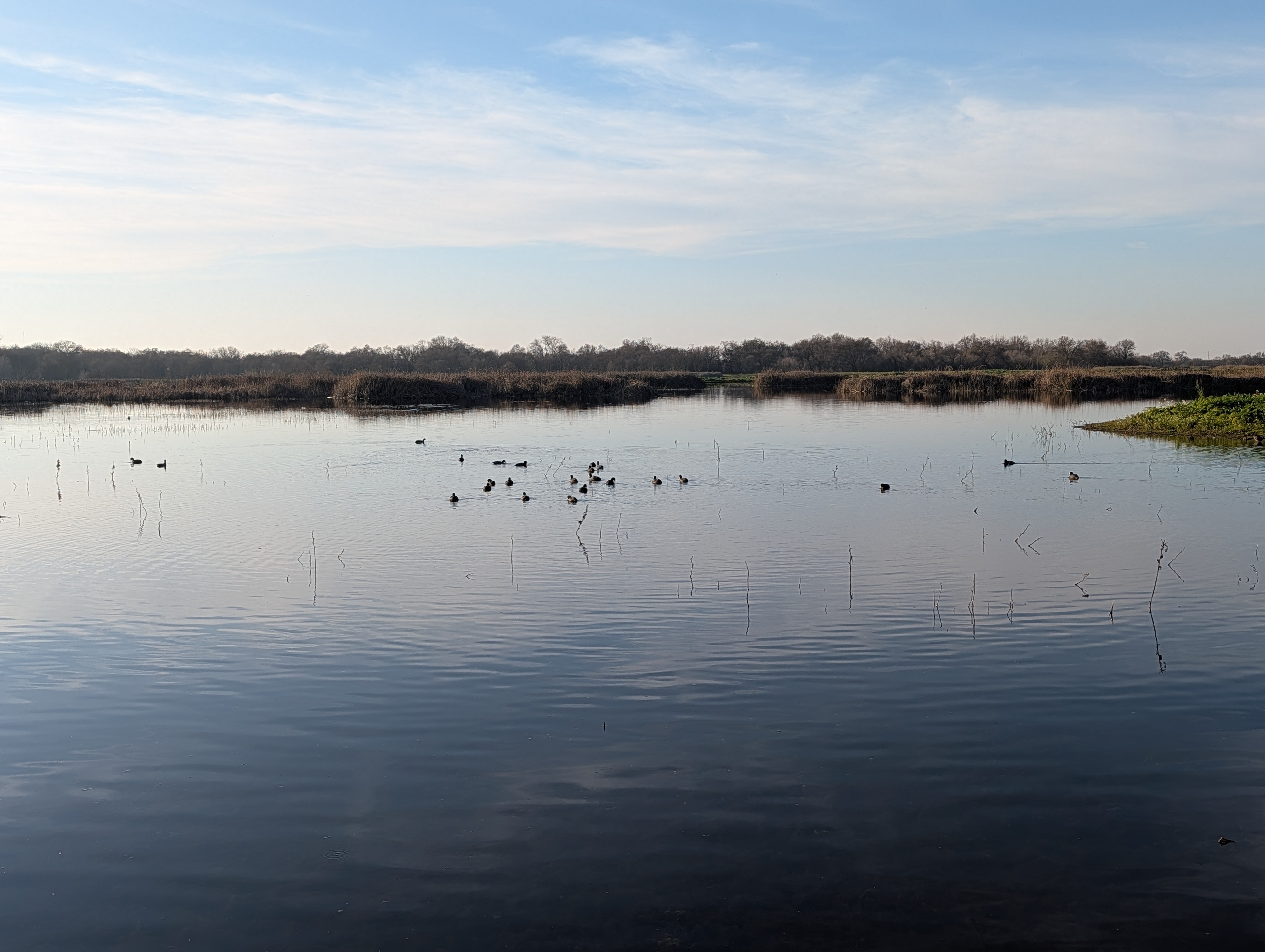
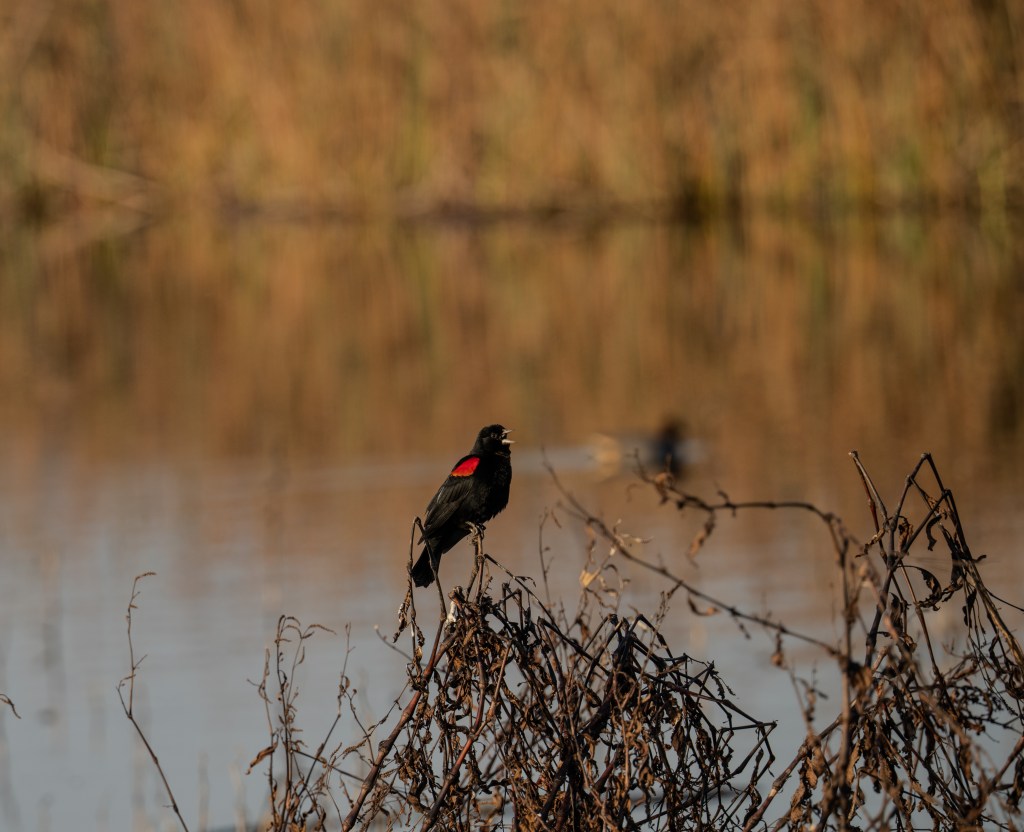
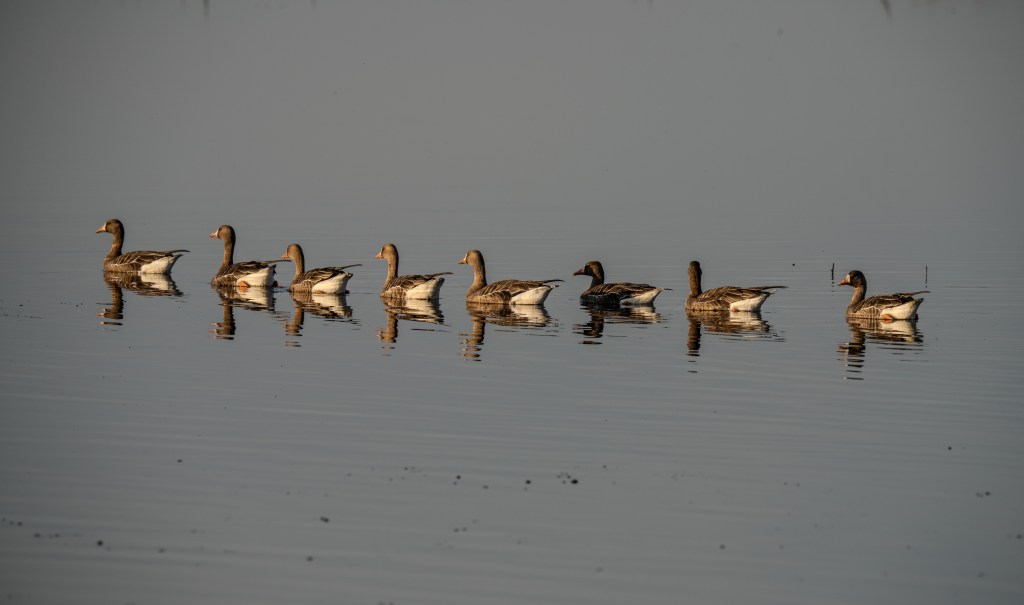
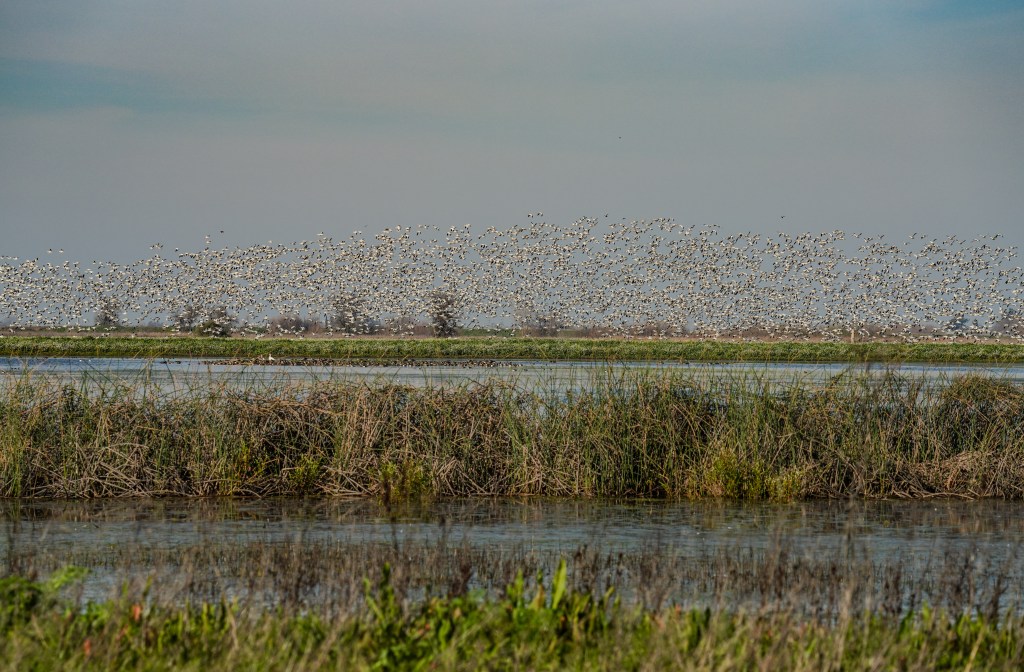
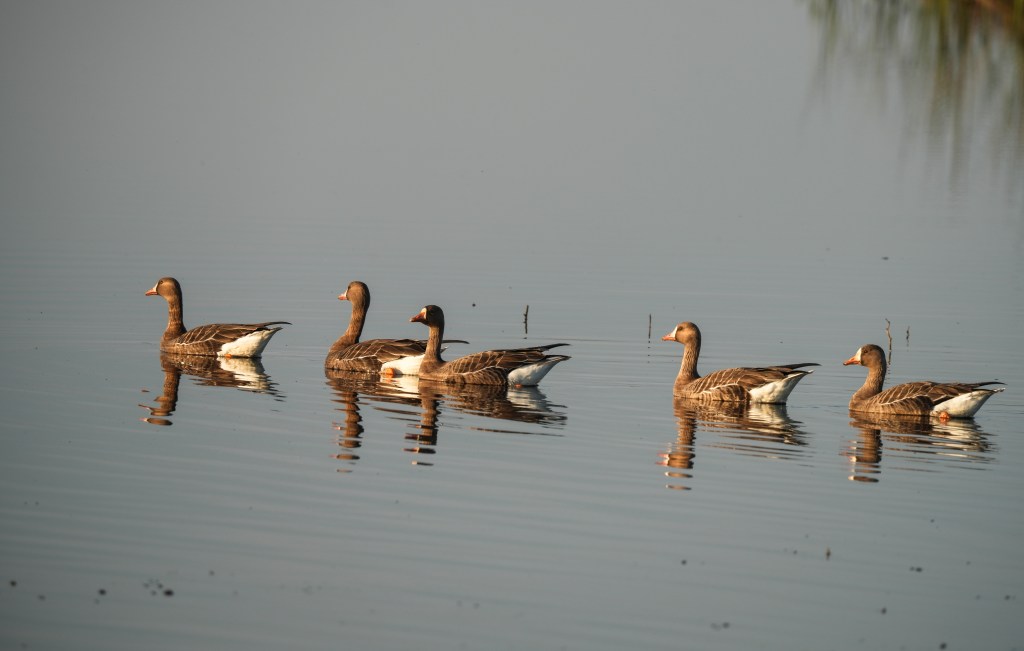
Last week, before I had my knee procedure, I spent a wonderful 3 hours hiking and photographing birds at the Cosumnes River Preserve – I got some nice images, but that short trip was more about just being out in a beautiful spot. Fast forward to Friday – my knee was still sore, but I really wanted to get out of the house for a while. Walking was OK, and the weather was still great, so another outing to the preserve seemed like a good idea.
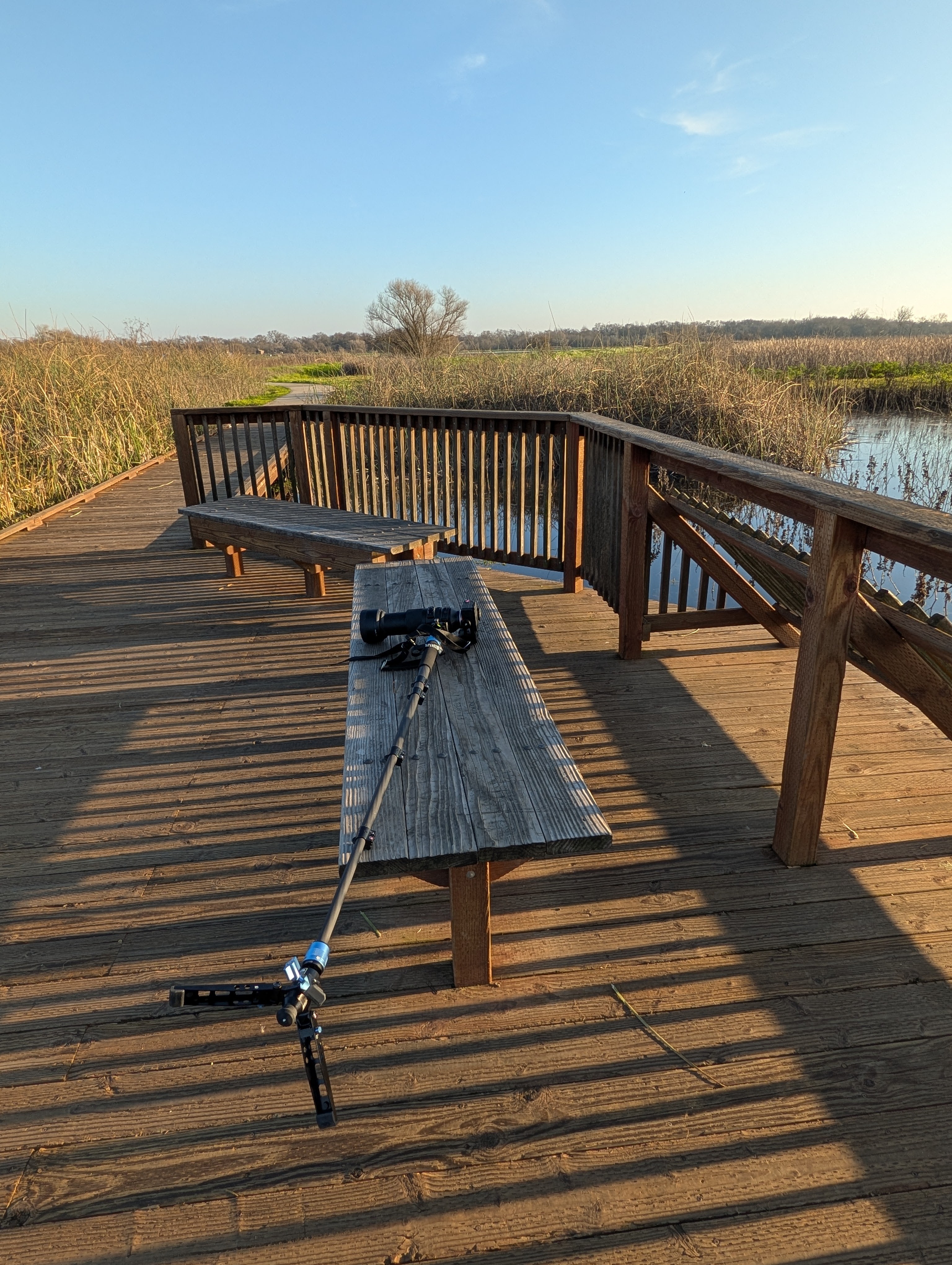
The nice thing about photography close to home, is that you can try out new things, or correct mistakes you made the last time you visited the place, unlike most of my trips where every day is a new location, with totally different lighting conditions. So this time, I brought a tripod instead of the monopod for increased stability of my big, heavy camera and lens, and I shifted to shutter speed priority, since I had quite a few shots which were a bit blurred. The lighting was not too bad, but the birds all move around a lot, especially when they are feeding. I also wanted to focus on lighting this time and avoid shooting into the glare, and also stay there long enough to get that nice, warm sunset lighting. That turned into a long list.
Earlier in the week, there were only a few die-hard birders and hikers at the preserve. This time, on a Friday night, there were gobs of high-school age kids, all carrying binoculars and clip-boards. I’m guessing this was some type of class assignment. Birding 101? Who knew? It seems like the viewing area is also popular for couples who want to take posed selfies at sunset. Whatever.
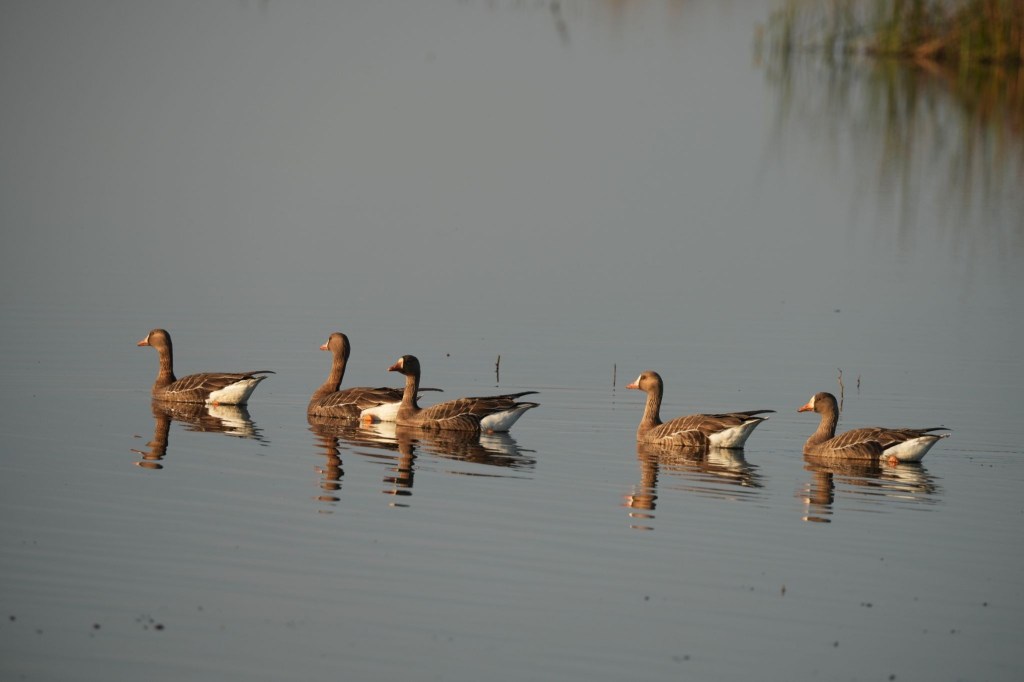
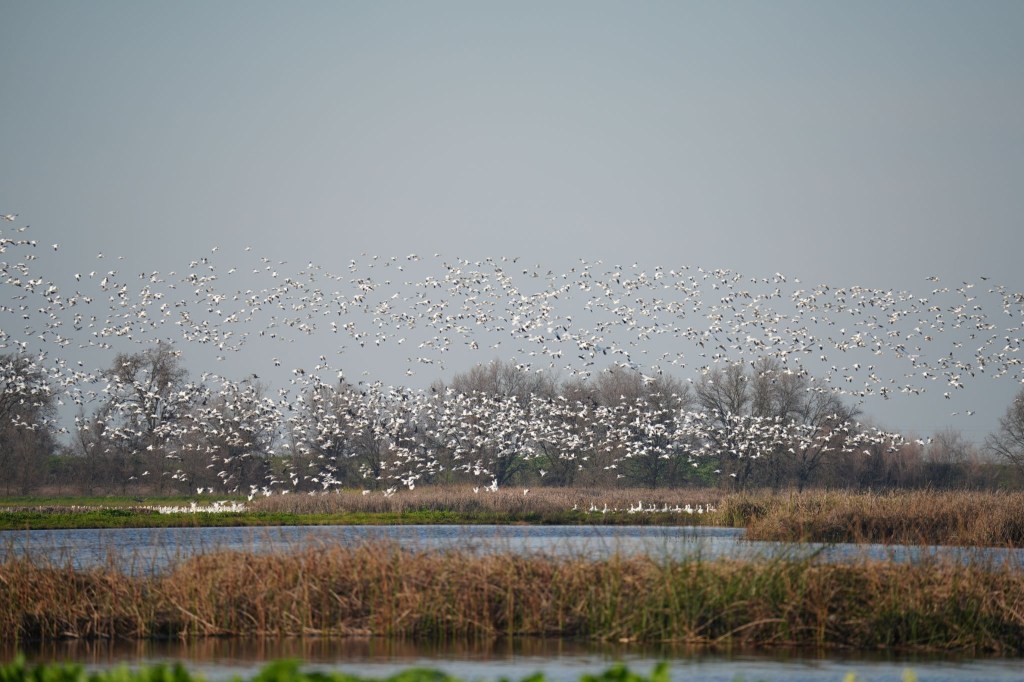
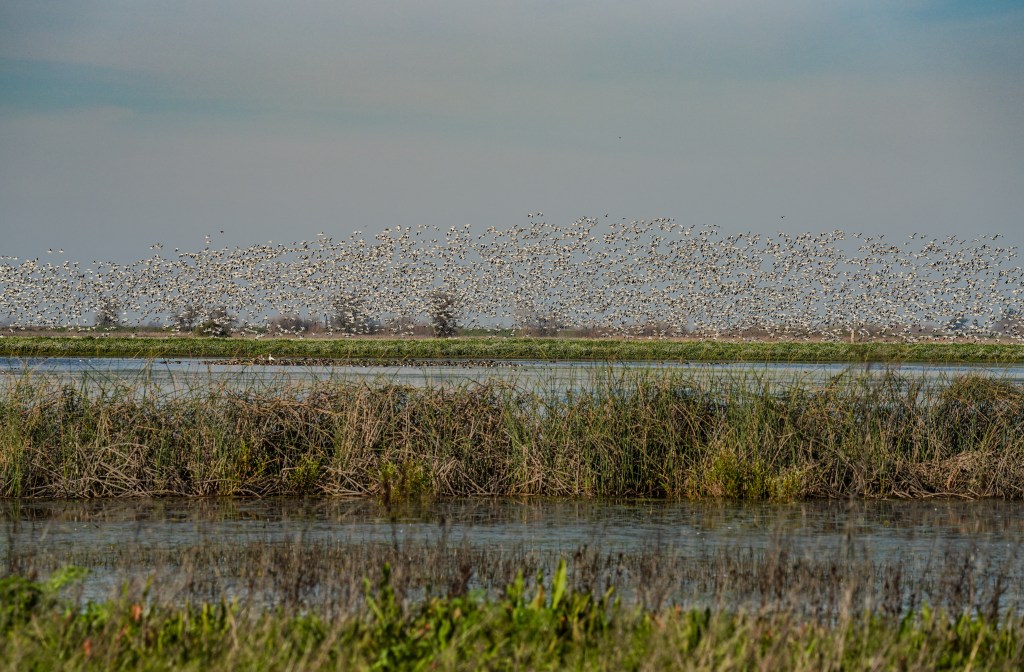
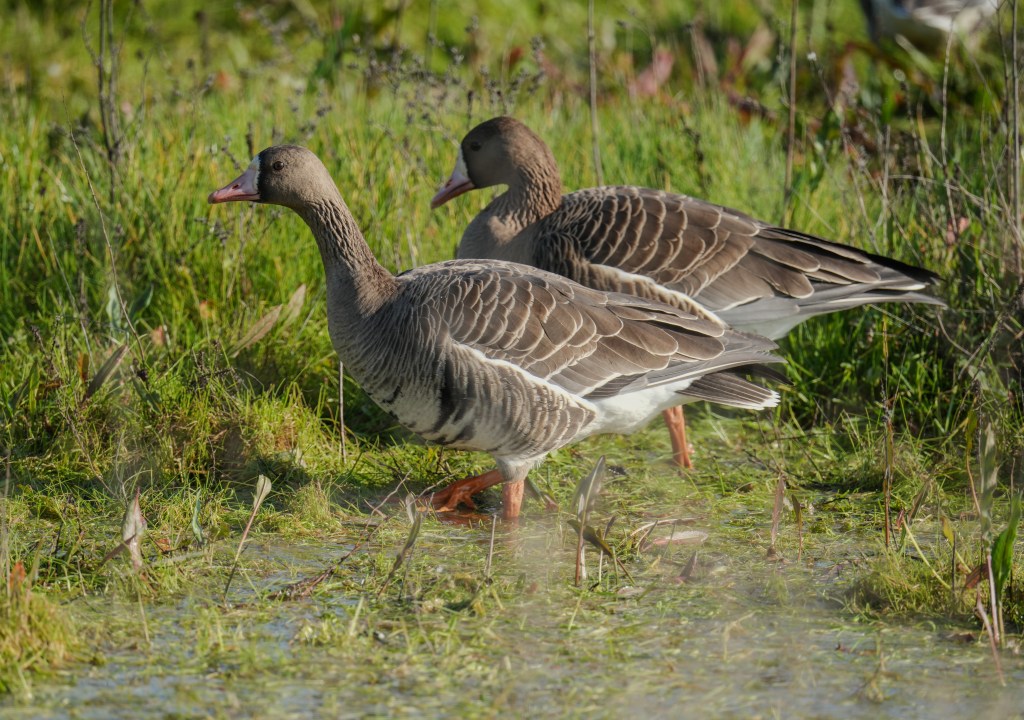
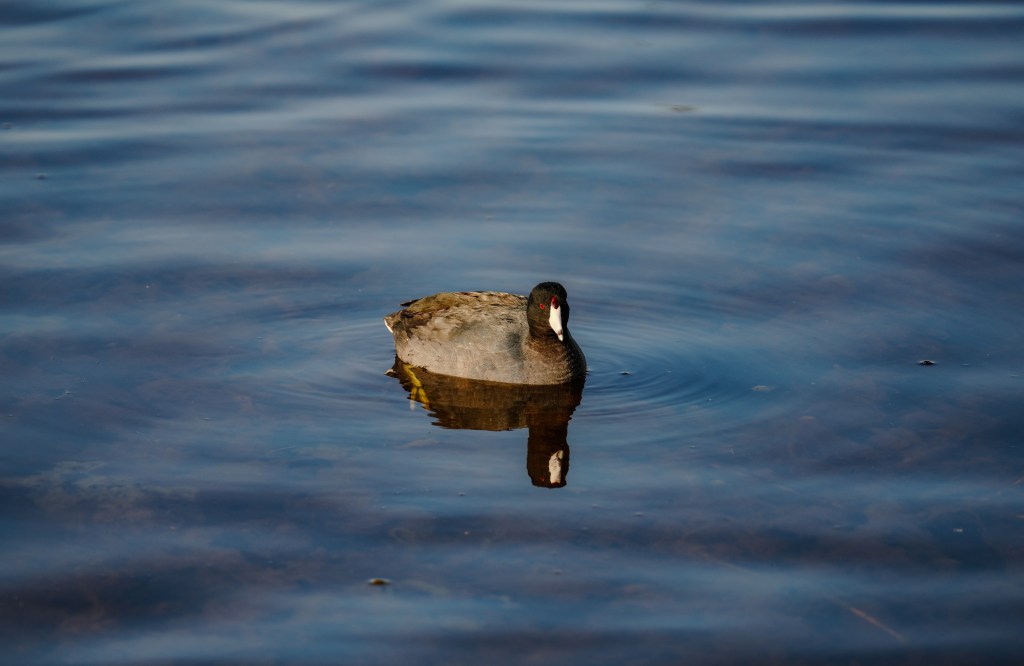
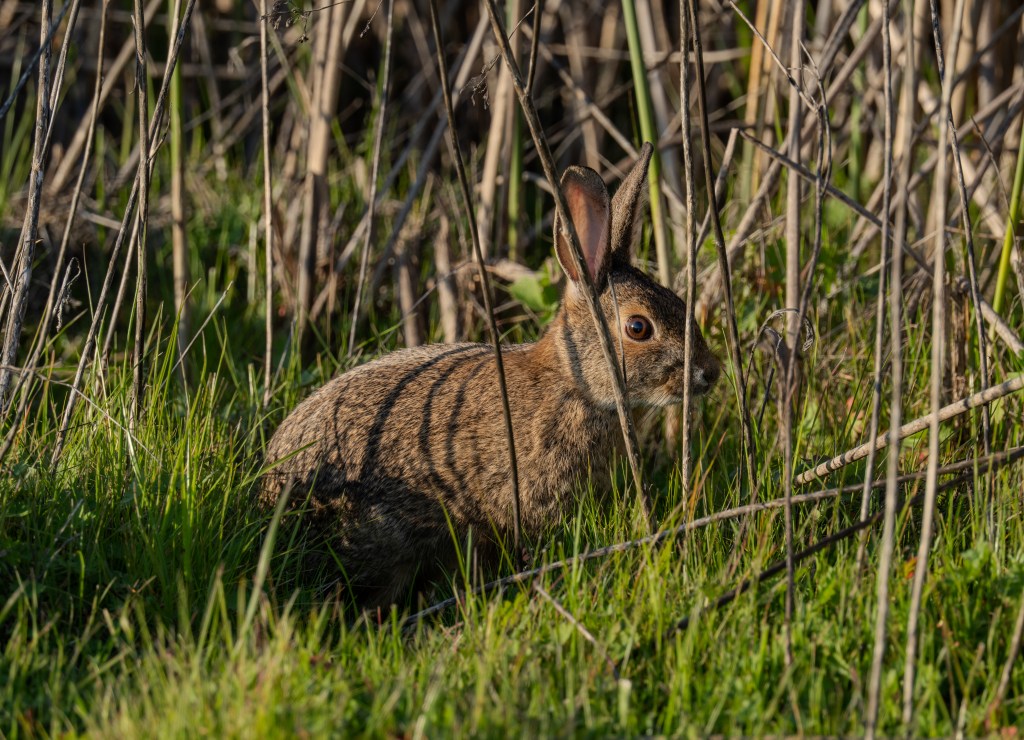
Sometimes with photography, you just luck out – the lighting is perfect and the beasties are cooperative. Well, this was one of those days for me. There were a few birds which I had not seen the day before (Black Necked Stilts, Dowitchers) and a few that were within camera range (Pintail Ducks). The Coots, geese and other waterfowl were all present and active as well. And the lighting was getting better and better as the sun was setting. I wound up shooting about 400 images, with a higher percentage of keepers than I normally get. And quite a few are worth entering for competition and contests. I’ve just started curating with Adobe Lightroom, but here are a few of them.
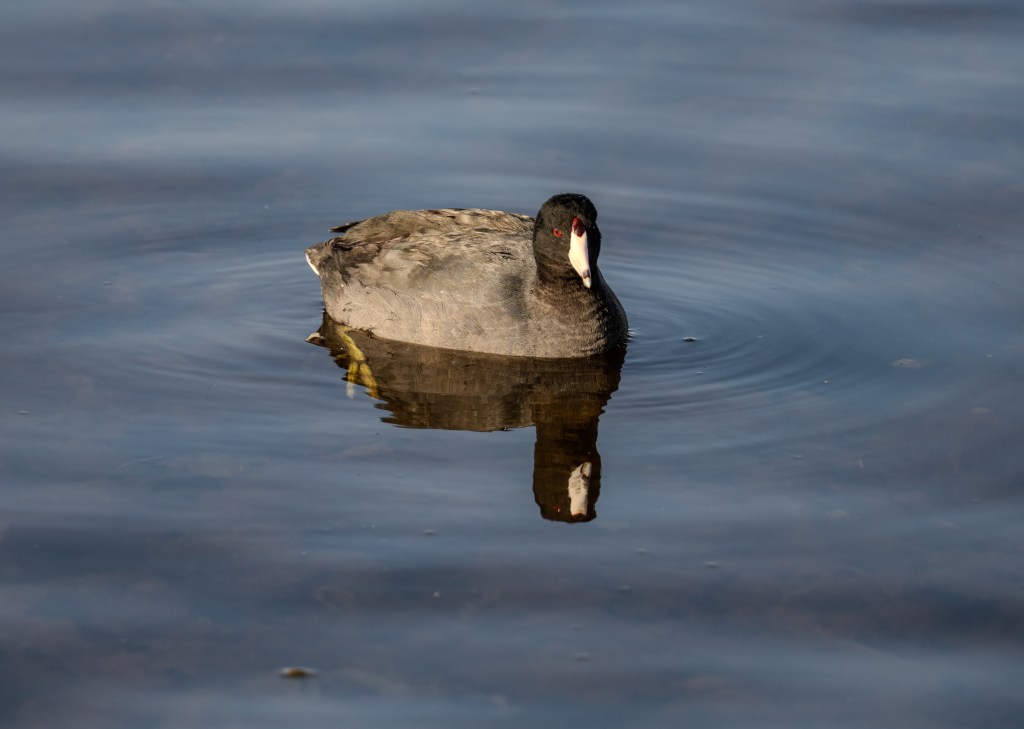
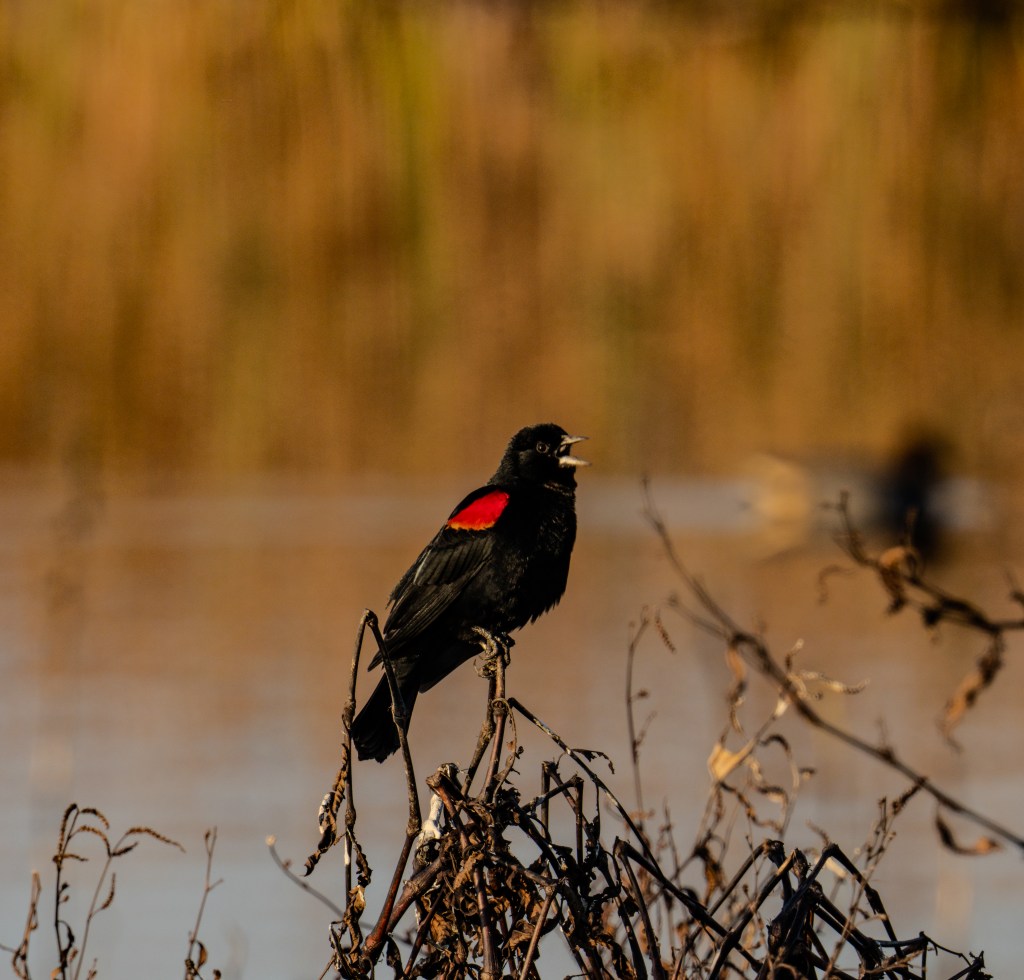
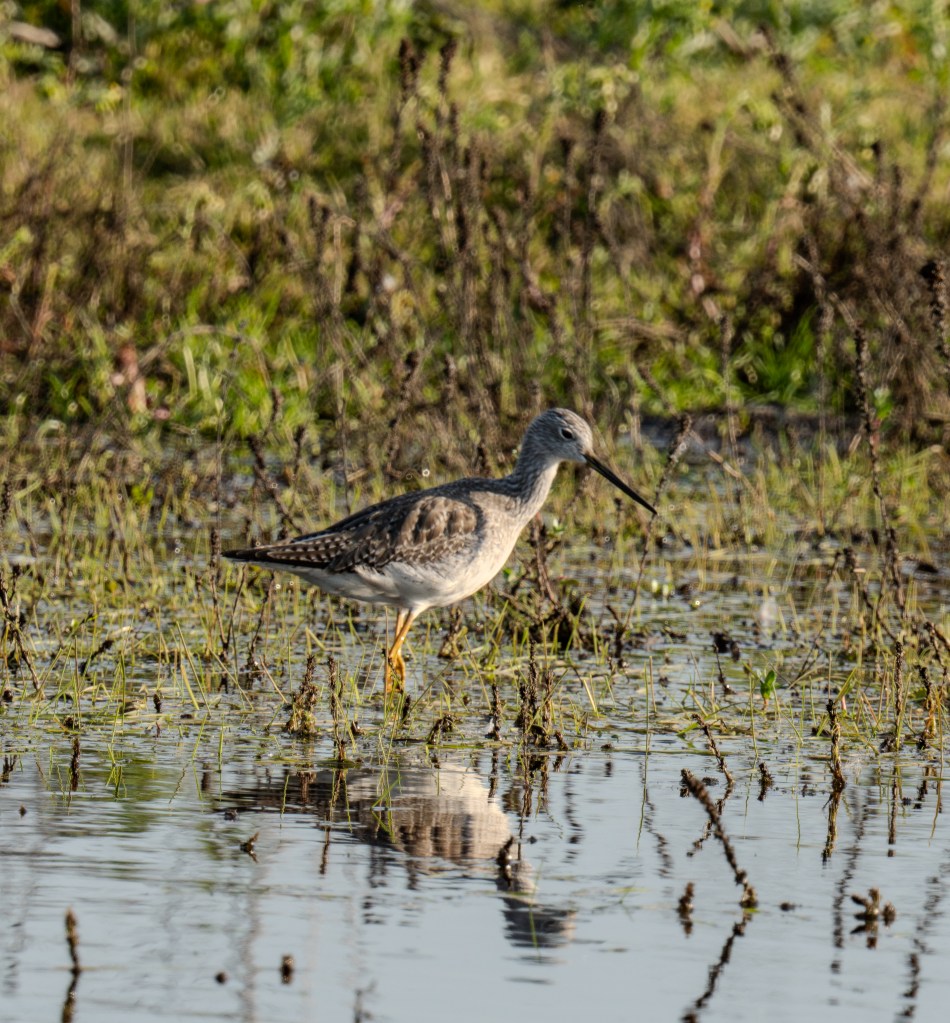
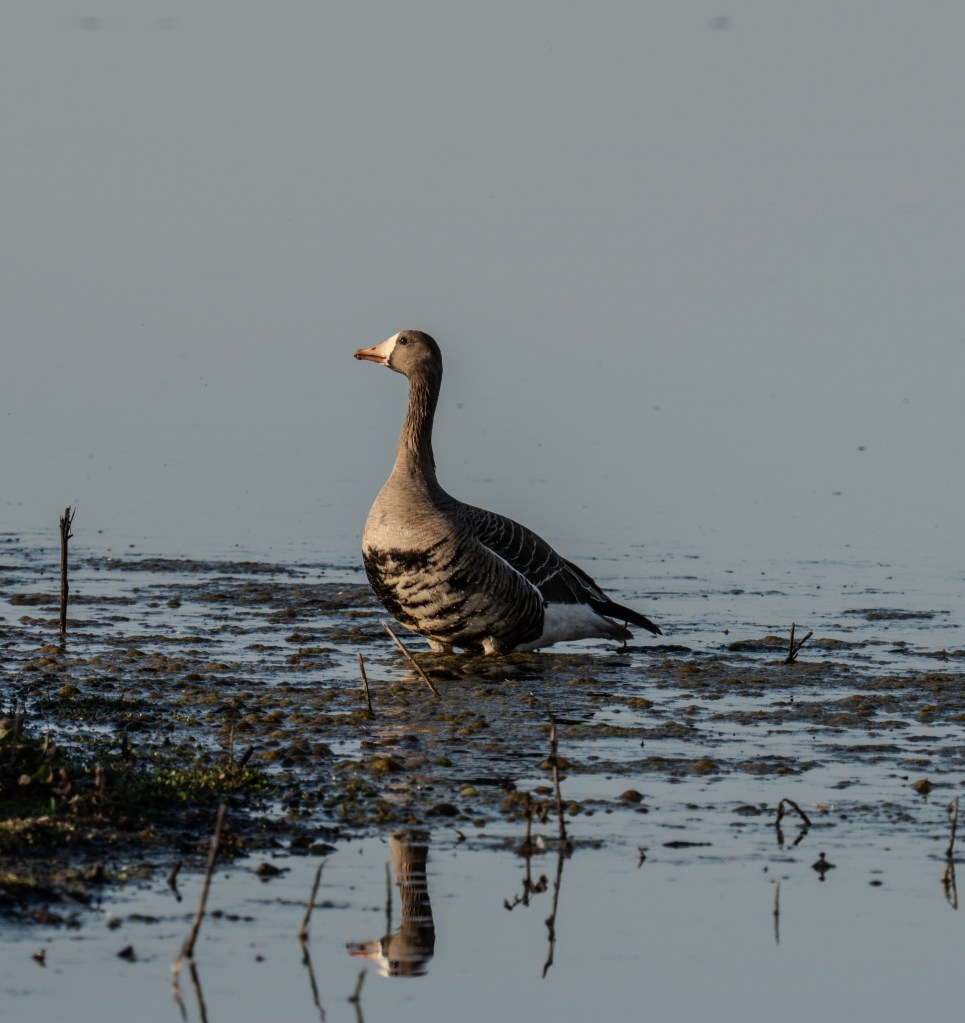
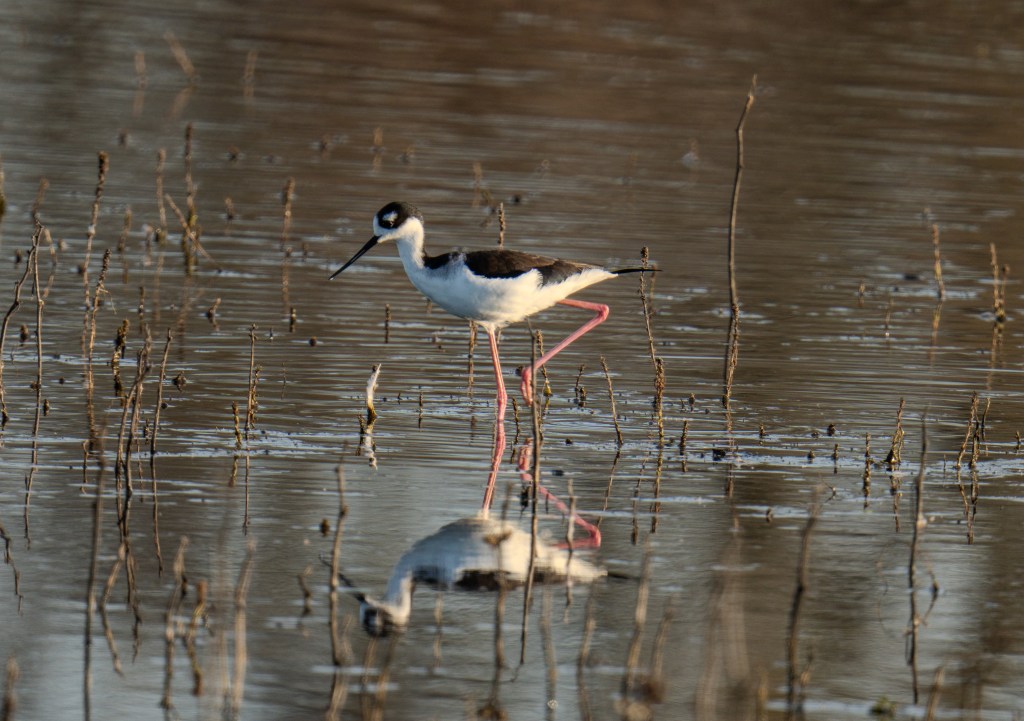
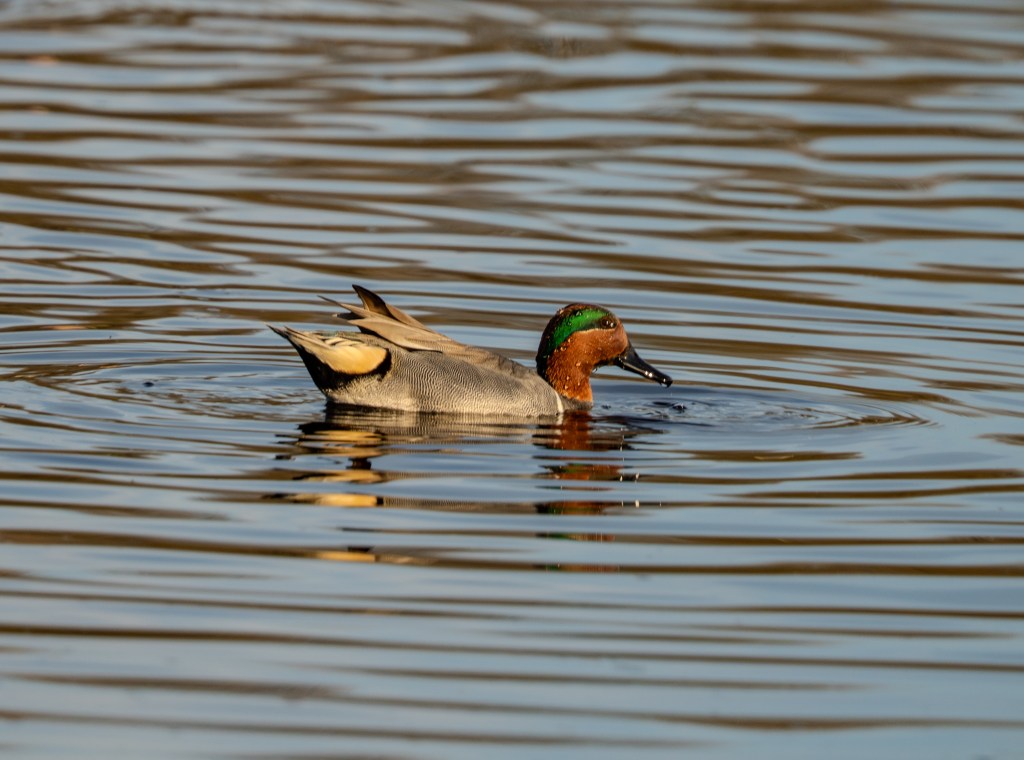
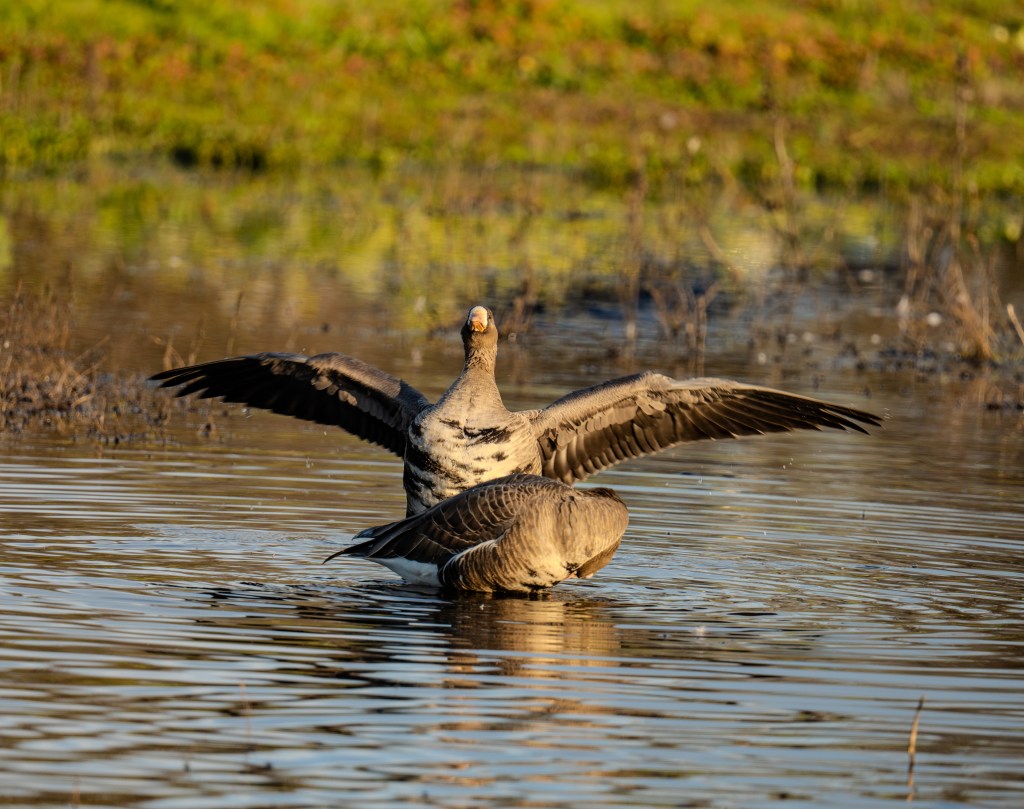
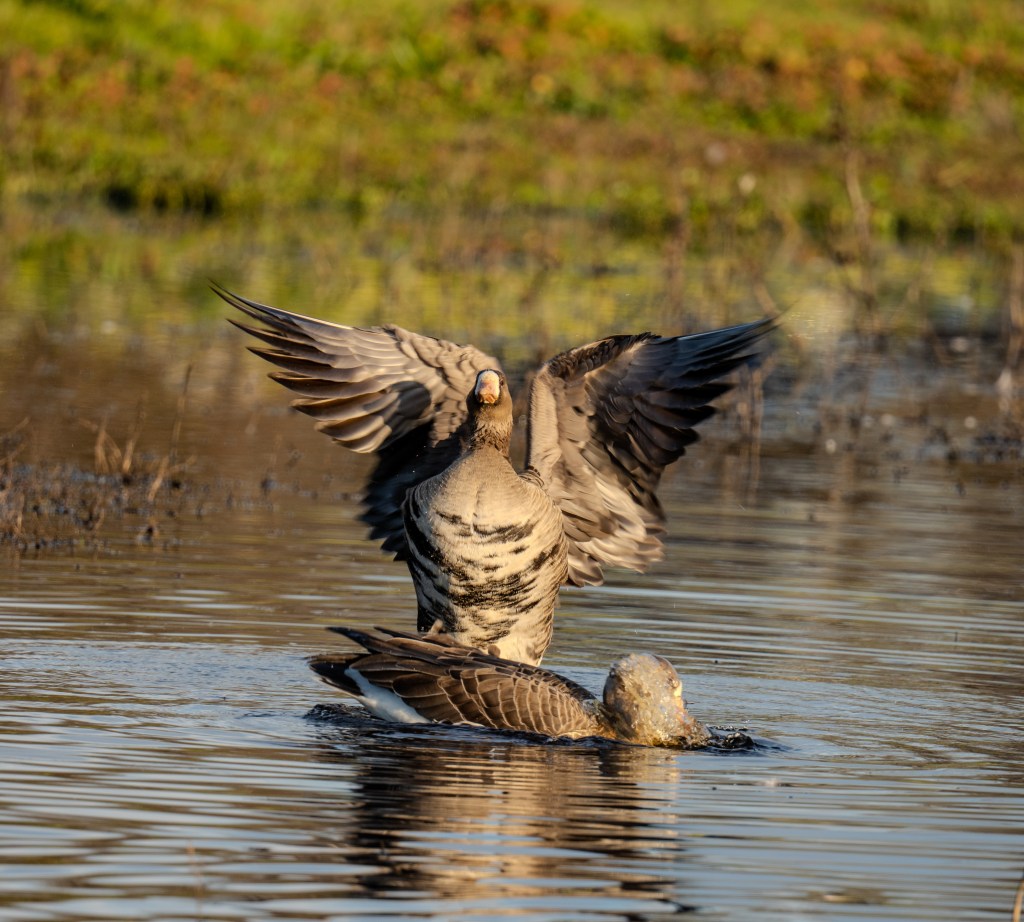
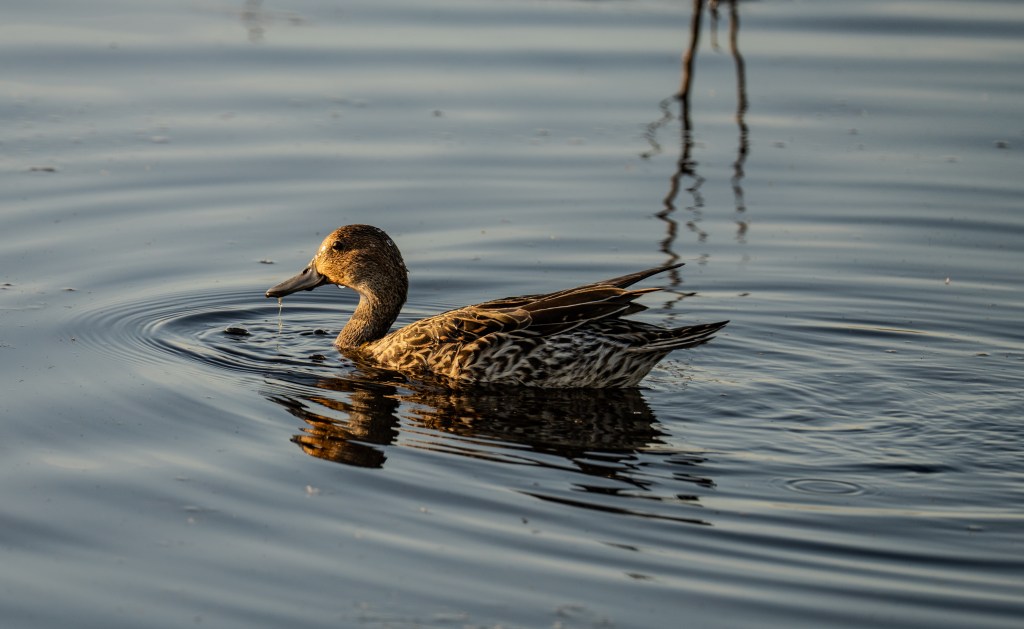
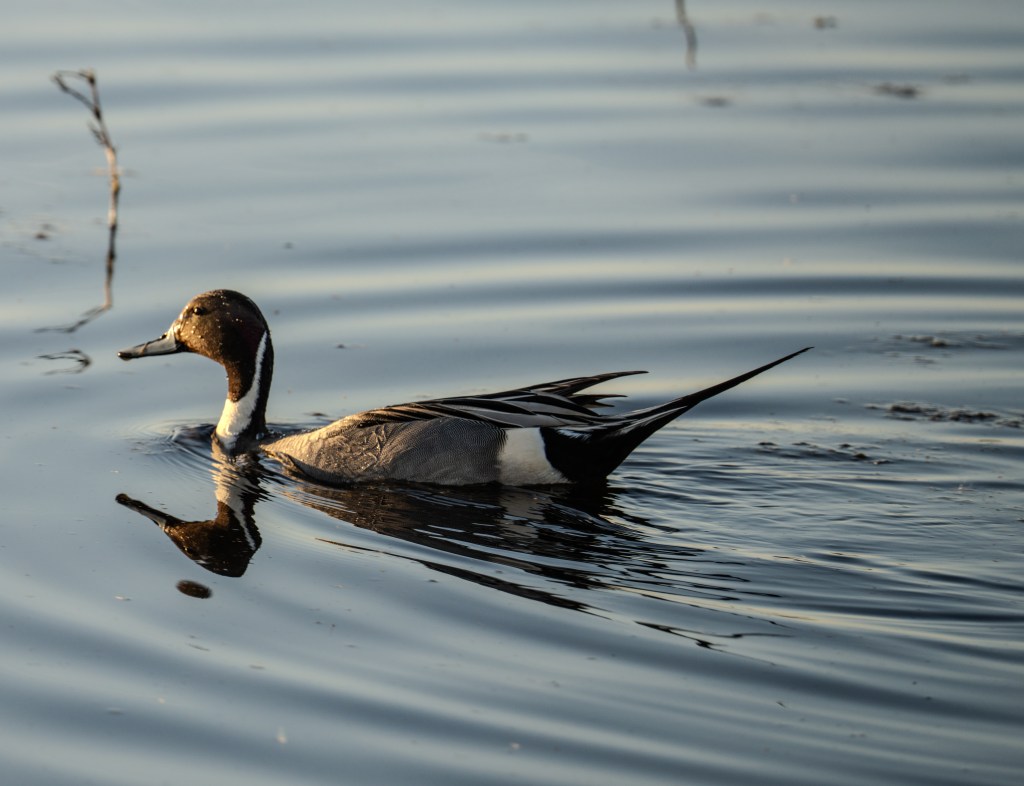
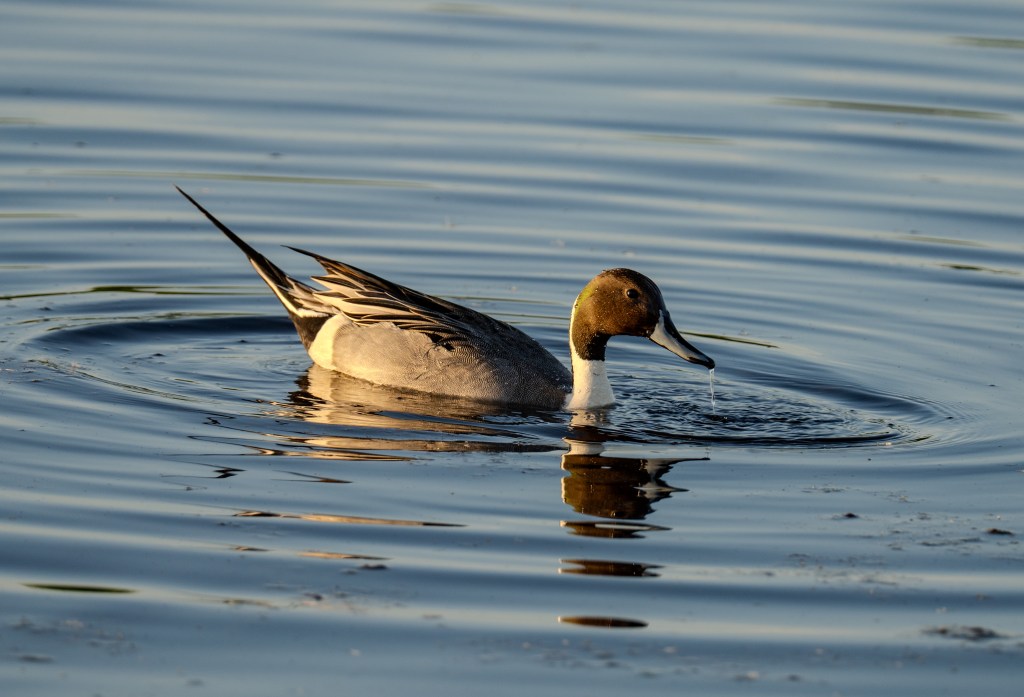
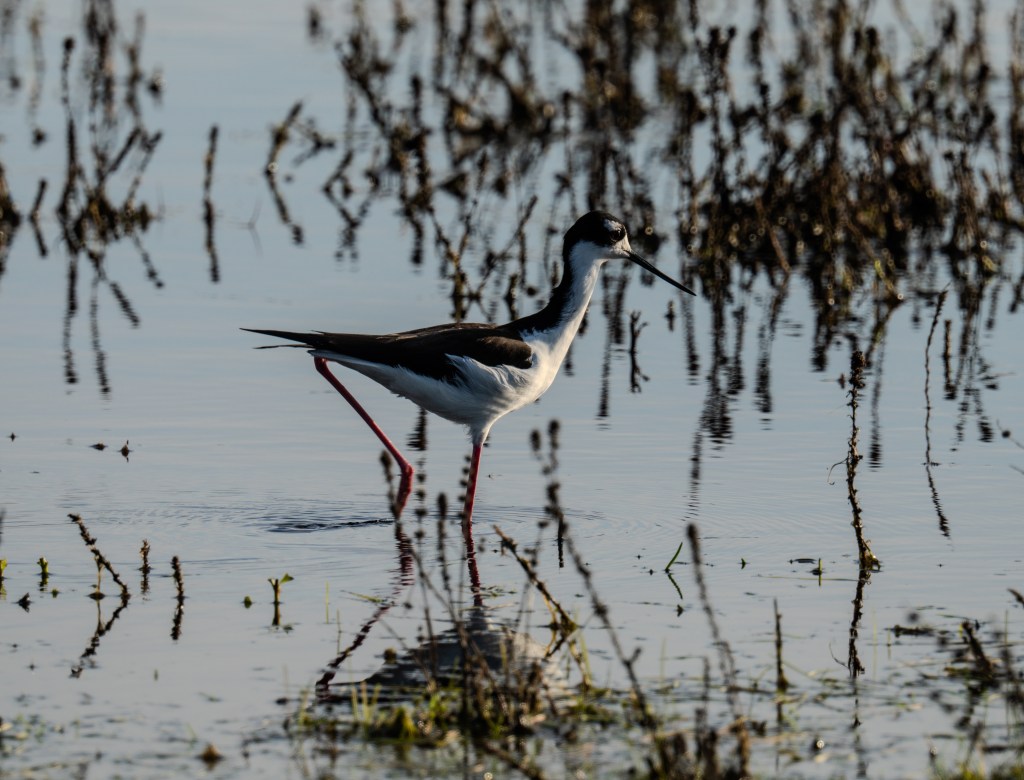
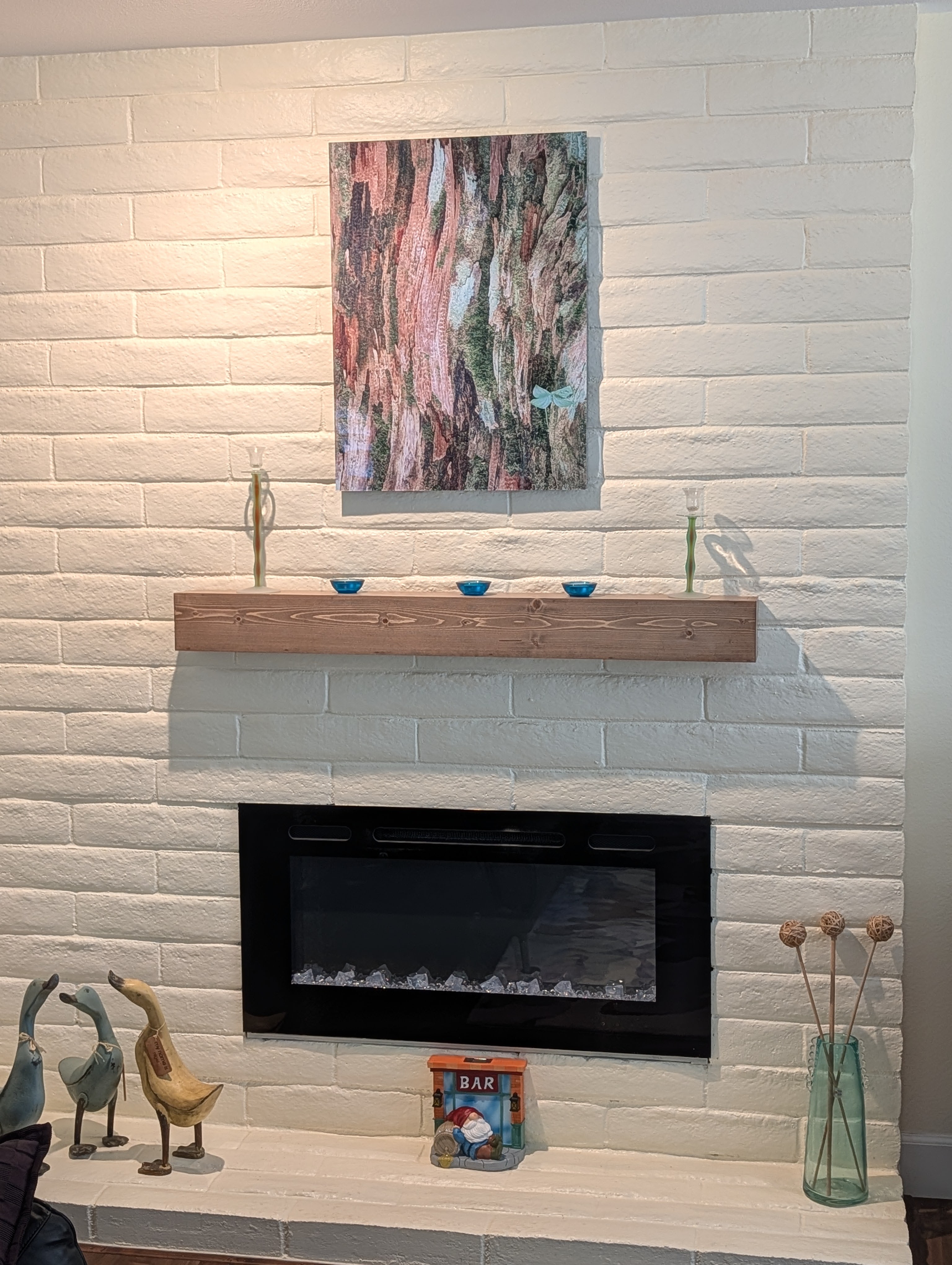
My personal favorites are the Pintail Ducks – pretty much everything is perfect technically, and the level of detail is awesome. Something to do with that 55 megapixel sensor. The higher shutter speed also caught drops and streams of water mid-air. One or two of these will make for nice additions to my growing gallery of acrylic prints. I’ll make room for them somewhere.
As for getting into serious birding….nah. I’d have to start remembering all the names, something I’m not very good at. (Fortunately, Google does a good job of identifying them). I’m more of a generalist when it comes to nature and landscape photography. No specialities, just whatever shows up in the viewfinder.
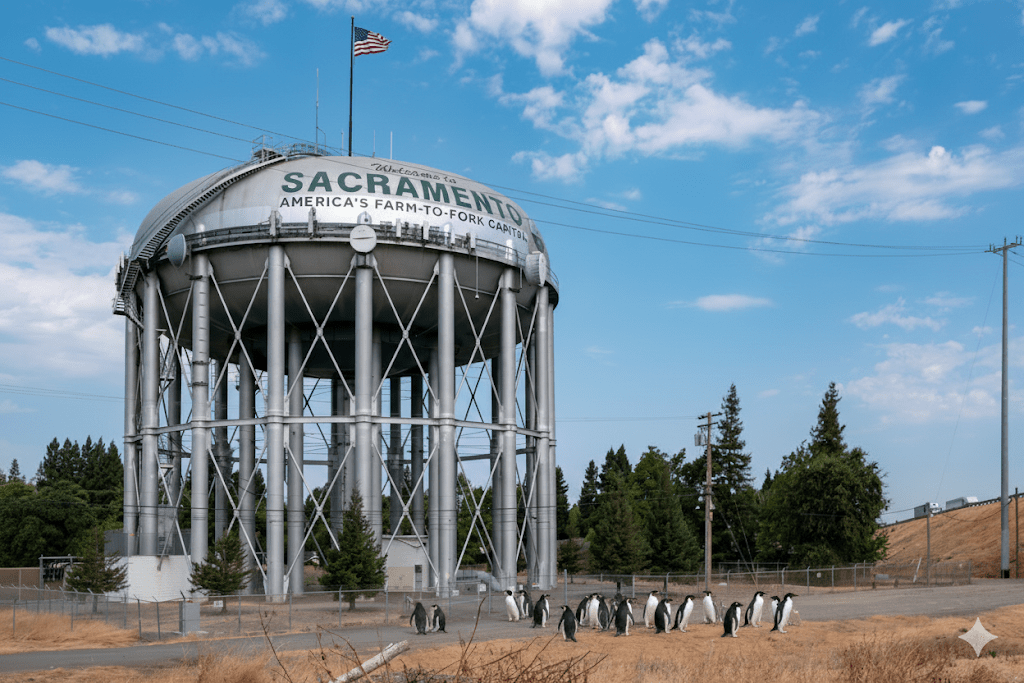
Thought for the day: I am spending a small fortune on these adventures, traveling around the world, taking thousands of photographs, most of which I wind up deleting. Then I go to a small nature reserve 50 minutes from my house, and get all kinds of great images. If only there were penguins in the Central Valley, I might not travel as much. But wait…there they are!
No more posts until I’m back from petting the Grey Whales in Baja.
Peace
 The Traveling Widower