January 13th/14th, 2026
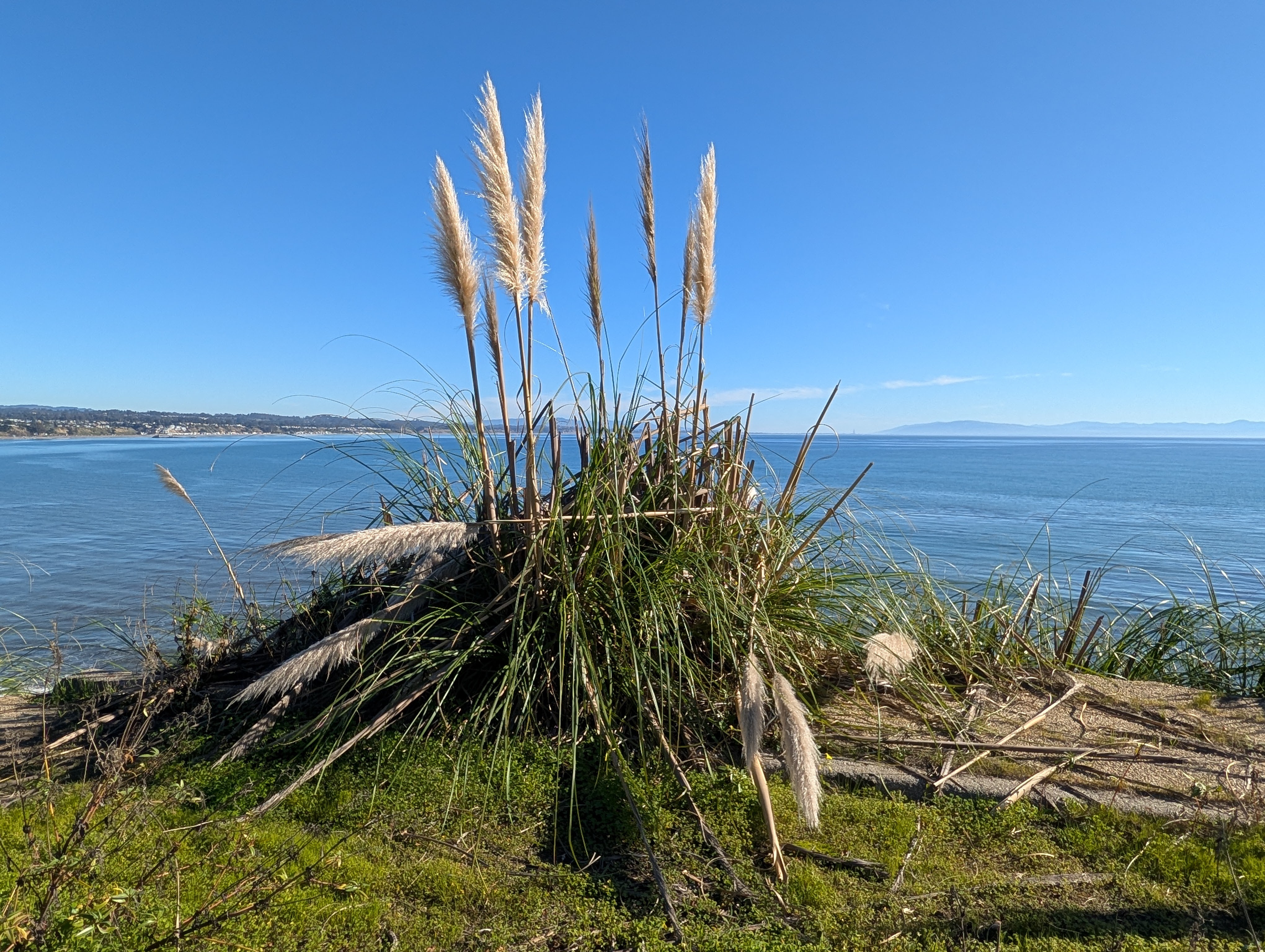
After a full month of boredom at home, I really needed to get out of Dodge for a while. I had considered going to Yosemite, but decided to head to the coast to see the Elephant Seals at Ano Nuevo State Park. It was snowing quite a bit in the mountains, and I just did not feel like dealing with a long drive in winter conditions. I have chains for the Subaru, but really don’t want to use them. Wimp.
I had visited Ano Nuevo many years ago, when we lived in the South Bay – I remembered the long walk to the beach, and wandering around the huge seals which were sprawled around the trails. I did recall that it was a complete waste of time in terms of photography, but that it was amazing seeing the huge seals up close. So, I went ahead and booked two guided walks, and try to figure out a better way to photograph these weird beasts. And while I’m in the neighborhood, visit some friends I have not seen in a while.
It was a relatively short, 30 mile drive from the hotel I stay at in Scotts Valley to the park, along an incredibly beautiful stretch of US 1 Highway. But then again, almost all of US 1 is beautiful.
The park is open all year long, but access to the beach is restricted during the pup/mating and molting seasons, when there are just too many seals on the beach to allow visitors to wander around unattended. The males are enormous – about the size of a mid-sized SUV. You just don’t want to have tourists flattened by one of these behemoths. So you have to reserve a guided, docent tour to get down to see the seals.
The guided tour is about 2.5 hours, and requires 6 miles round trip of walking, mostly on graded trails. It’s a pleasant walk down to the shelter where the tour starts.
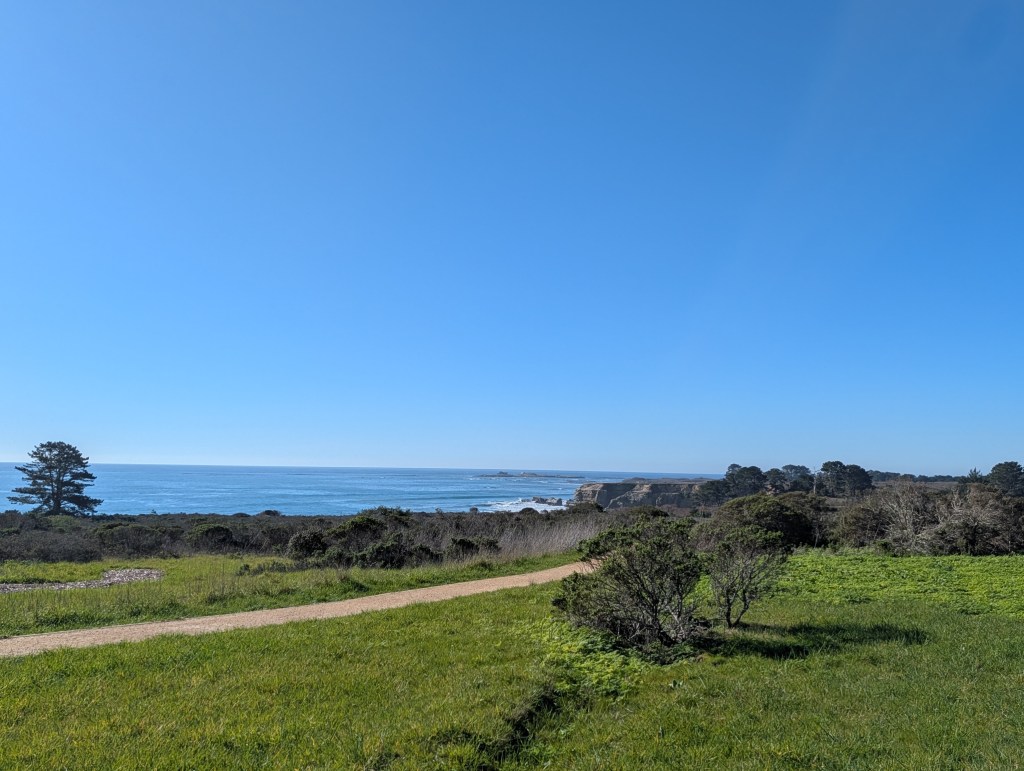
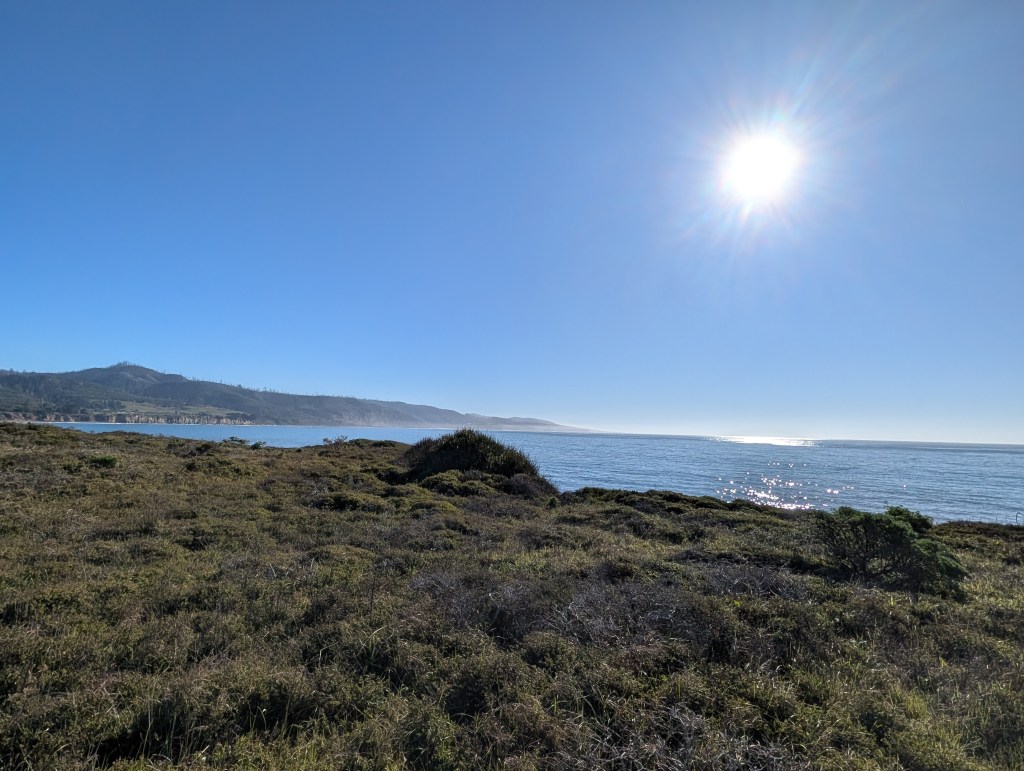
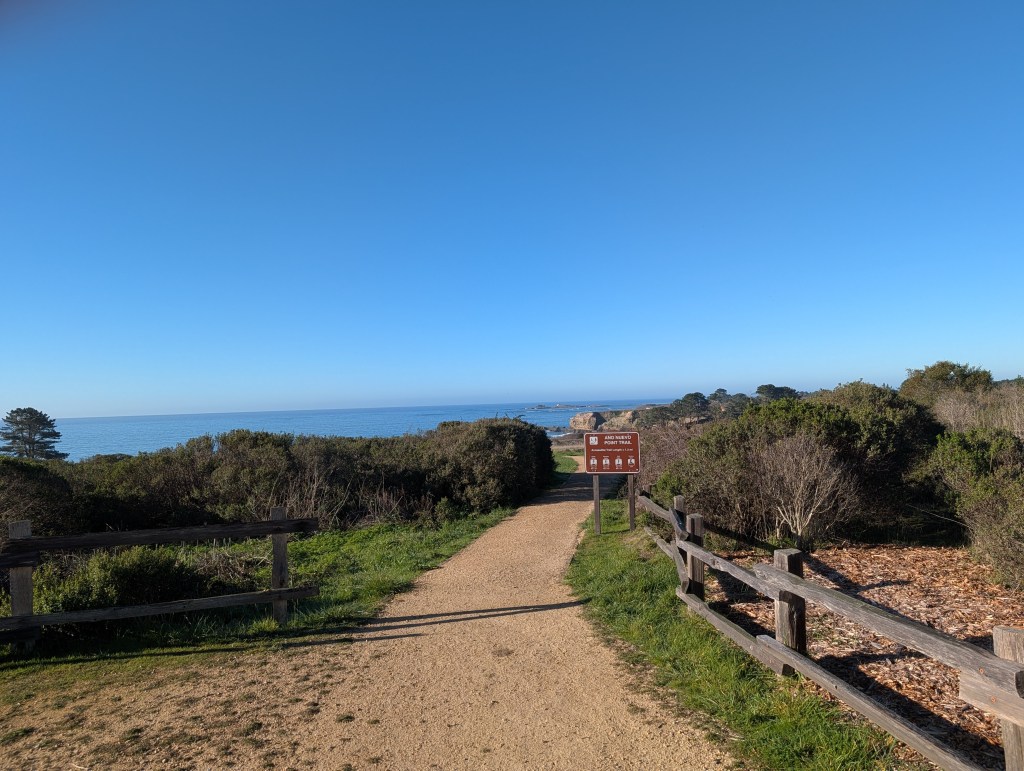
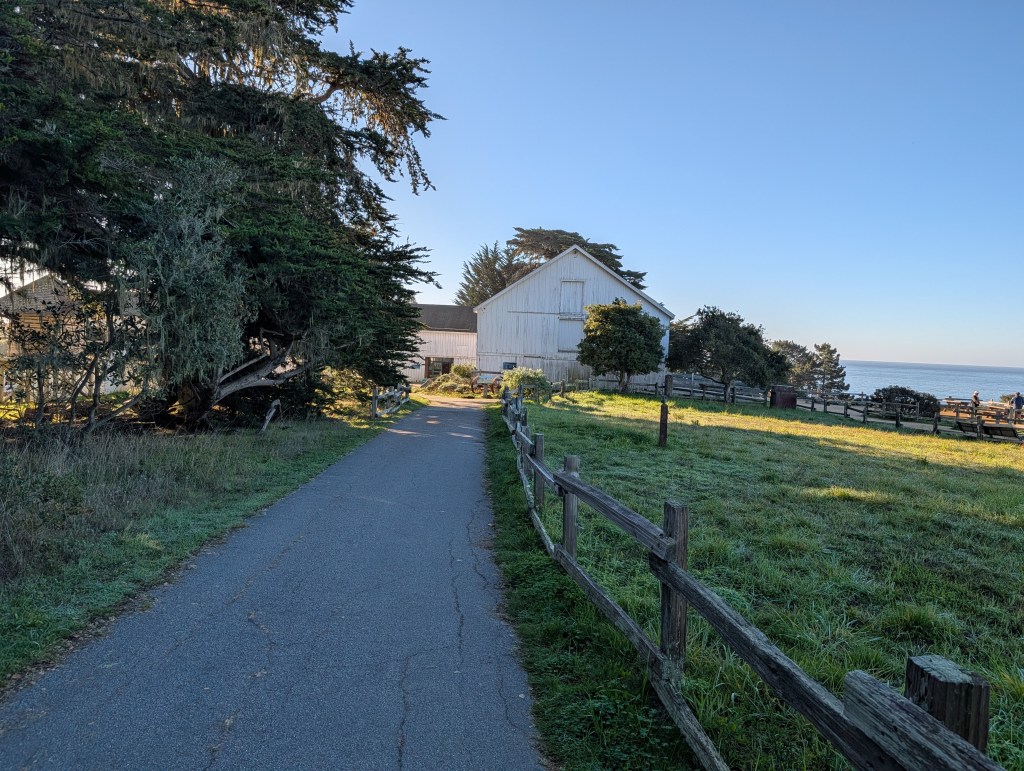
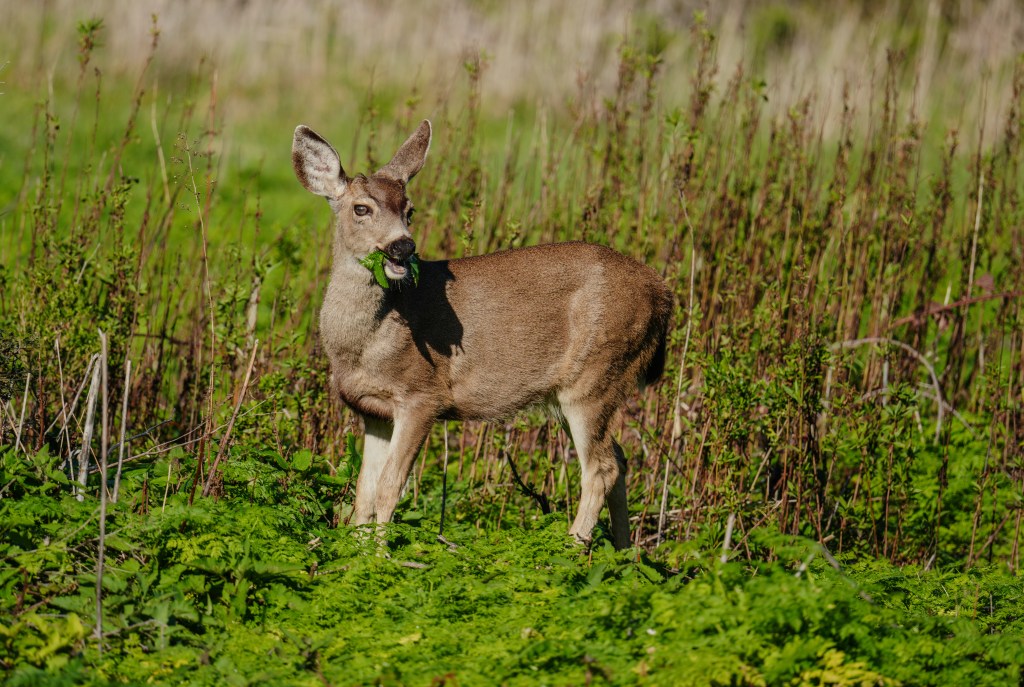
And sometimes if you are lucky, you might see some other creature other than seals.
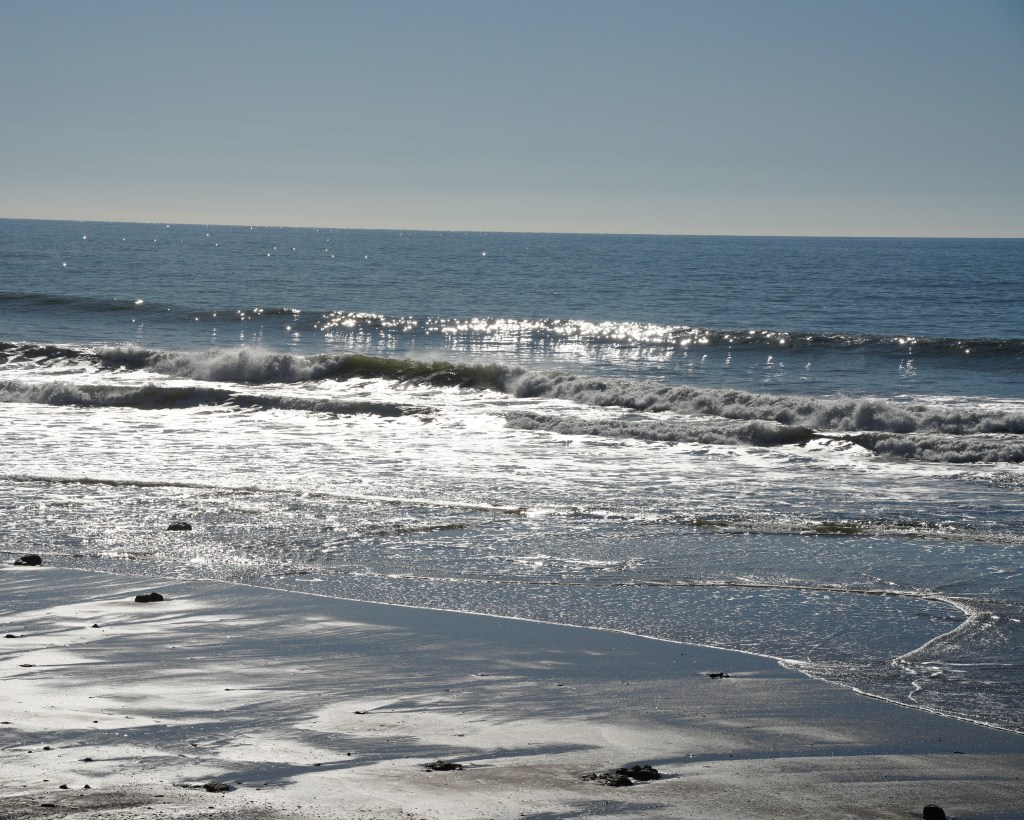
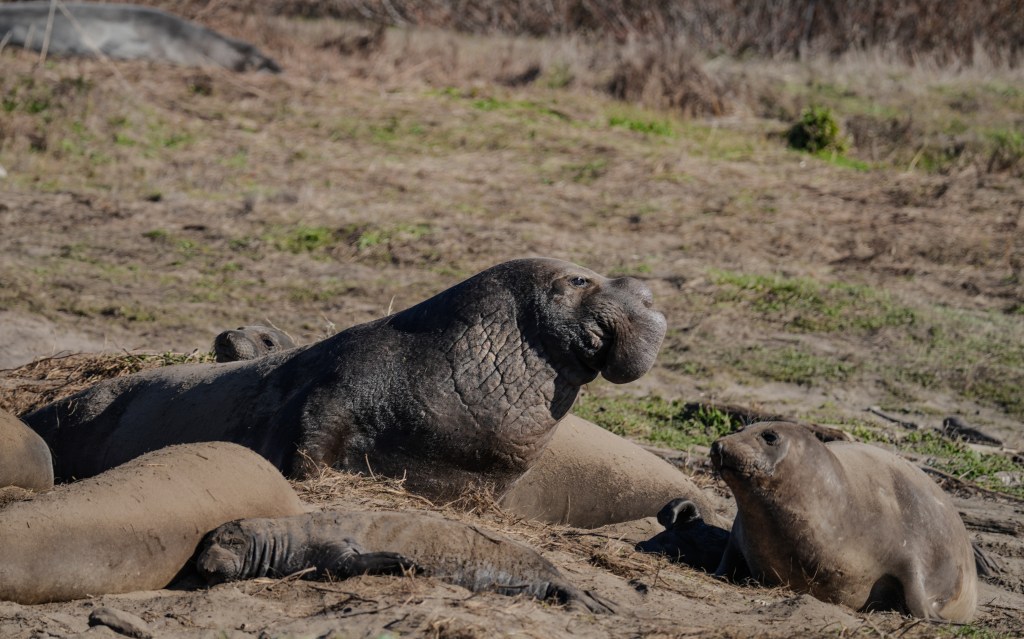
The docents take you the last 2 miles along the beach trails, which get you up close and personal with the seals. It’s pretty amazing. There are hundreds of male, female and newborns pups scattered around the beach, with some of the huge alpha males hauled up on the trails. It’s quite noisy with the big males trumpeting, and the pups all shrieking to be fed. From a photography viewpoint, it’s pure chaos. The seals are pretty much sand colored, except for the black pups, and they cover themselves with sand to maintain their temperature when the sun is shining. So most of what you see are masses of large, tubular, sand colored bodies lying on sand, and throwing sand on themselves.
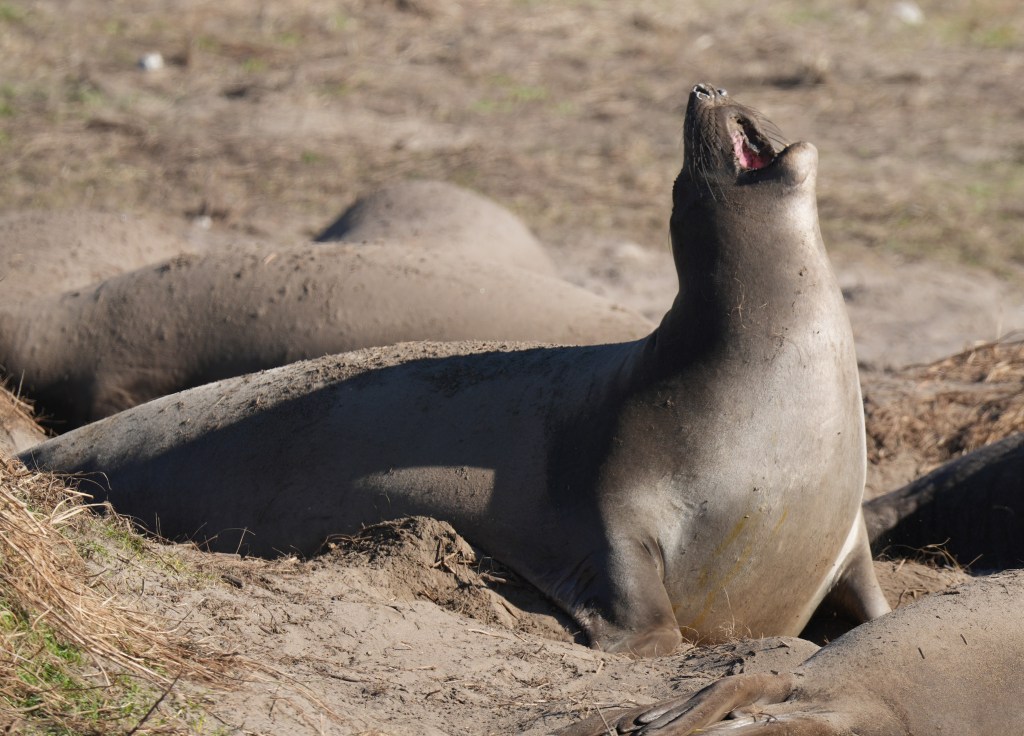
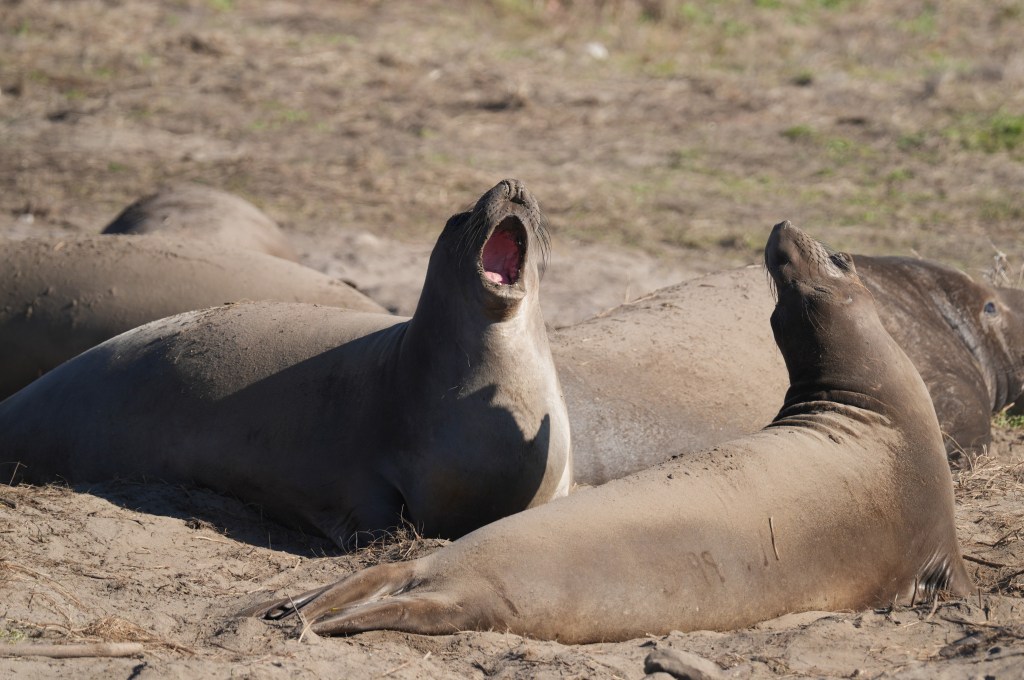
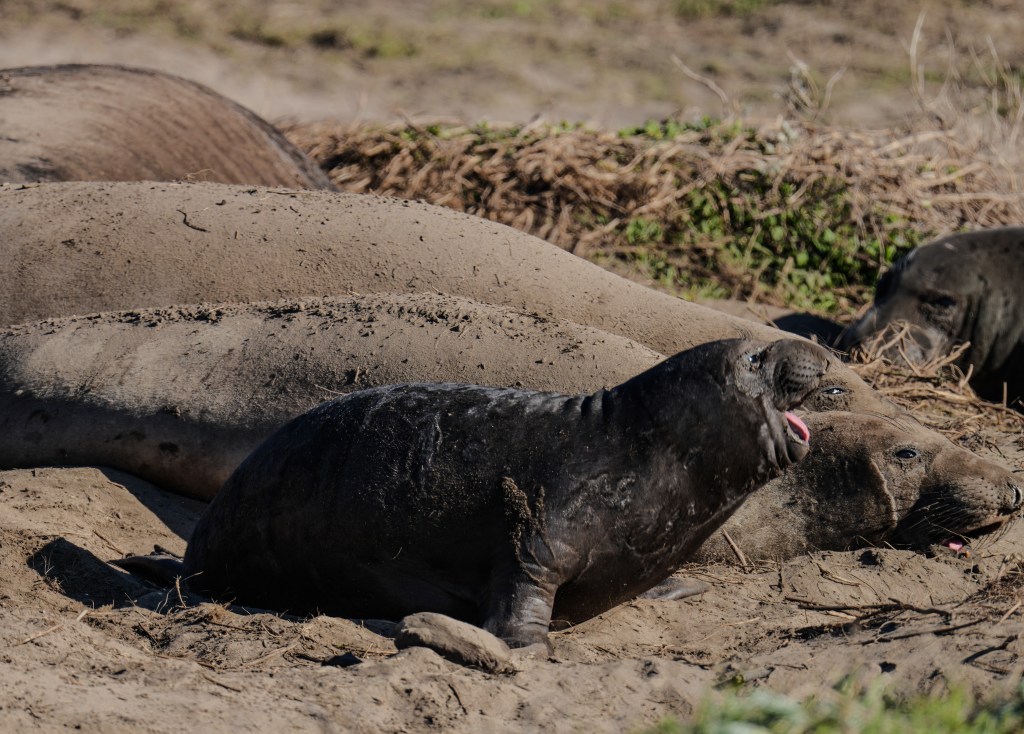
Once in a while, the weird males prop themselves up and start trumpeting, and then flop back onto the sand. If you are really lucky, you get to see the big males fighting – sort of looks like dun colored sumo wrestlers, bashing against each other.
If you are more than just a casual photographer, this mess of seals and sand is a real challenge, and if it’s a beautiful sunny day, the lighting will be awful. As it was the first day. Even in the morning, the glare from the ocean is intense.
The seals pretty much do nothing most of the time – the pups move around a bit, and the adults throw sand up every now and then. Not exactly photogenic or very exciting. I did learn my lesson from my last experience to:
1 – Use a tripod/monopod
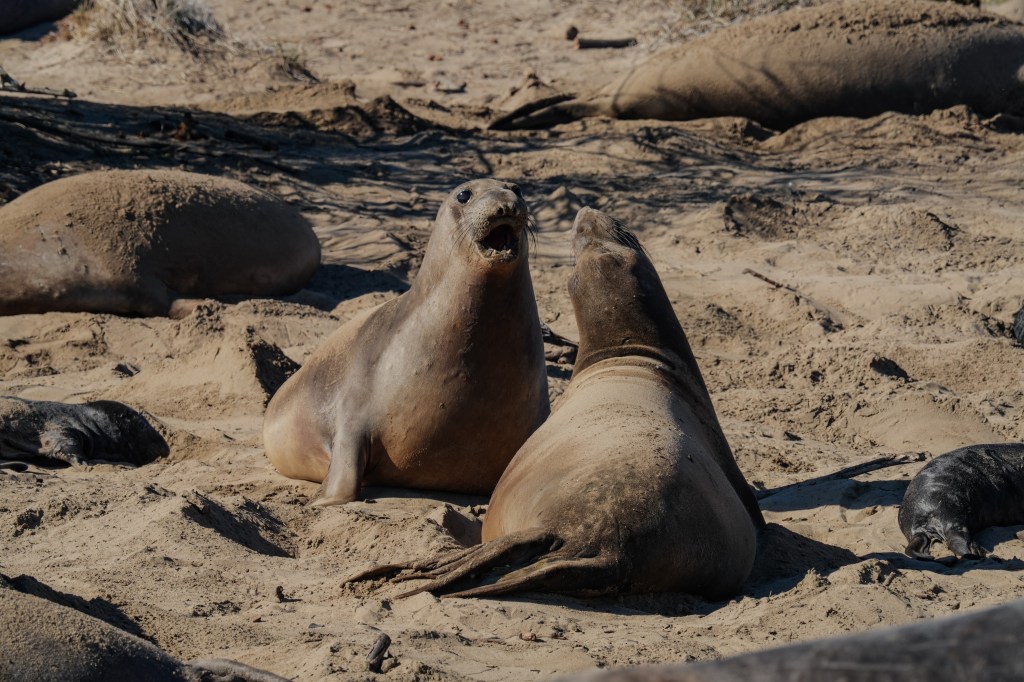
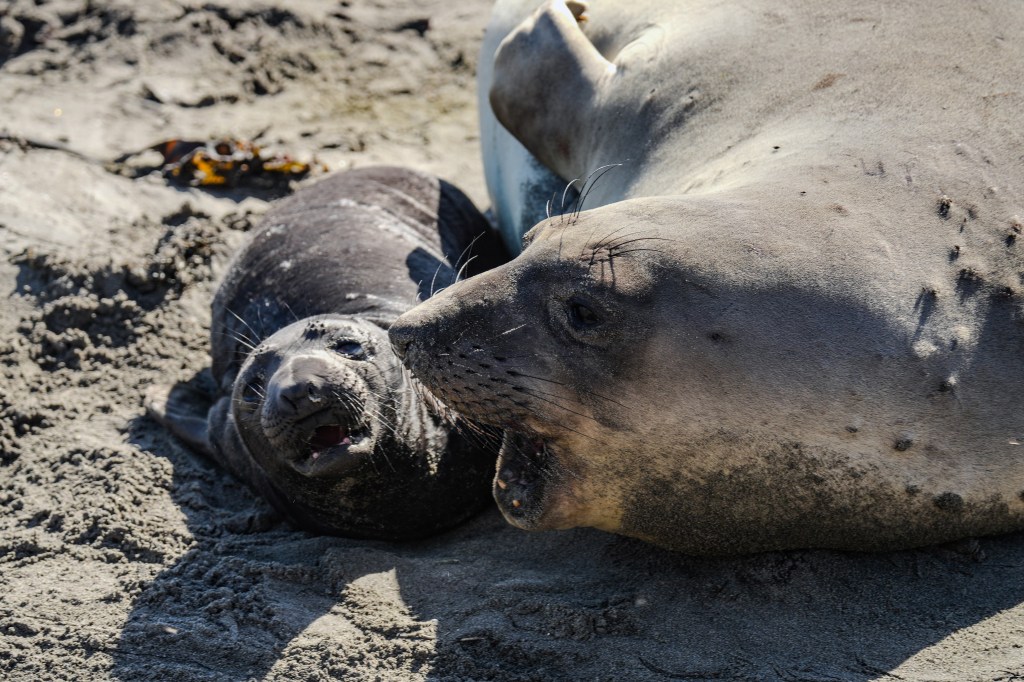
2 – Look for interactions between the females and juvenile males – they are all more active then the huge alpha males. The females get into arguments over the pups, which make for interesting action shots.
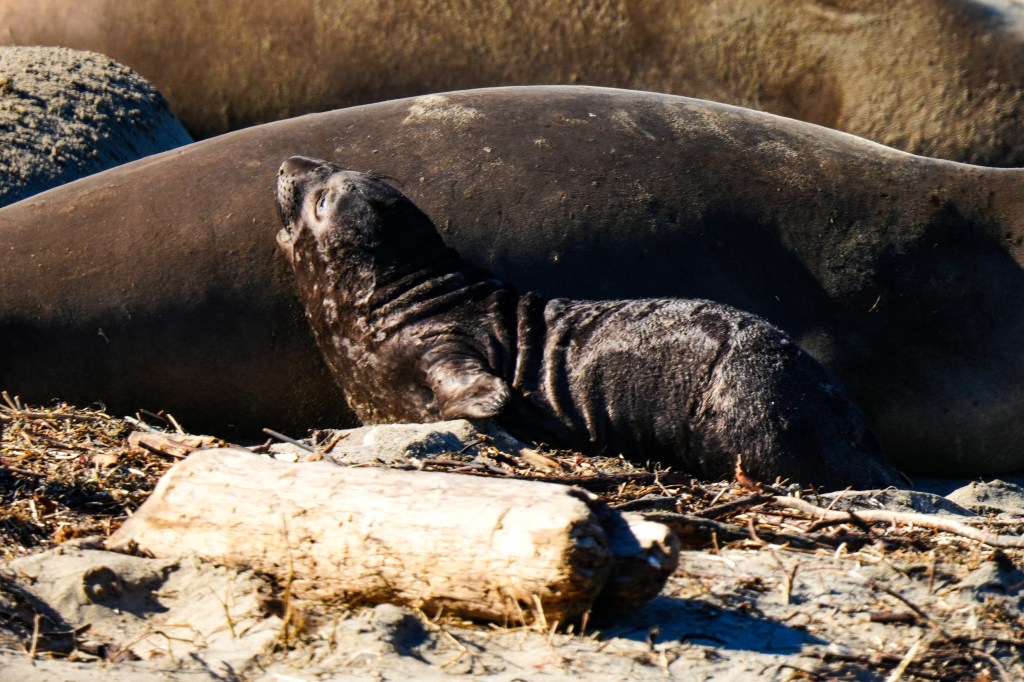
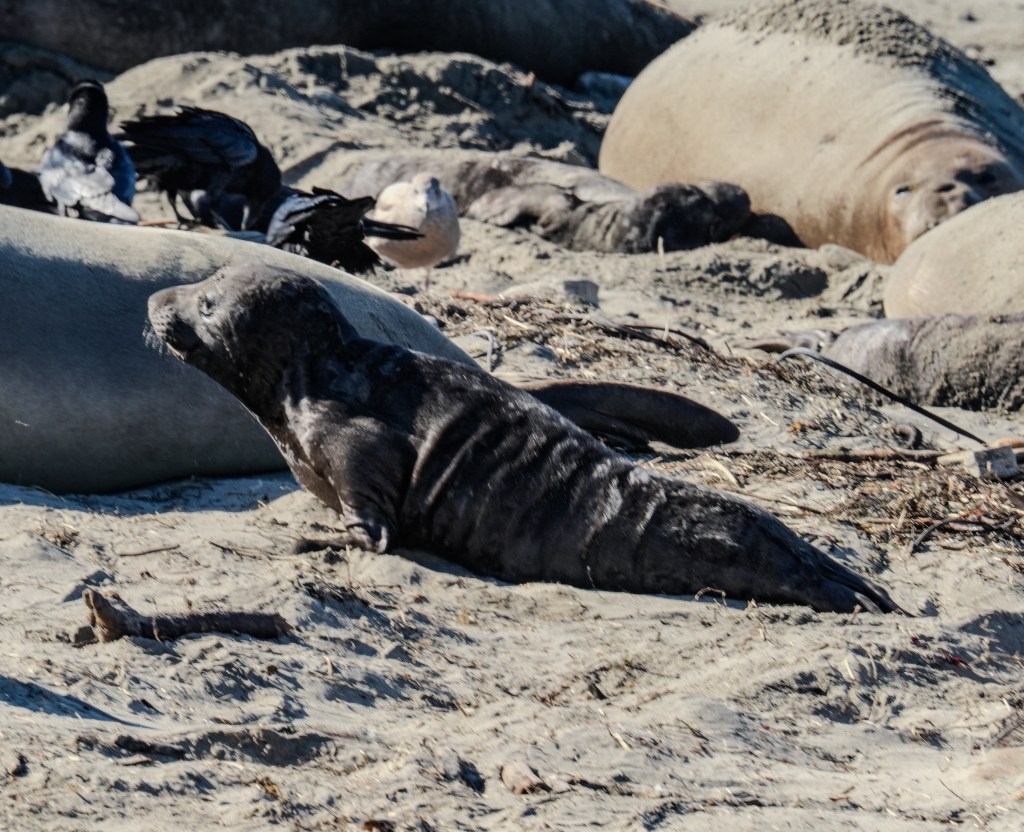
3 – Focus on the pups – the newborns are tiny, and scattered all over the place. Most of them are sheltered next to their mothers, so you can get interactions between them.
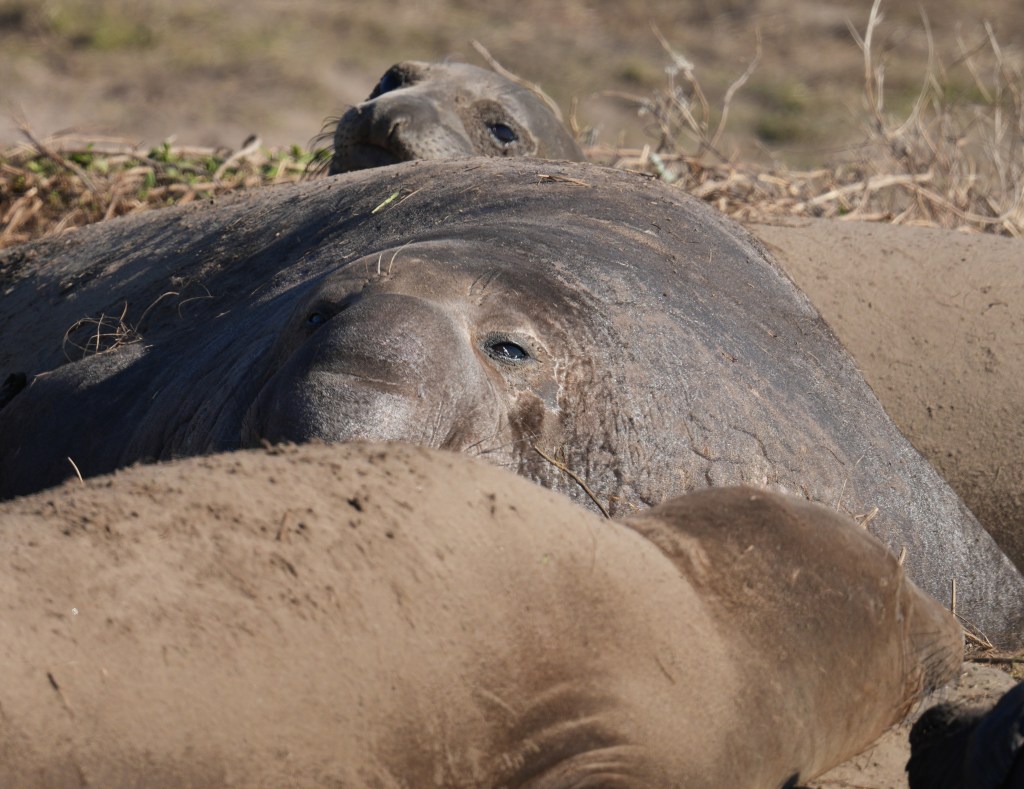
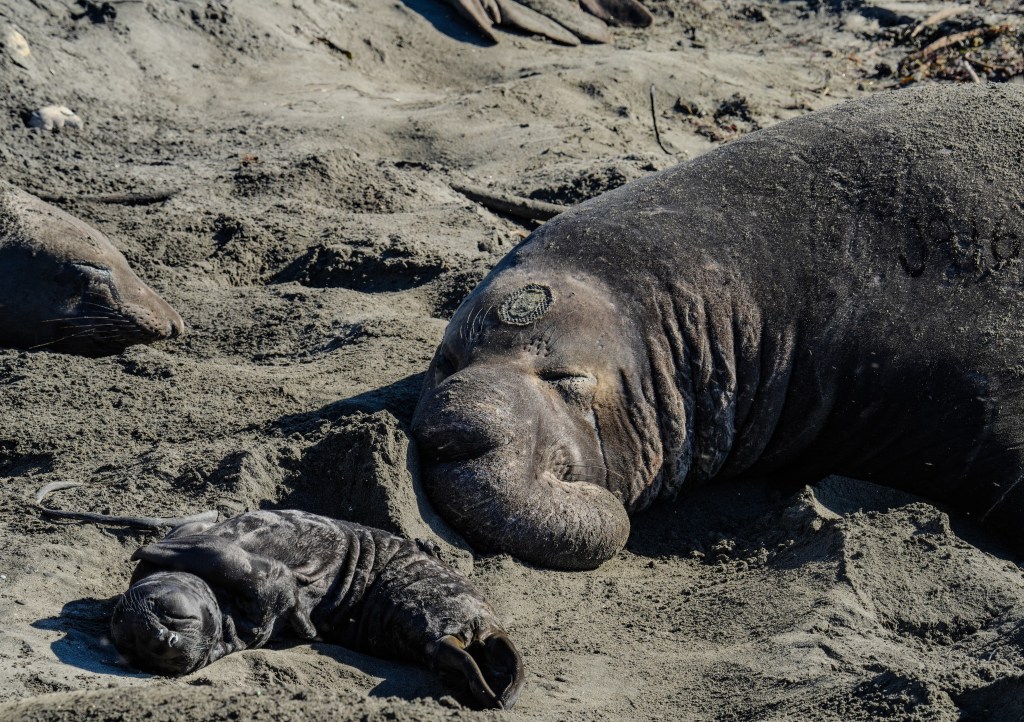
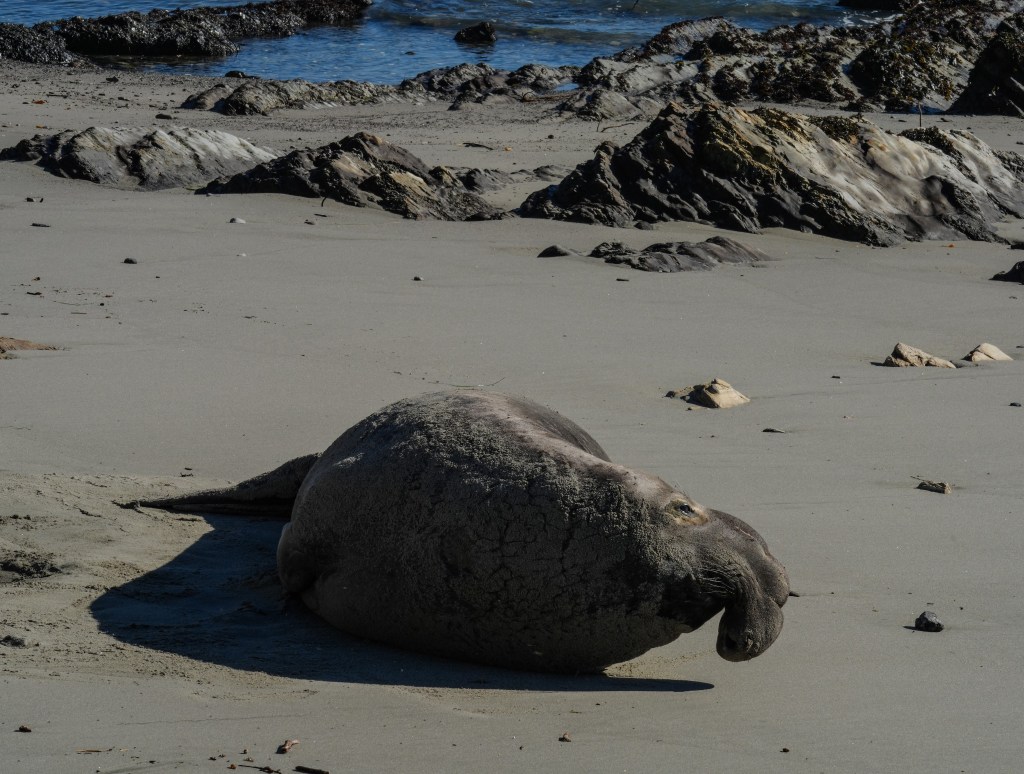
4 – Head shots of the males are interesting if you can get their eyes open. On the other hand, blob shots are not interesting.
And my plan to experiment on day one, and make some approach changes on day two worked out well. Granted, the seals were more active on Wednesday, but I also changed some camera settings, and set up the monopod before we got to the viewing points on the trail. I have spent some time curating some of the images with Adobe Lightroom, mostly just cropping and changing exposure setting. Here are some of the results (double-click on an image to expand it):


And a few more…
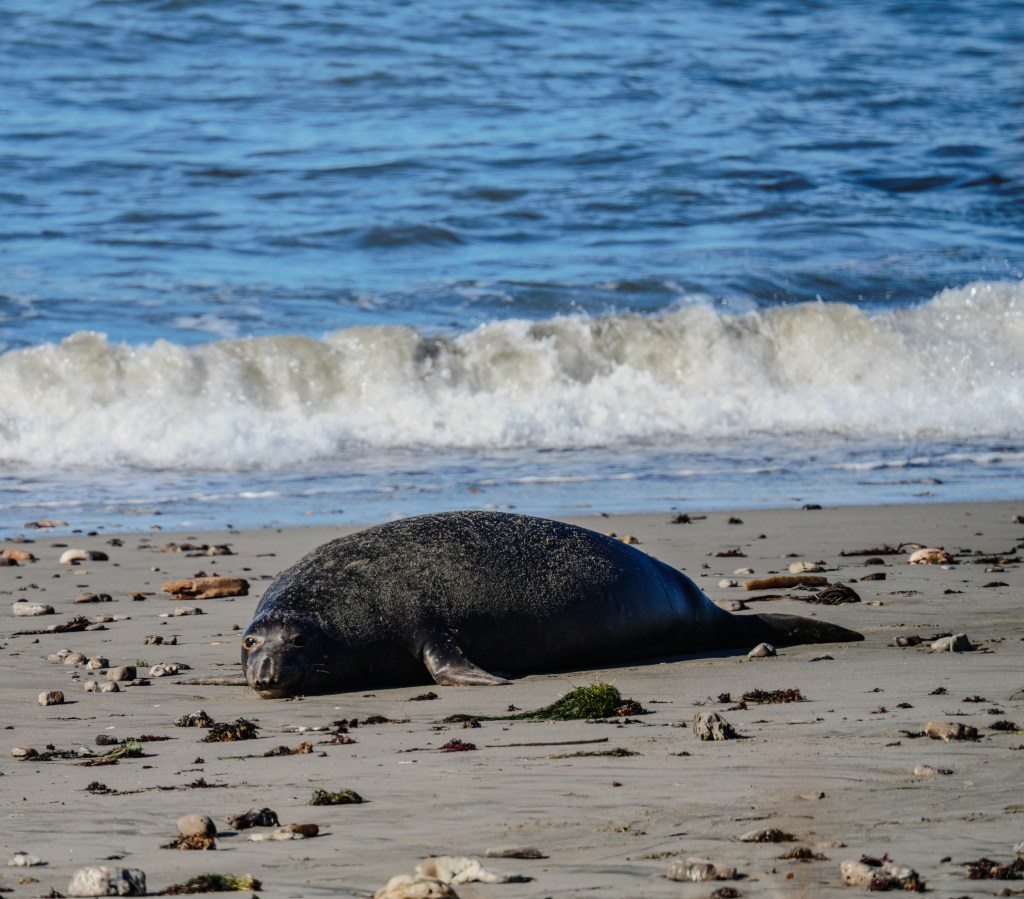


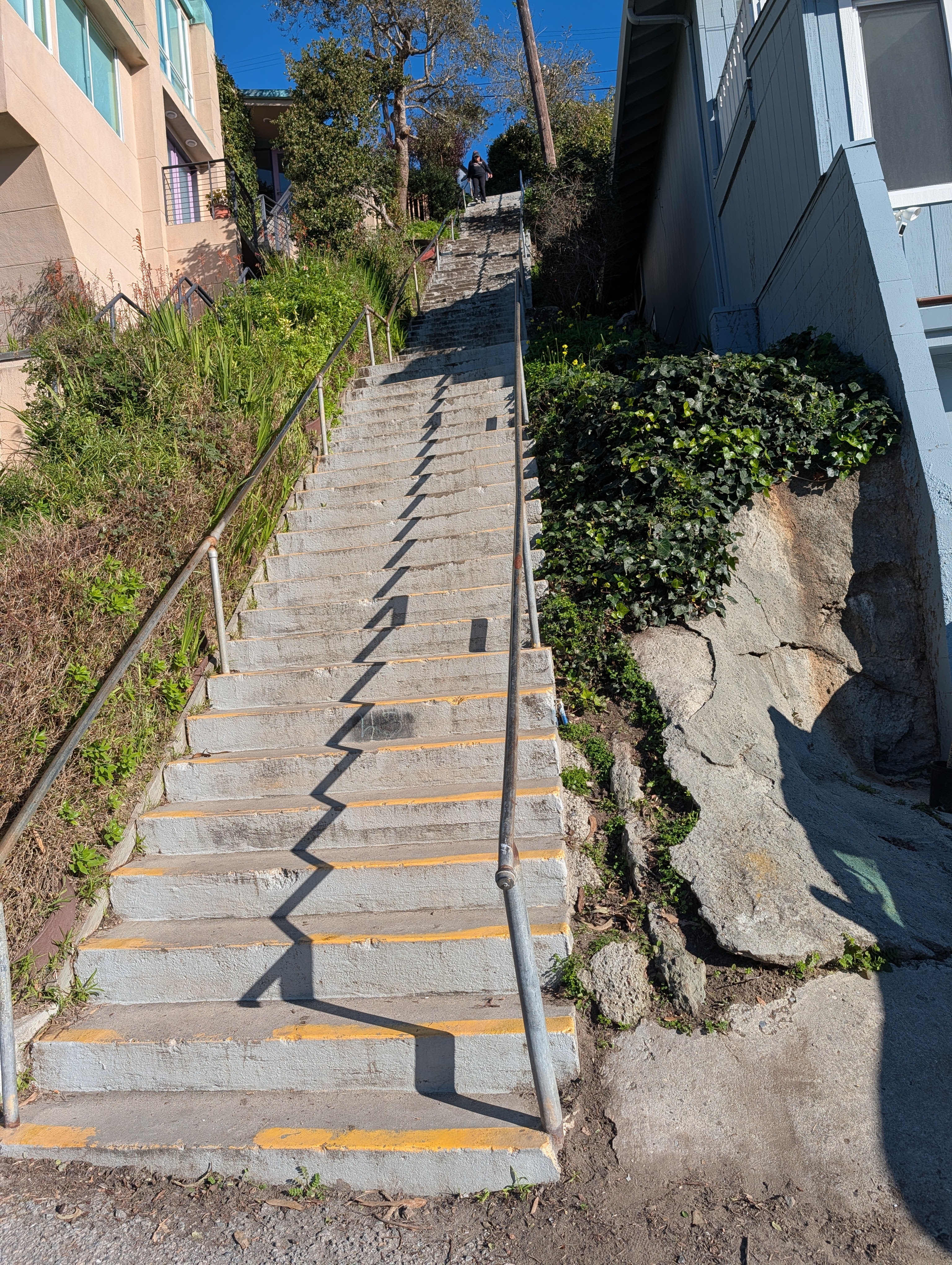
After the tour on Tuesday, I decided to visit Capitola, hoping to get a few shots on the beach, but more importantly, visit the ice cream shop (Polar Bear Ice Cream) in the village. I was pretty tired from the hike, but I always enjoy wandering along the beach there. But…tragedy. The ice cream shop was closed! They only open on weekends in the winter. I was really bummed. I wound up heading back up to the car, and stopped at a Diary Queen instead. A Blizzard was not really what I wanted, but it tasted pretty good. And I did get to climb some stairs once again. It has become an obsession.
The second day I was more successful with my post-hike extensions. I stopped at the wonderful gelato shop in Los Gatos. A successful and tasty end to this little adventure.
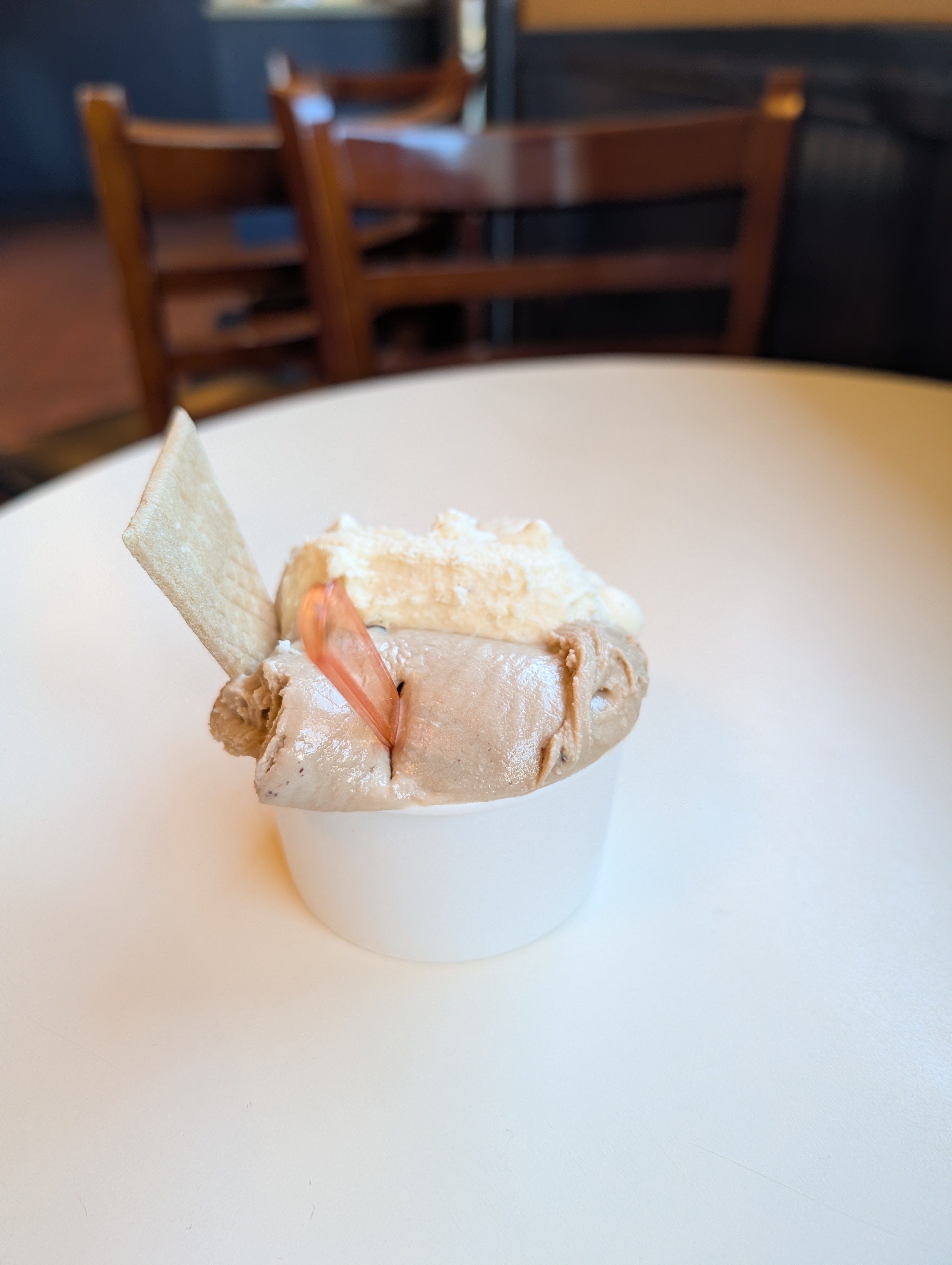
Cappacino chip and vanilla bean from Dolce Spazio Gelato. A million calories and worth every one.
This turned out to be a pleasant, short trip – perfect weather, two nice hikes on the beach, and met with friends I have not seen in a while.
And if you ever wander through the Westfield Valley Fair shopping center in San Jose (went to a restaurant there), you might walk by one of the strangest store displays I’ve ever seen.
There is more strange stuff inside, including a robot which was dozing when I wandered through. Apparently, she does get quite animated.
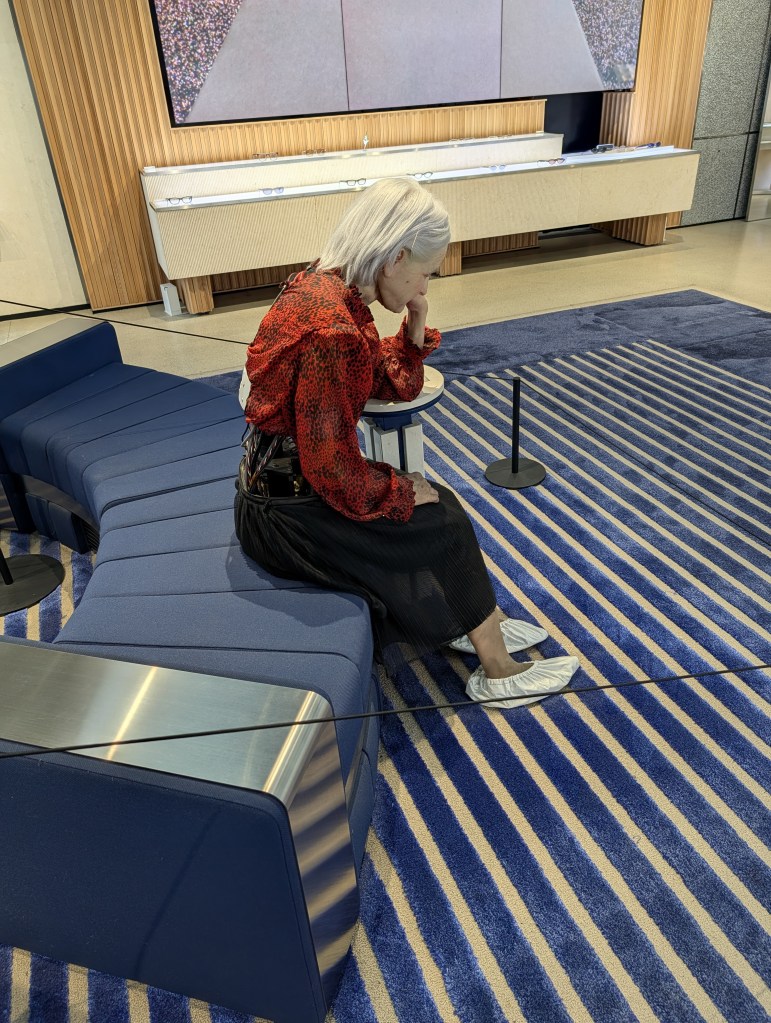
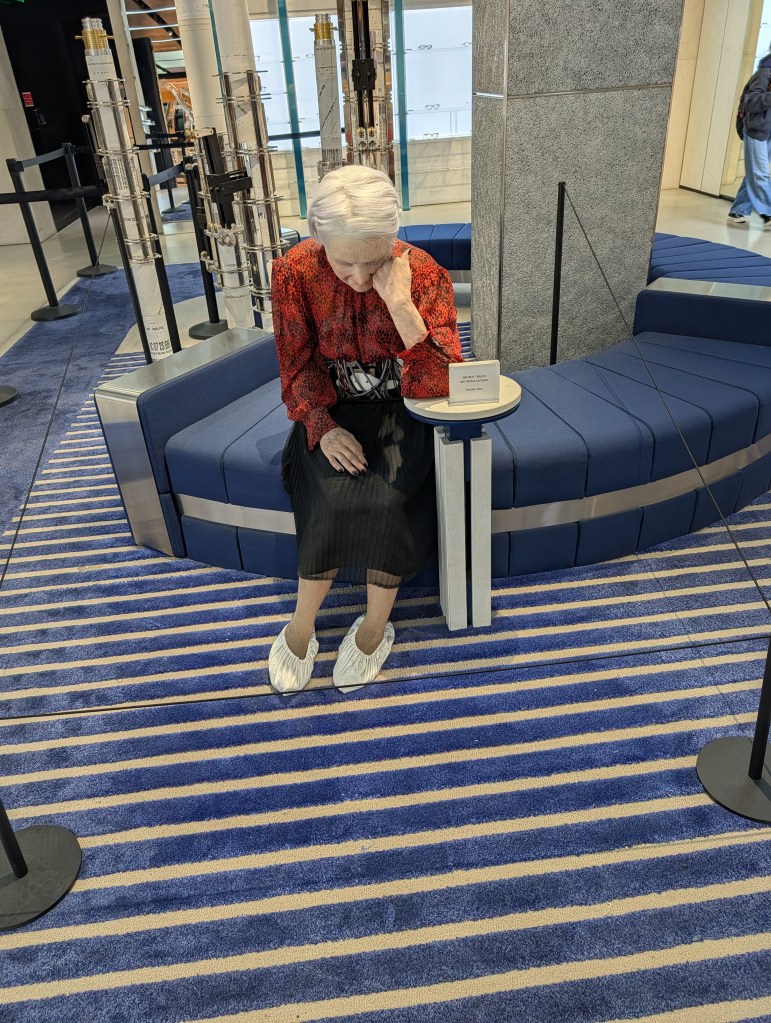
If you are wondering what this place sells….upscale eye glass frames. Sorry, I’ll stick to Warby Parker.


 The Traveling Widower