February 23, 2026
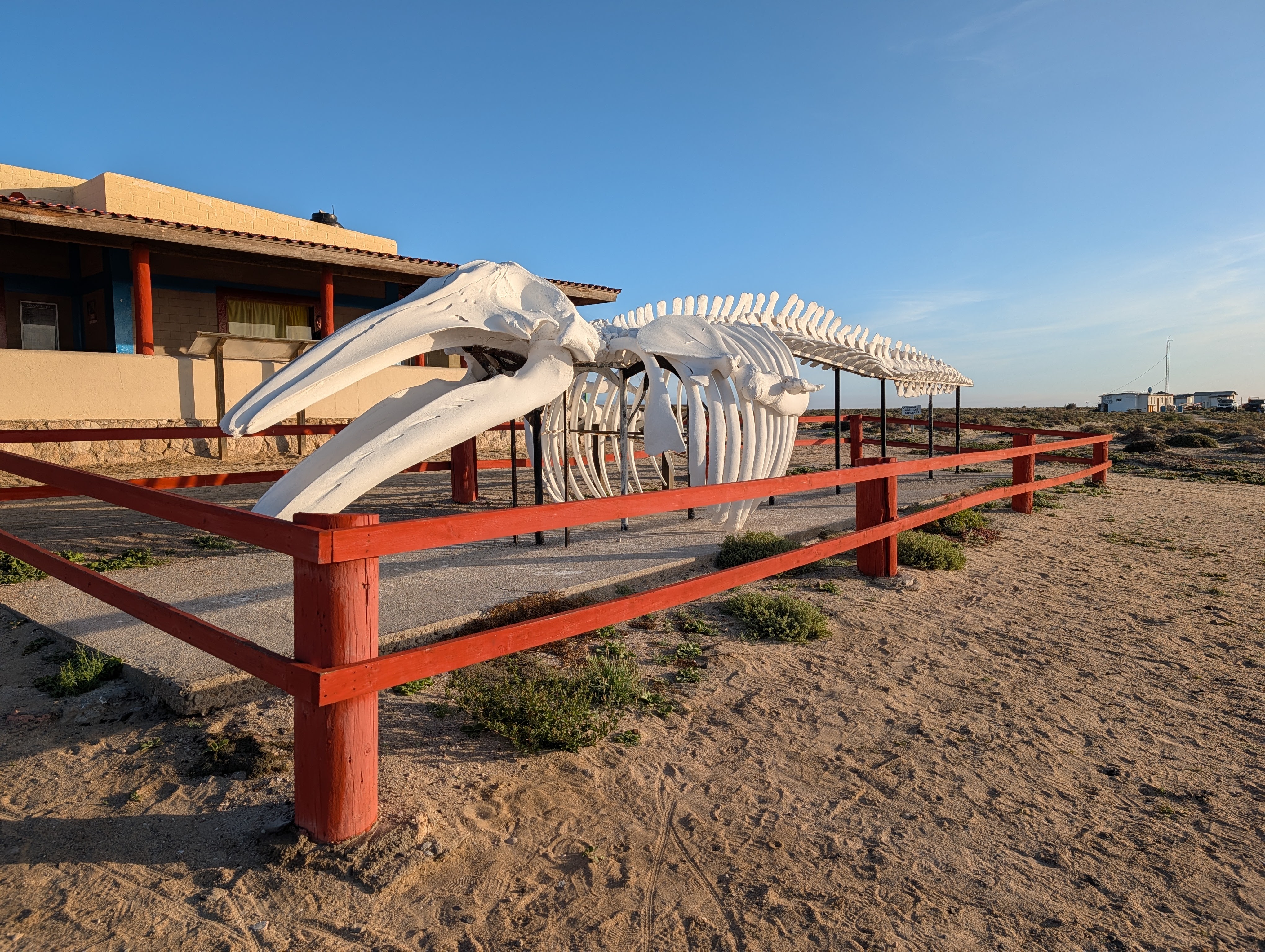
I’ve only been to Mexico two times – the first time was when Jan and I did our first international trip (we did live in Texas for a while….that’s sort of another country) and it was quite an experience. Puerto Vallarta, in 1982. Another strange story to tell some other time. Traveling there by plane was pretty simple. We did not even need a passport. This time of course, a passport was required, and driving requires going through Mexican customs, which I had heard could be a harrowing experience
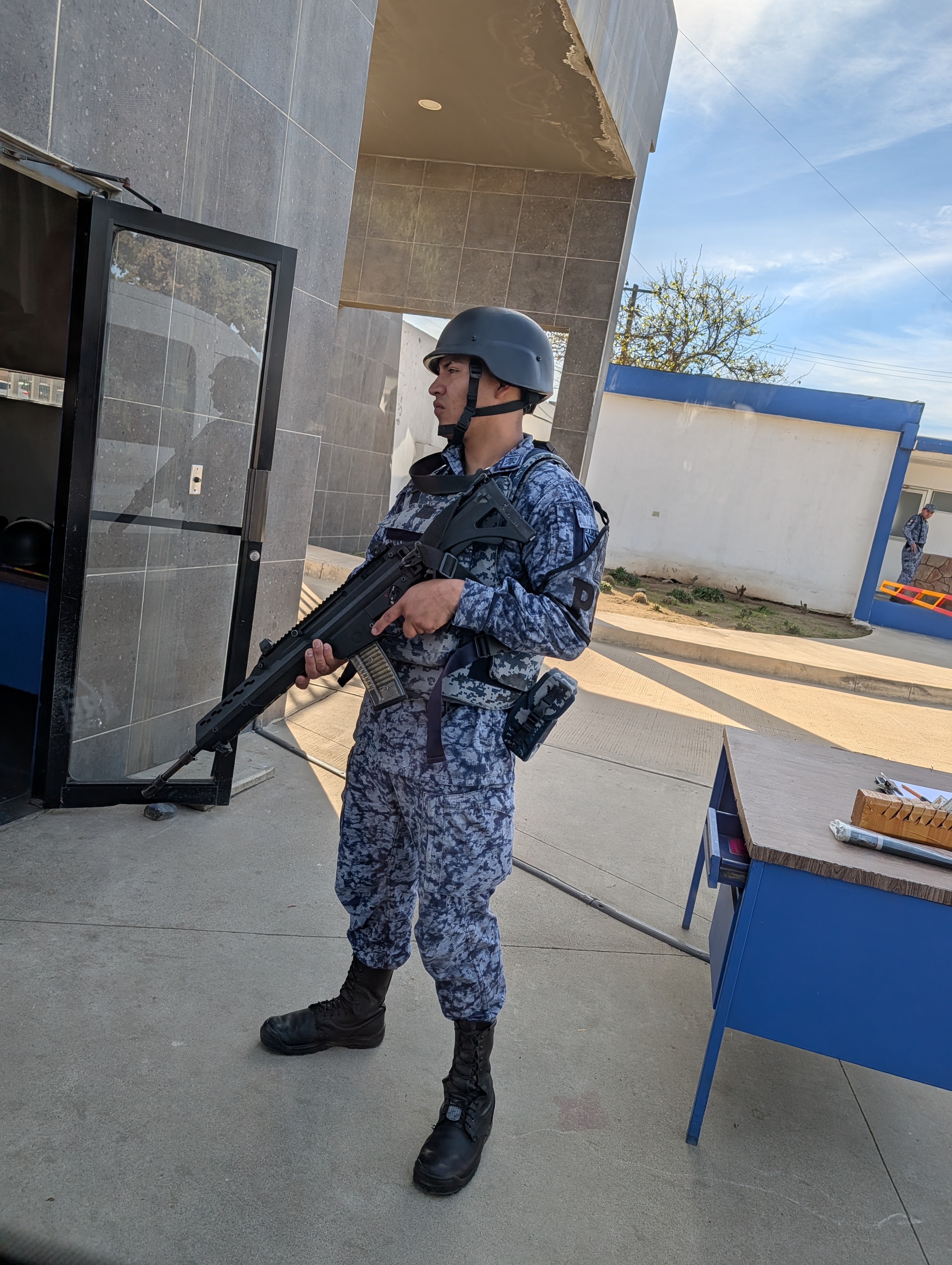
Our group was spread into two vans, and we drove off together for the short trip to the border from the hotel. Thankfully, It was a quick and uneventful experience – there were a few armed soldiers standing around, but all we had to do was have our luggage x-rayed and our passports stamped, and off we went. No different than what they do in any international or domestic airport.
We then headed off to Ensenada, driving along on a really nice highway through parts of Tijuana, and then along the beautiful coast. It was interesting seeing “The Wall”, and then the strange mix of beautiful expensive housing interspersed with more ramshackle types of dwellings close by. I wish I could have taken a few pictures – there was one house we passed that looked like it was made of stacked plywood, three stories high, and had a nice table with chairs up on the very small roof. No railings. Great view, just make sure you don’t lean back.
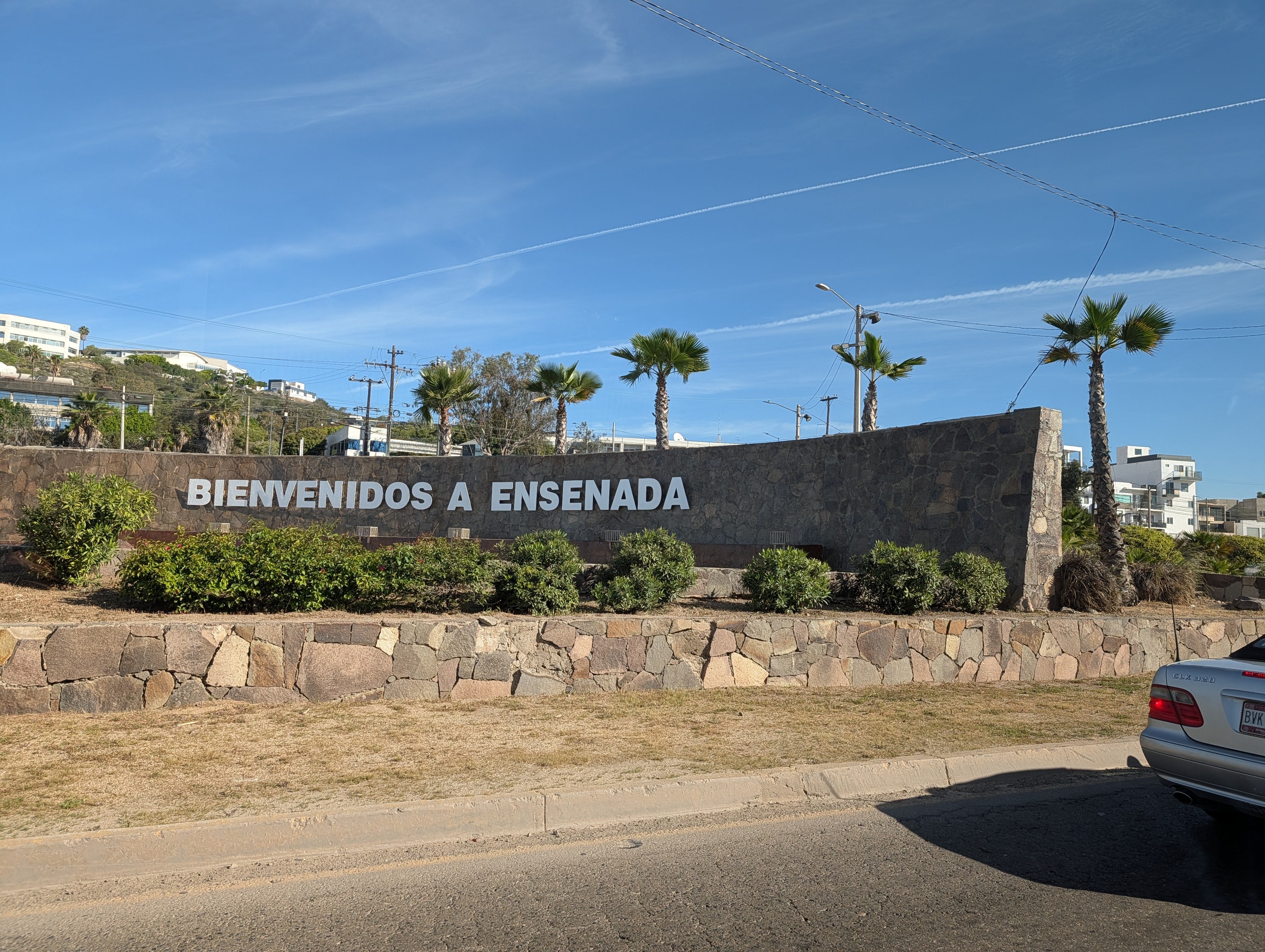
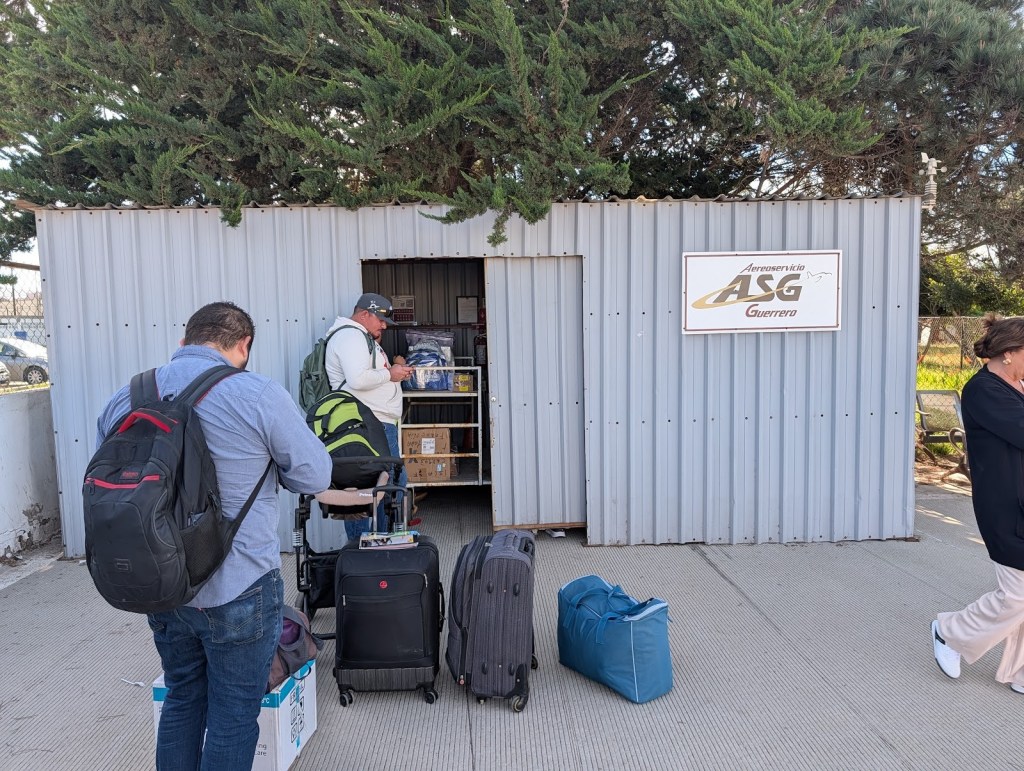
It was a short ride to Ensenada, maybe an hour – really pretty along the coast, and then into the city. The airport is, well, not much of an airport. It’s a military base, with a very small terminal that services a puddle-jumper airline, ASG, that flies to all the small villages in Baja. This was not quite LAX – no conveyer belts, no kiosks, no lounges, restaurants, bars, or anything else. Just a shack with a 100 year old scale to weigh your baggage, and a small terminal with seating and bathrooms that had not been cleaned in a few weeks.
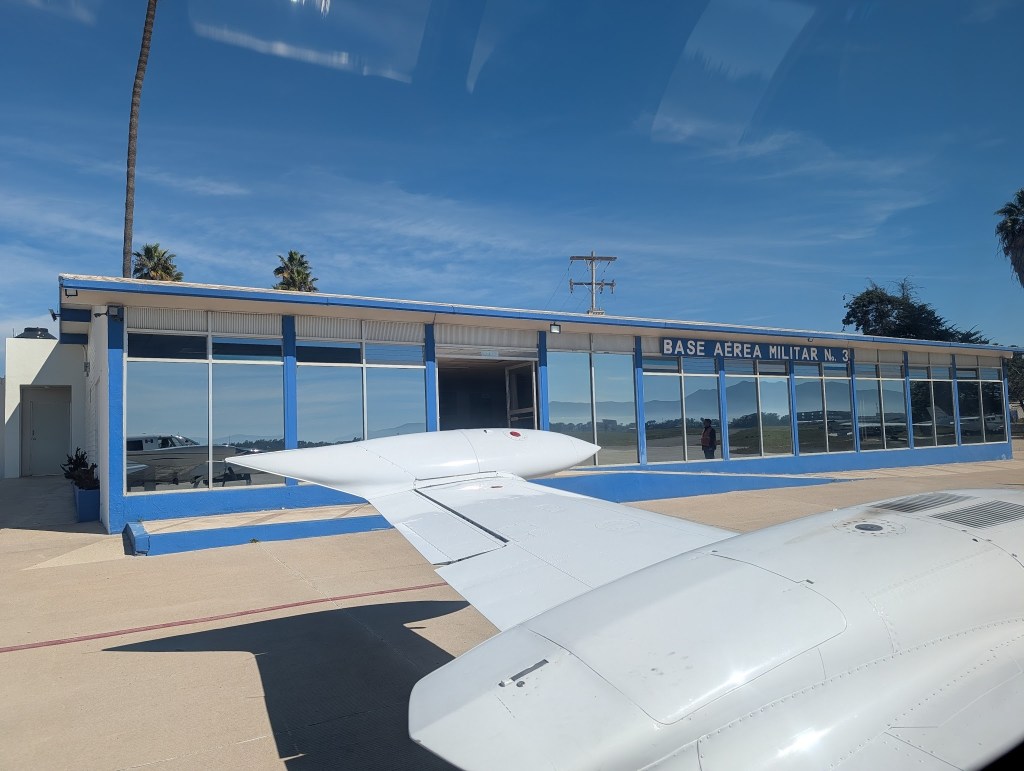
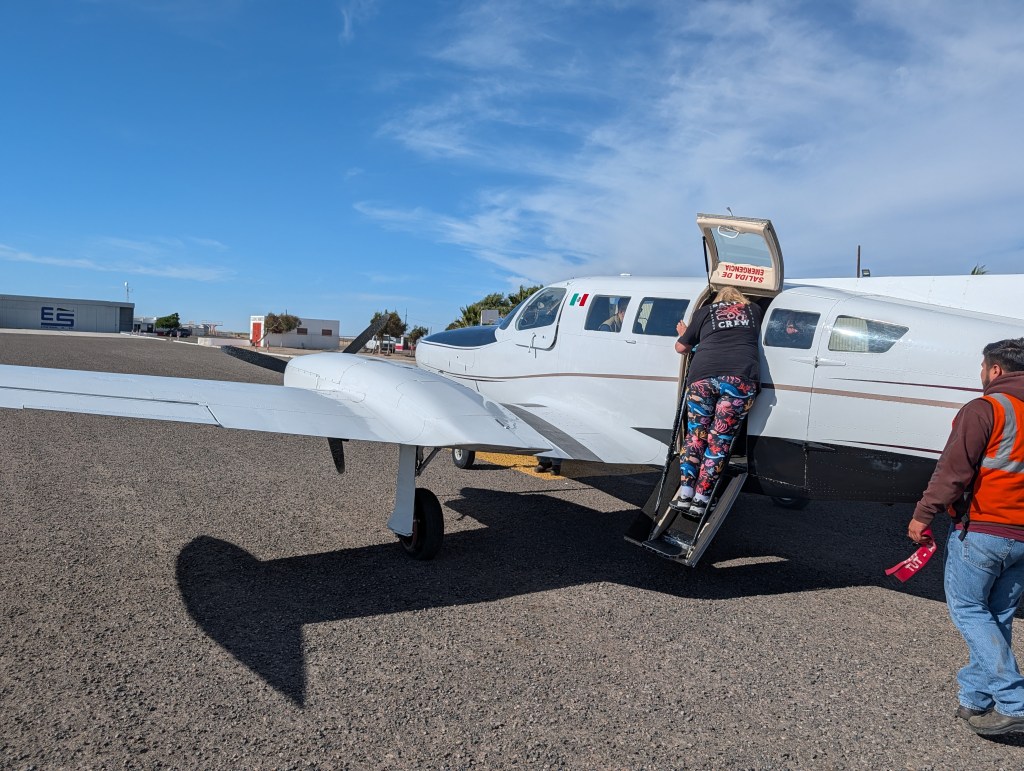
We had been assigned two planes, one a single engine Caravan which can carry 12 or so passengers – this was the regularly scheduled plane and carried some locals who were returning to Isla Cedros with their purchases from Costco. Either that or snacks for the flight. Myself, and five others, were on a small two-engine plane, chartered specifically for our group. I think it was a Cessna 402, not that it matters. It flew and landed. That’s all that counted for me.
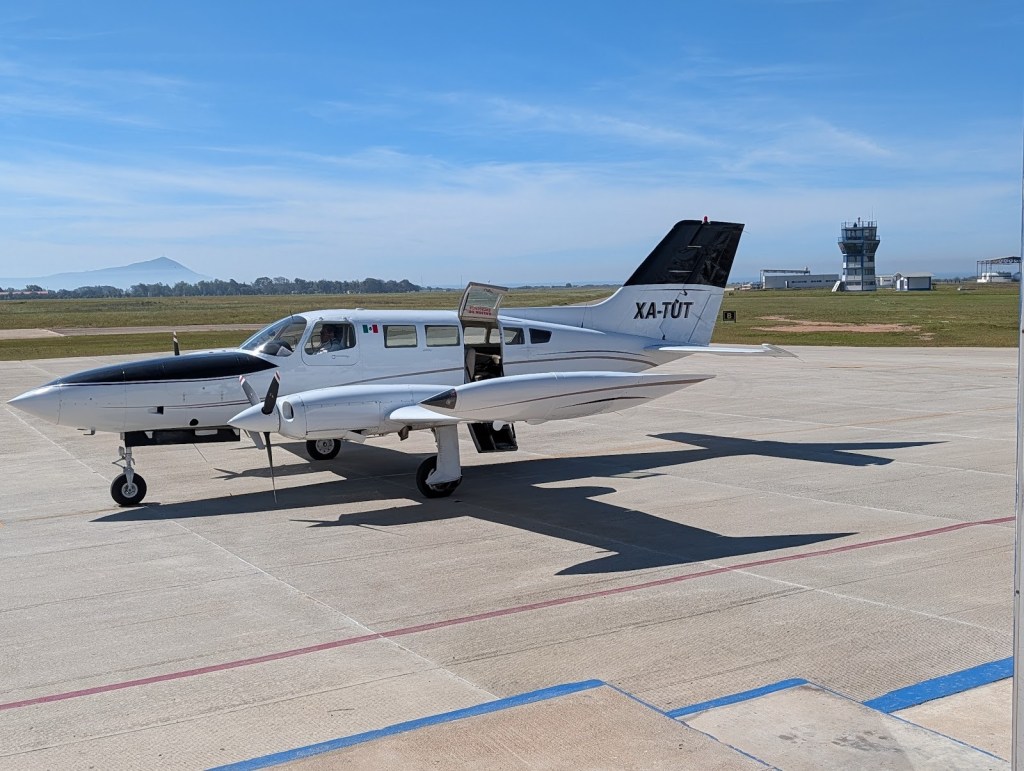
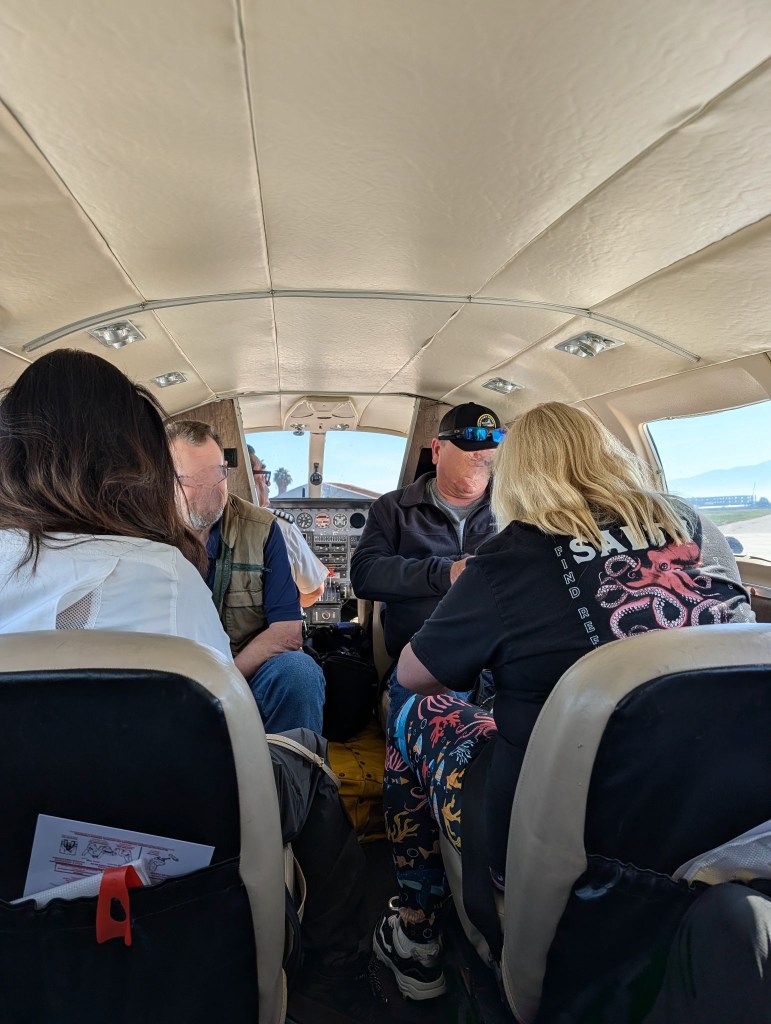
I have not flown on a small plane since graduate school, over fifty years ago – I recall one of the students kissing the ground after we landed. I seemed to have blanked the rest of that trip from memory (something to do with geoanticlines) but still have a fear of flying in anything smaller than a 737. But, it was the only fast way to Guerrero Negro, so I said a few prayers, and boarded the plane. Luckily, I got the seat by the very narrow entry hatch – sort of like having the emergency exit row in a regular plane – extra leg room. Once we were all settled in, the pilot fired up the two engines, and we headed down the runway. I decided to capture the moment on my phone
It was an exciting take off, banking quickly over the beach and out over the ocean. The view was quite nice – I quickly forgot why I was so afraid of the flight, and settled in (there was no seat back) to enjoy the view of the Baja coast as we headed south. I think everyone was waiting for the food and drink service to begin. Now where was the flight attendant?
The flight went by fast (it was a faster plane than the Caravan) – after about 2 hours, we turned inland over the lagoon – really interesting views of the wind-swept dunes. The area surrounding the town of Guerrero Negro was pretty much desolate – I thought that the cavern I visited last year in the Mojave Desert was the middle of nowhere. This would be the end of the road to nowhere
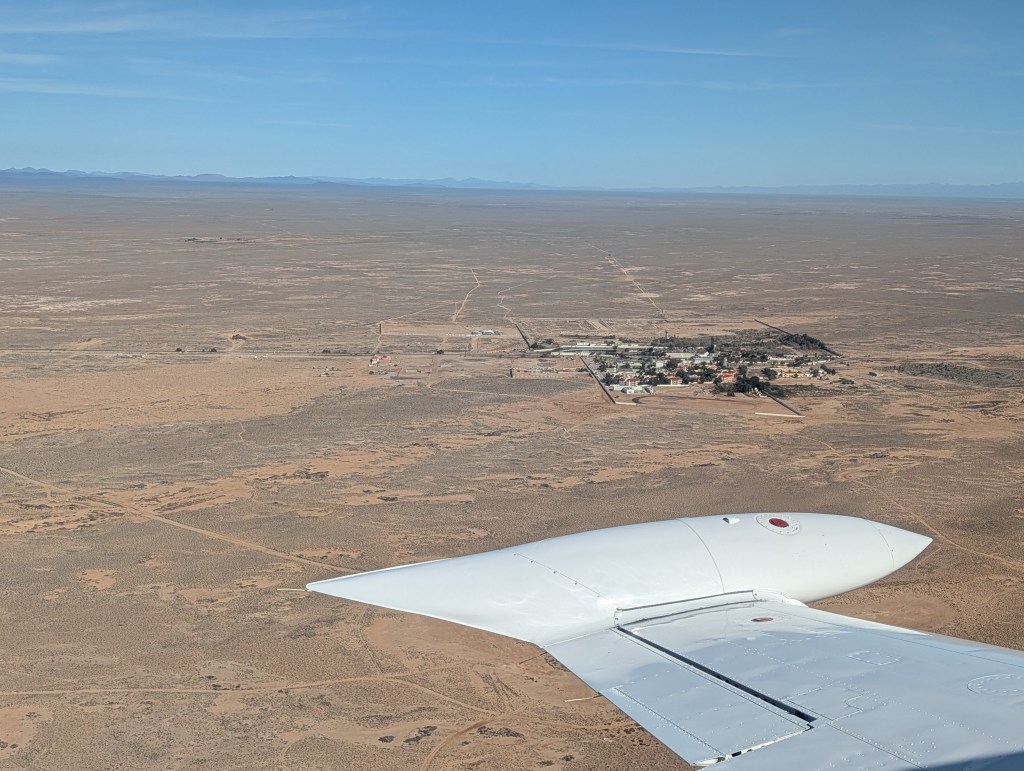
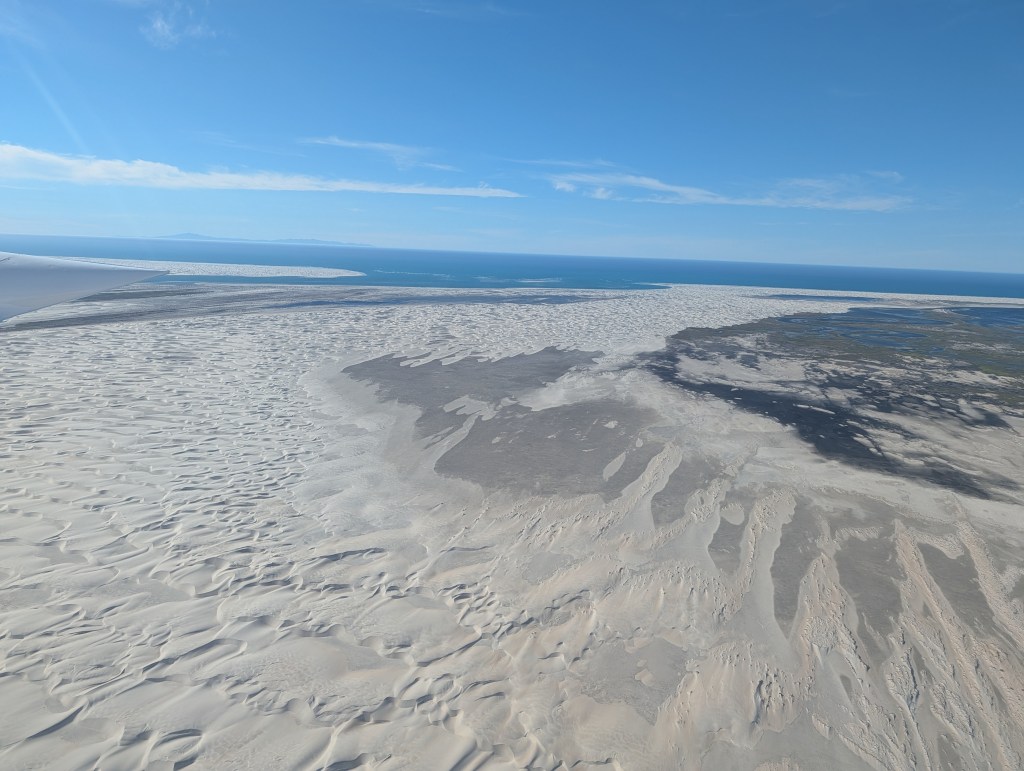
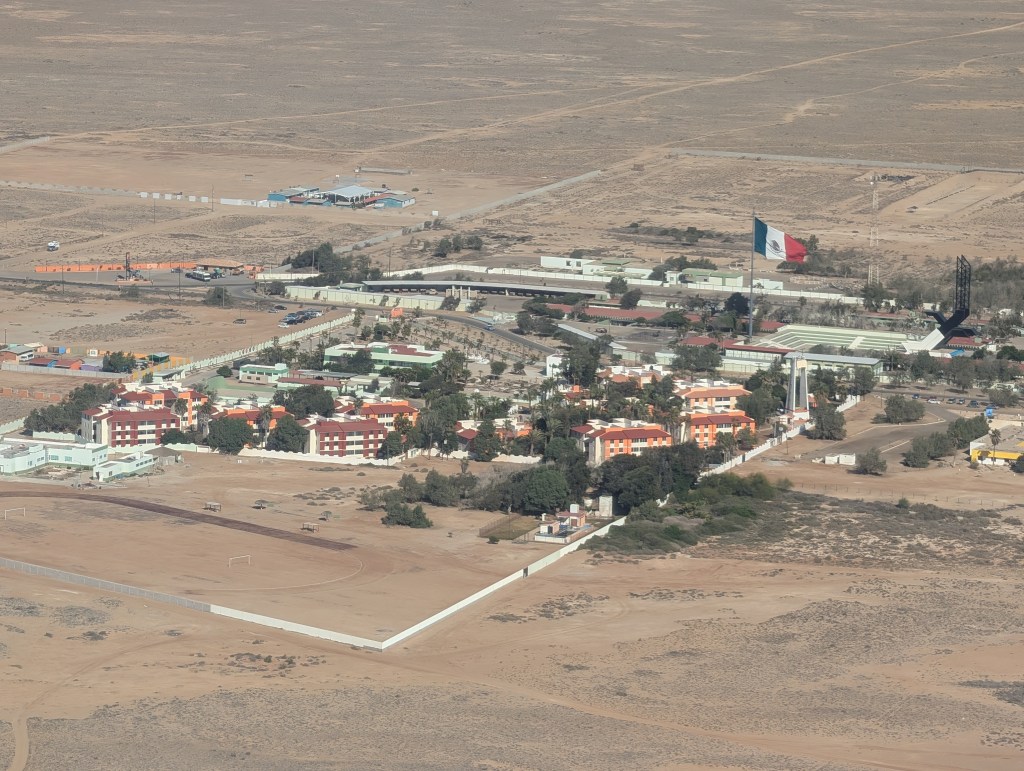
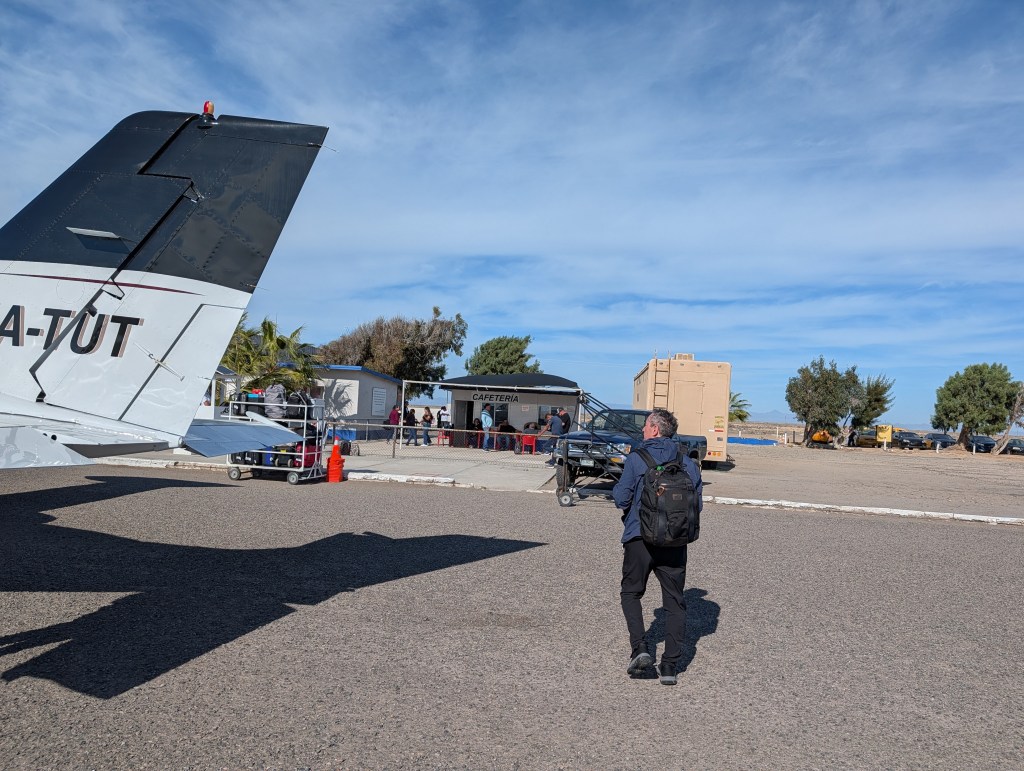
The airport was about what you would expect for a small town in a remote location – a runway (sort of paved), a small hanger, a couple of outhouses, and a small cafe. More than what Ensenada had.
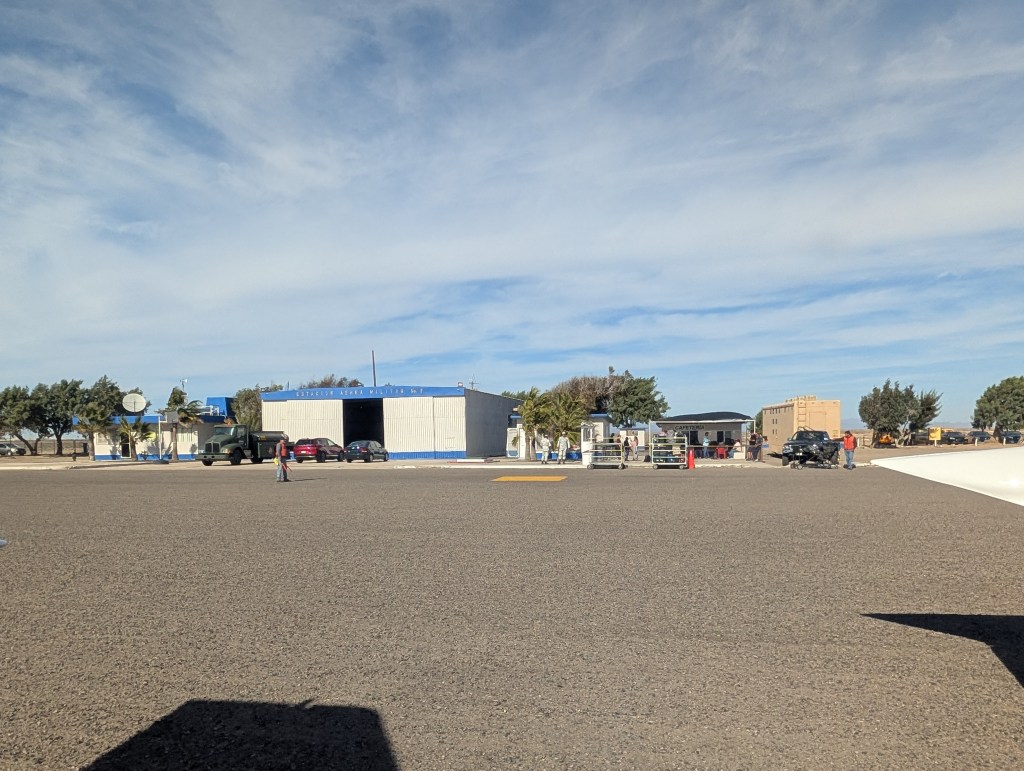
The van from the whale camp was waiting for us – the staff loaded up our luggage on top, and we managed to cram everyone in. I drew the short straw, and had to hang half on the edge of one seat. Not exactly comfortable for a long drive on unpaved roads leading through the salt ponds down to the beach. Ouch. I guess I should mention something about the salt ponds. The main source of income and employment for this town is salt production – there are large evaporation ponds along the edge of the Ojo de Liebre lagoon, and the dried salt is scraped up and processed locally, for distribution around the world. It’s a big business – the largest industrial sea salt operation in the world. Really.
The road eventually reached the whale watch visitor center (more on that later), and we continued down the road, passing the rental camping spots, each of which had a porta-potty and a thatched roof, open sided hut. And each had some sort of recreational camping vehicle with the owners sitting in beach chairs, adult beverages in hand. Very strange. They all drive down here to see the whales, and watch the sunsets I guess. They all looked pretty relaxed. I was half expecting to see all these folks wearing tie-dyed t-shirts, dancing to Grateful Dead music.
Finally, after another mile of driving, we reached the whale camp. What an amazing setup. The owner, Keith Jones, has been doing this for 30 years – extending and improving the camp along the way. There are a variety of “cabins”, each made of plywood and tarps, some located along the edge of the beach, others scattered along the trail leading up to the communal dining/kitchen structure. There are porta-potties in a few places, open washing areas (hands, brushing teeth), a couple of communal showers, and paths marked with solar lights. There were also a few larger lights, powered by generators. The amazing thing about the camp is that it has to be torn down after the whale season is over – every structure is disassembled, and stored away locally until the next season. That’s a lot of work. Each cabin is on the primitive side – two comfortable beds, a small table, and a very small electric heater (only for a few hours in the AM and PM). I upgraded to a cabin + shower – it looked like a Tuff Shed with another plywood shed added to it. Primitive but functional and surprisingly comfortable. My wife would never have done this, but I’m OK with roughing it once in a while.
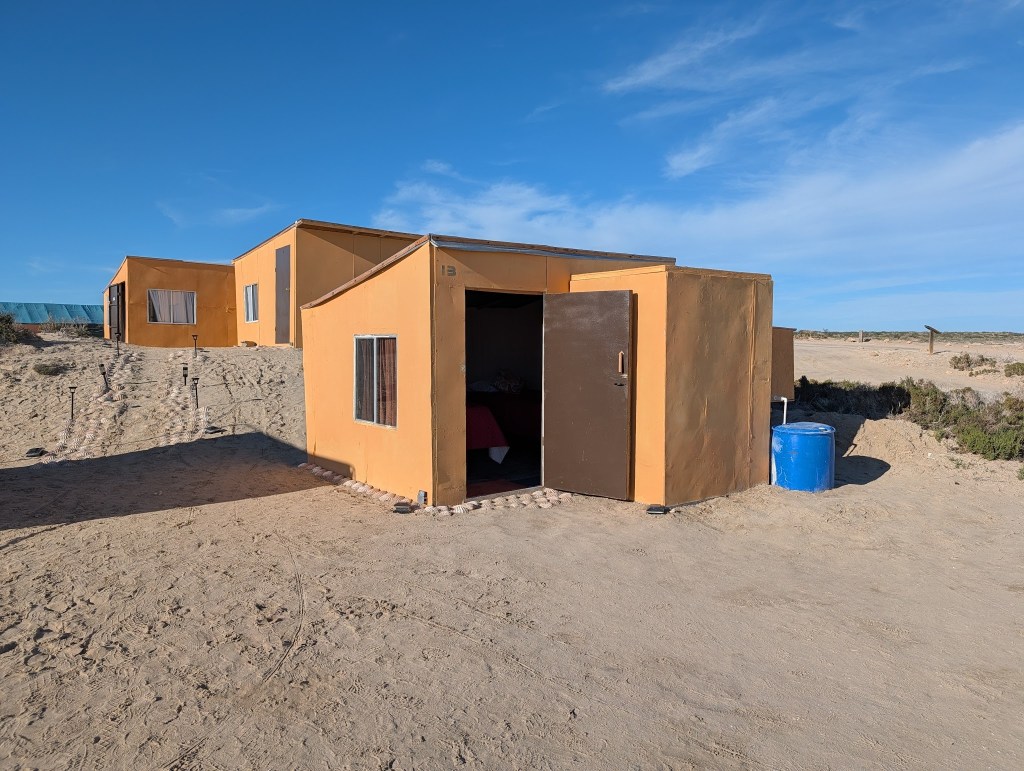
Here are a few photos of the camp
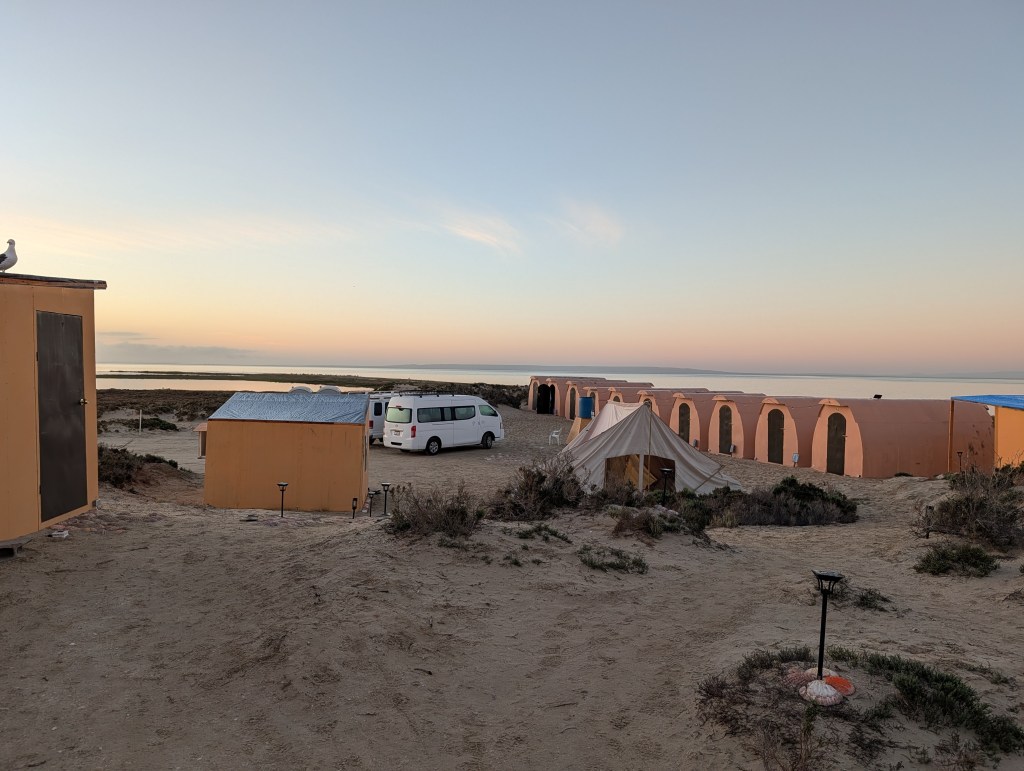
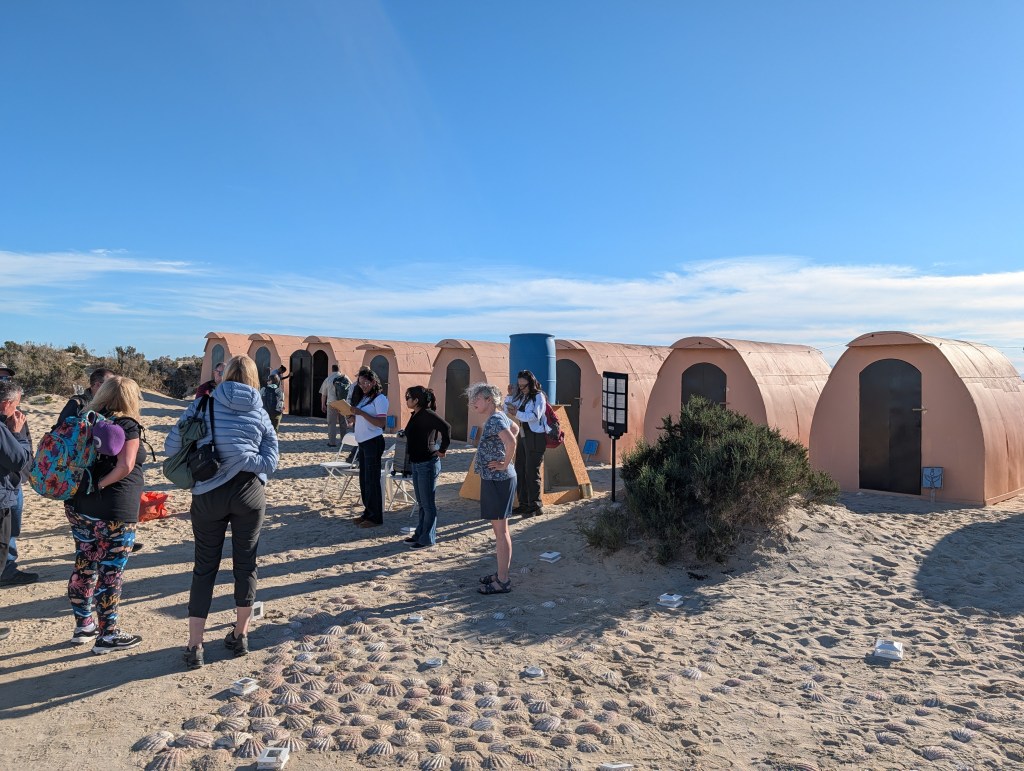
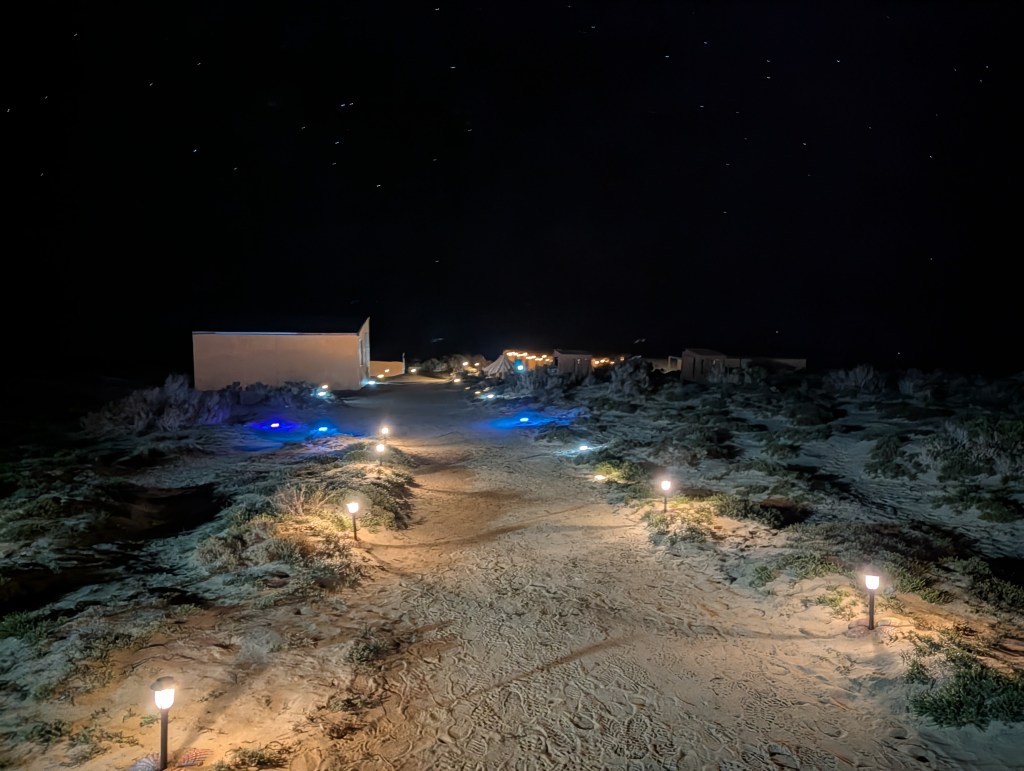
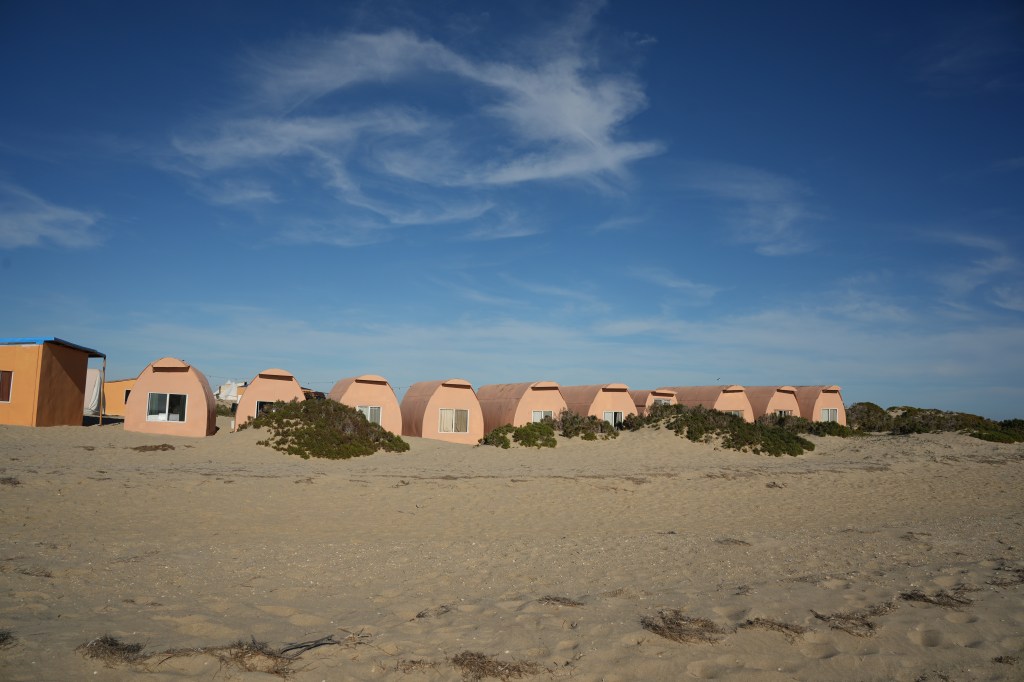
After the van was unloaded, we met the camp staff and had a brief orientation – we then wandered off to our assigned cabins, and then made our way up to the dining building. This was another pop-up structure – lots of tables and basic seating (plastic or folding chairs), a bunch of games, books on whales and Baja geology and most important of all, a really nice bar – the woman doing the bartending made excellent margaritas. I was supposed to avoid alcohol for a while, but what the heck. It was a long trip. The staff was wonderful, and it was a really interesting group – mostly from California, but a few who traveled a long way to get here. All really nice, very friendly and a lot of fun. Things were looking up for the trip after the almost disastrous beginning for me. My heart seemed to be behaving normally – I had been checking my pulse (on the watch) regularly during the trip, and the BPM was pretty much normal most of the time.
After dinner, everyone wandered off to their huts – the staff placed small, rechargeable lamps in every cabin, along with a camping toilet – very important for those of us who make a regular trip to the bathroom at 3 in the morning. Once the generators go off at night, the place is absolutely silent. Falling asleep was not a problem.
Oh…and of course there were beautiful sunsets there.
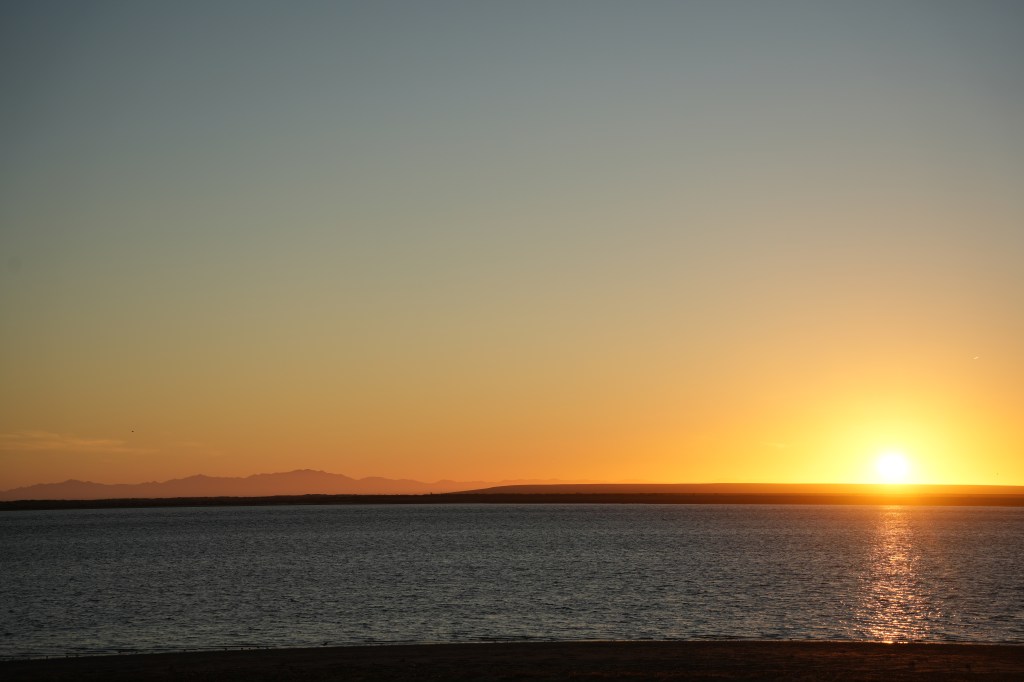
Breakfast was at 6:30, and we were leaving for the boats at 7:30 sharp – I had all the camera gear and my clothing ready to go. It was a long, very strange trip, but I was finally going to see the whales up close and personal.
 The Traveling Widower