Tag: Panama-canal

  • Birds and Monkeys…and Keep Your Hands in the Boat!!

    A group of unusual, spiky insects clinging to a tree trunk in a natural setting.
    Bats!!! Really.

    March 22, 2026

    Remember all the time honored warnings your parents used to give you when you were young? “Don’t run with scissors or a knife in your hand”, “Don’t play in the street” or “Don’t talk to strangers”. Well, one of the warnings you get on cruises, when you go off on small boats for activities, is “Please keep your hands inside the boat”. Now I know why. I’ll fill you in on that in a bit.

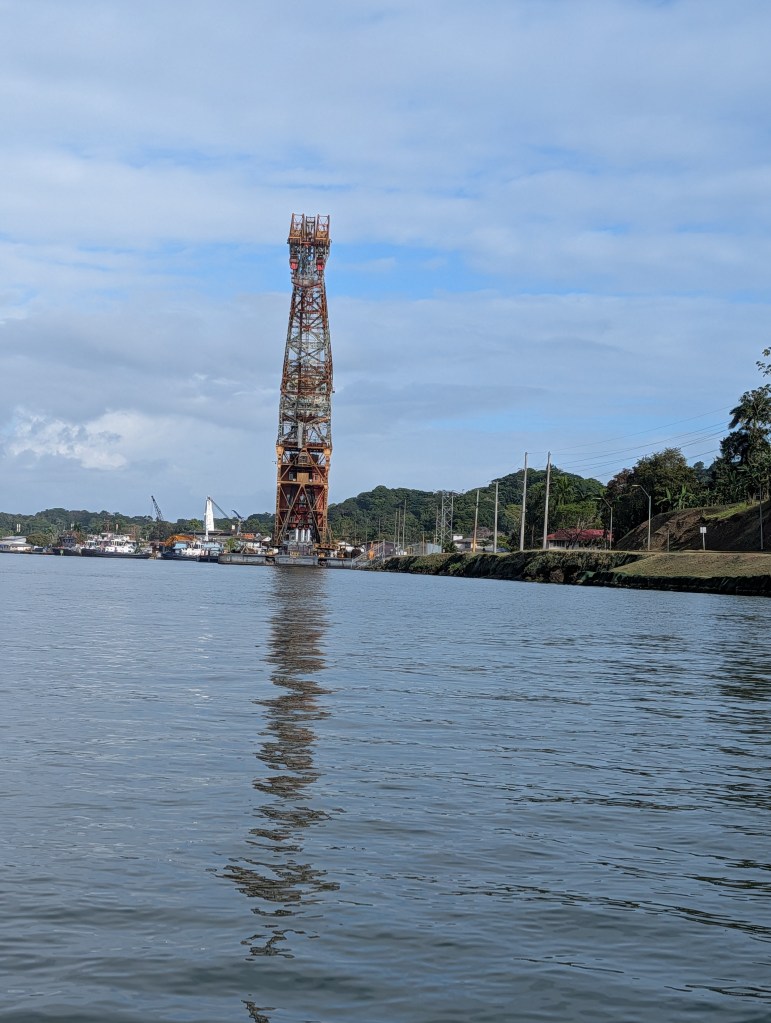
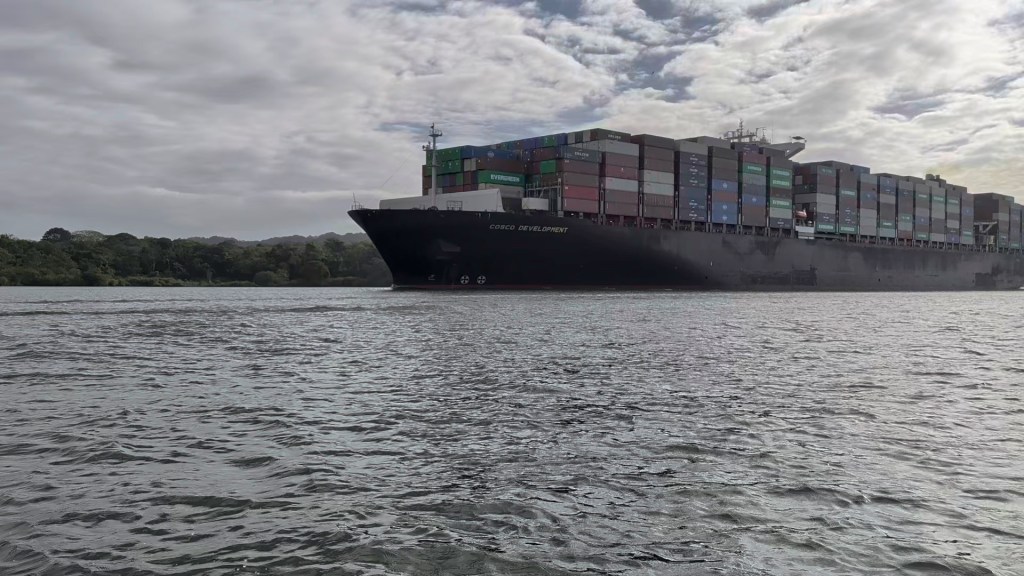
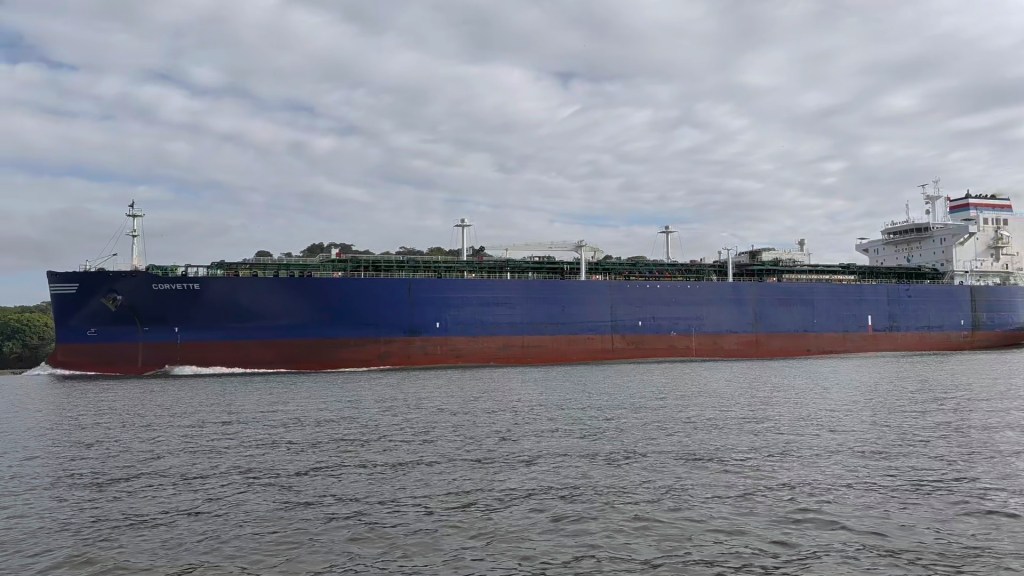
    Today was the first full day of activity since boarding the ship. We passed into the canal the previous night, an experience I’ll cover in another post. This has been a very busy trip, and it has been hard to keep up with writing new posts. Lo siento. After passing through the locks, the ship passed into Gatun Lake, which was created during the development of the canals – at the time (early 1900’s), it was the largest man-made lake. It’s still huge – check out a map of Panama and you’ll see for yourself. The boat anchored in a quiet bay, which gave us most of the day to explore along the islands and rainforest national parks around us. In the morning, I opted for a visit/hike to the Soberania National Park, which is a haven for bird watchers. We had a 30 minute ride in Pangas (small boats) to get there, which was fast and fun – you get to pass huge LNG and container ships, making their transit through the lake portion of the canal. The lake is also a tourist attraction, so their are a lot of small boats buzzing around, and this particular morning, a bunch of dragon boat teams out practicing.
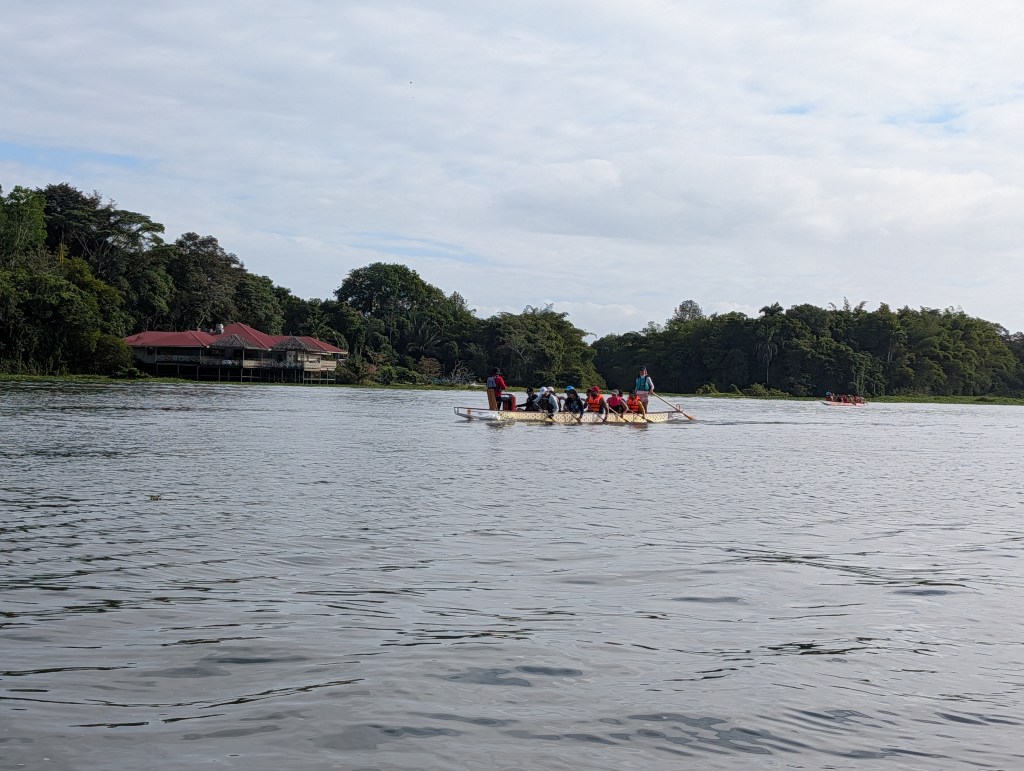
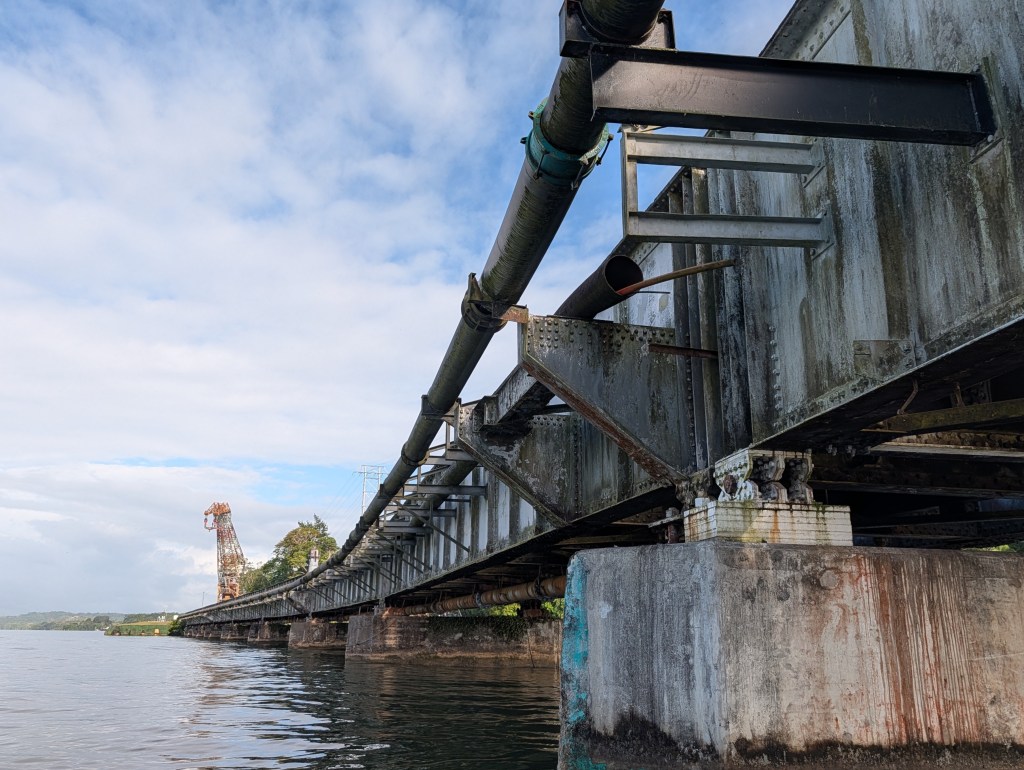
    There is of course history behind the big crane in one of the photos – it was purchased from Germany before WWII – it was built for maintaining U-Boats. It is sort of a museum piece, but they don’t know what to do with it. The railroad bridge we went under also has a lot of history – it crosses the main river which feeds the lake, and is part of the line which crosses coast-to-coast. When the water in the lake gets to high, even the Pangas can’t go underneath (unless everyone ducks).

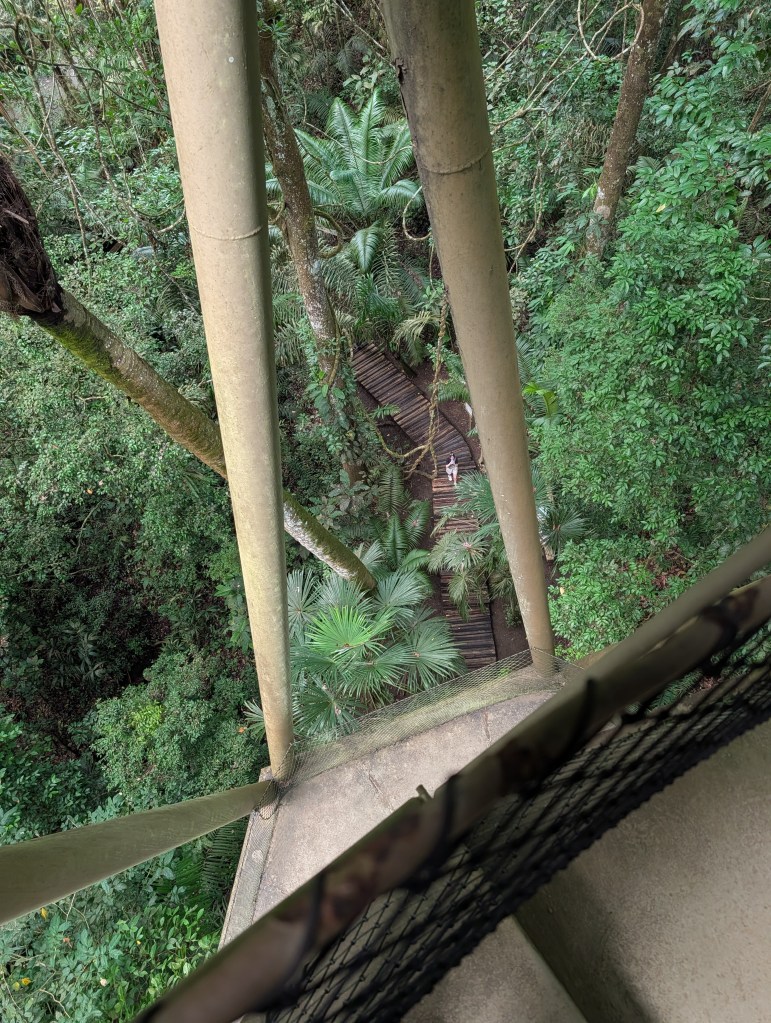
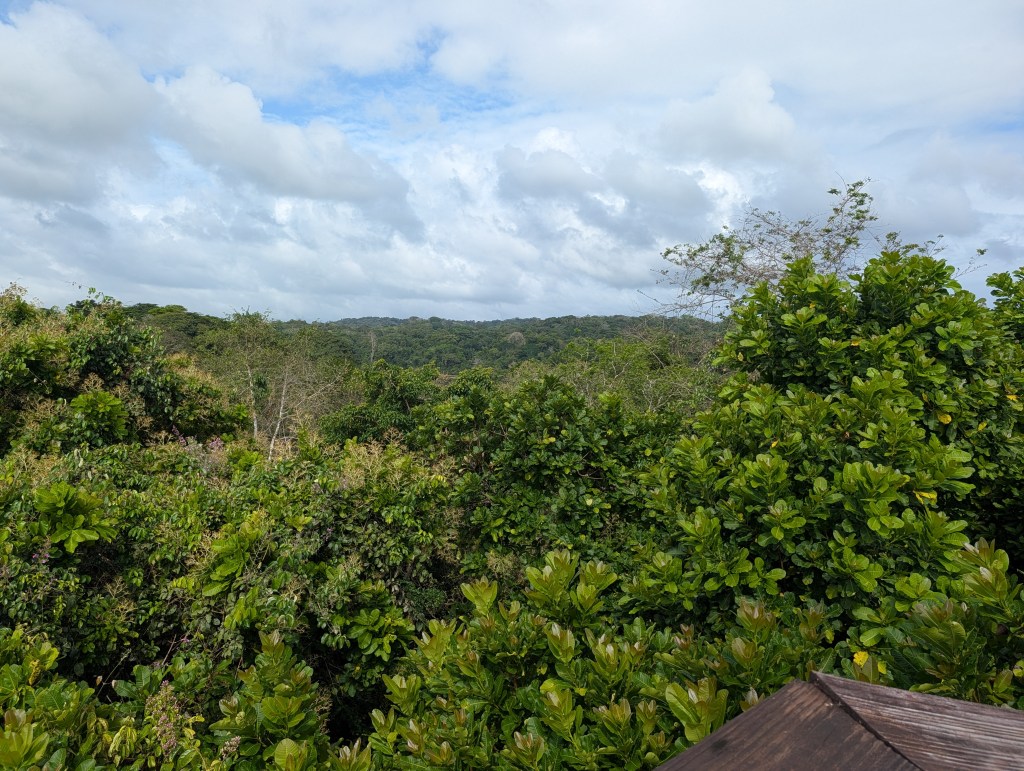
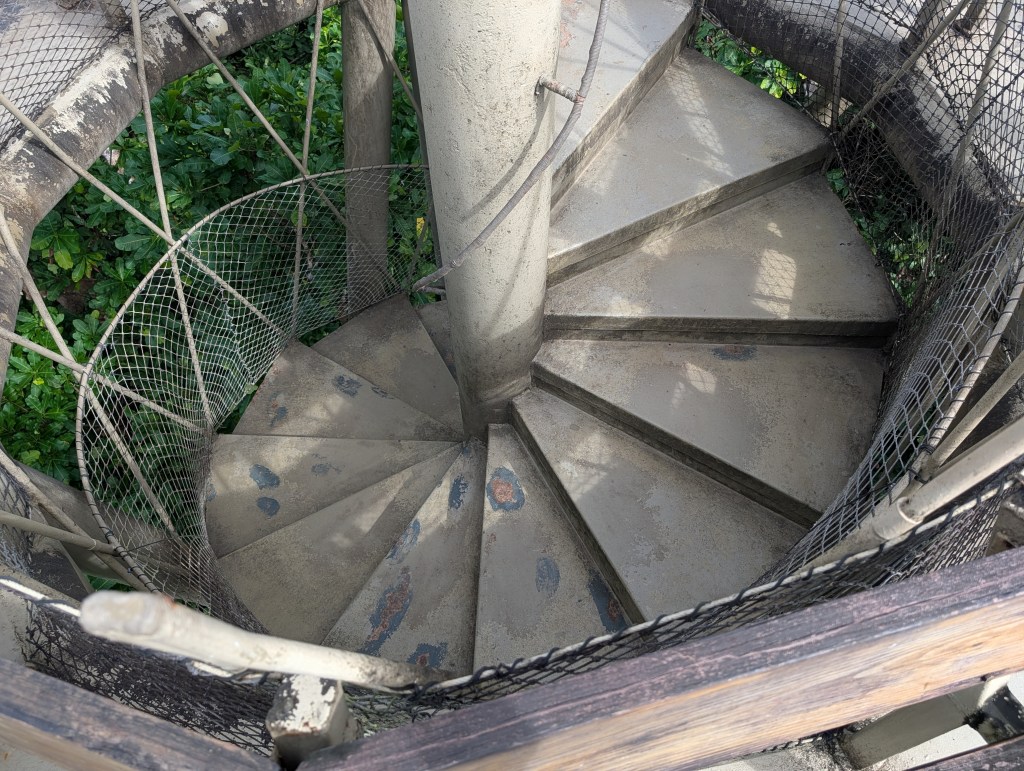
    We headed to Gamboa, which for a long time was a thriving town when the US owned the canal, but is now a ghost town with just few businesses keeping the lights on. But it does get some tourist traffic for the rainforest park – birders, hikers and even some cyclists. Our groups were headed first to a large observation tower where you can climb 170 or steps to an observation deck above the forest canopy. Yeah, another spiral staircase, just like the Moaning Cavern. It was fun and a good test of my heart, but we did not see much in the way of wildlife. 
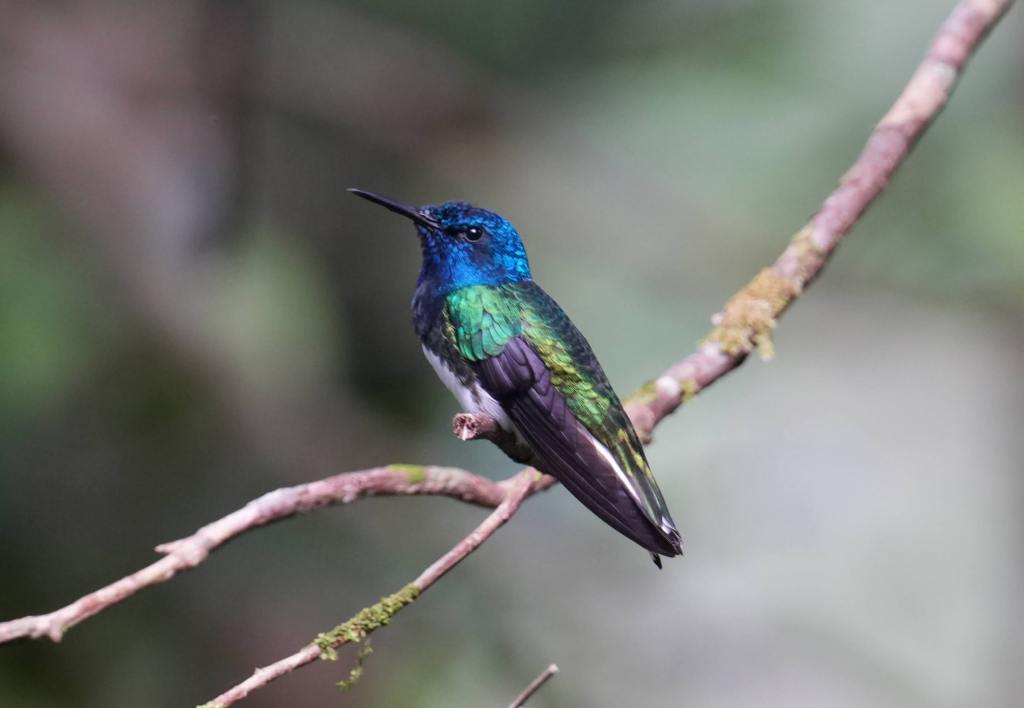
    After descending, I opted to return back to the other attraction for the morning – a hummingbird viewing station. Now that was more like it. There are quite a few species of hummers in the rainforest, but this time of year, fewer show up at the feeders since all the plants are flowering. Too much too earth. But, a bunch of them still buzz over to the visitor center for an easy meal. It was amazing to see so many hummingbirds dividing around the feeders – there are literally swarms of hummers flying around, and they had little button feeders if you wanted to have them feed out of your hand. Which of course I did. I had two hummers and about 6 wasps on my hand. I quickly abandoned that effort. I wasted a lot of shots on the feeders, but focused on the birds when they sat in the trees. I managed to capture some incredible images, probably better than what I got from the UC Santa Cruz Arboretum last year. The hummingbird pictured below is a White Necked Jacobin. There were two other species, but I did not get any good photos of them.
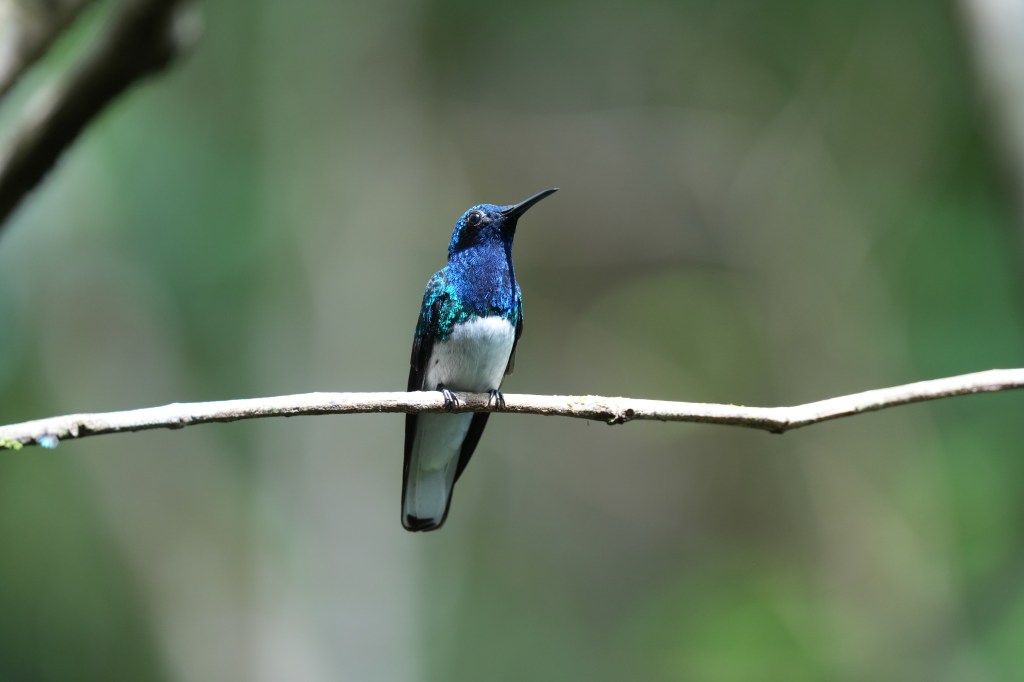
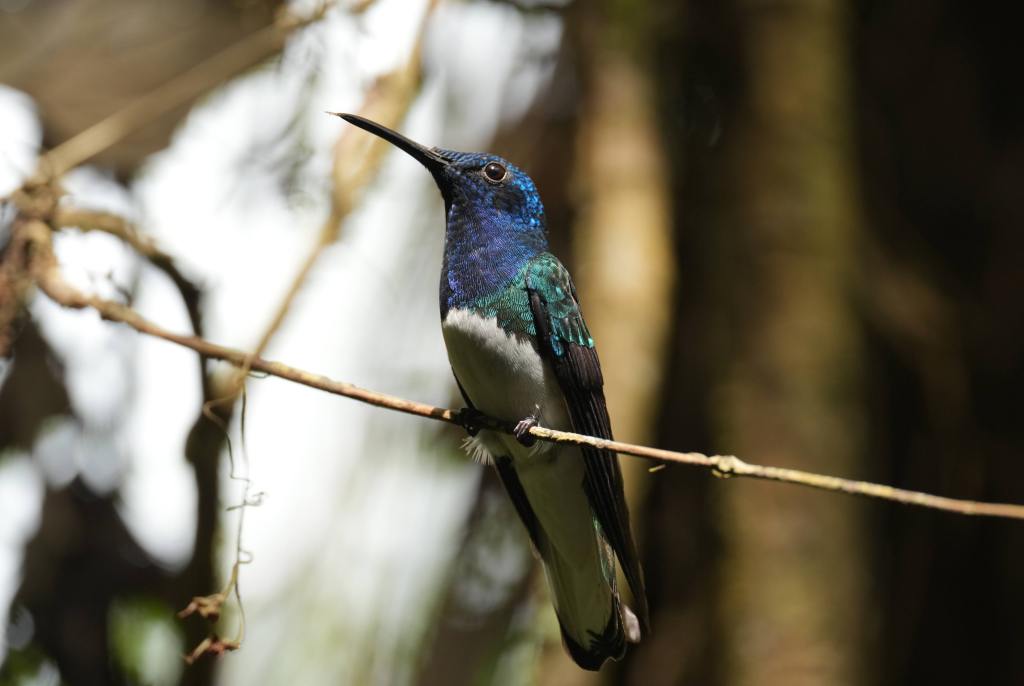
    That was about it for the morning excursion (that word has new meaning of late…no bombs involved). I think we were all soggy from the humidity, but it was a really beautiful and enjoyable experience in the jungle.

    The afternoon off-ship activity was a bit easier on the body – boat rides around what are referred to as the Monkey Islands….for obvious reasons. There are large numbers of four different species of monkeys on the islands. Duh. The rain forests all over Panama and Central America have a variety of resident wildlife, including monkeys. When the river valley was flooded to create the Gatun Lake, all the peaks of high hills became islands, each with family groups of monkeys. There is lots to eat, so the monkeys stayed and the populations pretty much stay in their isolated world (although they do swim). 

    We went off on the Pangas again and just cruised close to shore, looking for movement in the trees. And there was a. Lot of that. The Mantled Howler Monkeys are the easiest to spot, and we found one family group that provided some good photo opportunities. We had seen (and heard them) in the morning – their sound was used to create the T-Rex roars in Jurassic Park. You can hear them from far away.
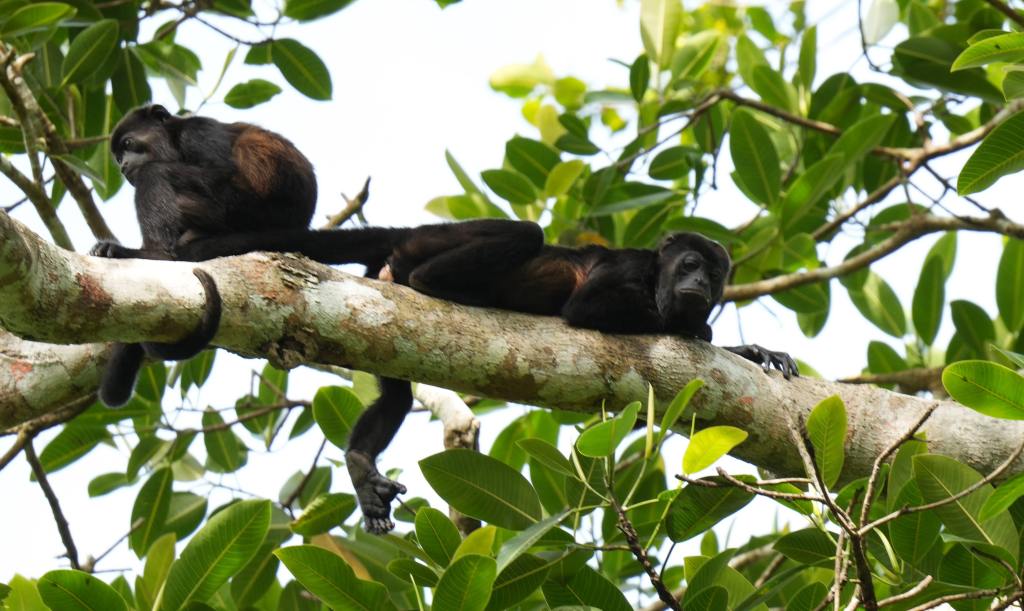
    Two monkeys resting on a tree branch surrounded by green leaves.

    The next ones we spotted were these cute little monkeys (Geoffrey’s Tamarin), right along the shore. Here’s the rest of the story I teased about. The naturalist invited me up to the bow of the boat, so I could photograph the little beasties better. As I moved in, I grabbed the side of the boat, not realizing that the driver was intending to just ram the boat into the trees. My hand became a bumper between the boat and a tree. Fortunately, I screamed (more like a very loud curse) and the driver backed off before my fingers were crushed. Not much damage done – it hurt a lot, but only my little finger was bruised, and a small amount of blood from a cut. I kept on taking photographs for the monkeys…..it was worth the pain. The naturalist was more upset than I was.
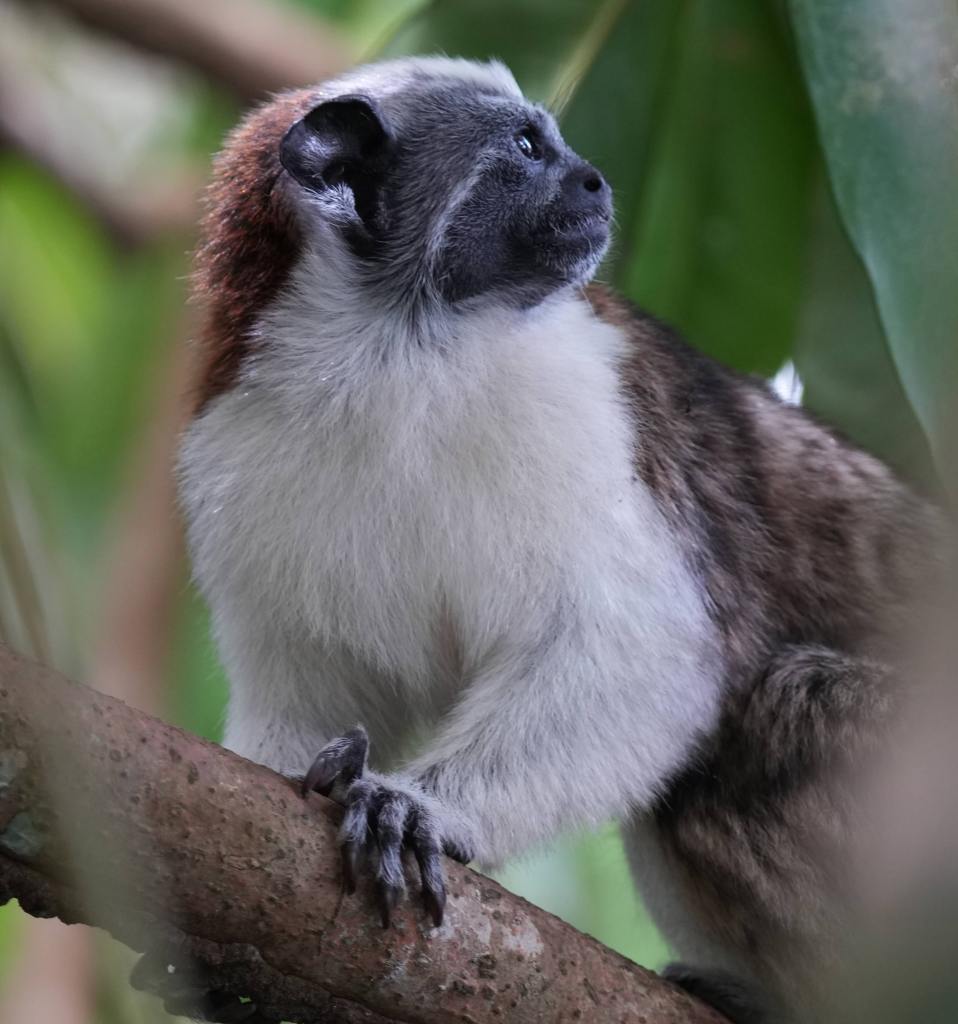
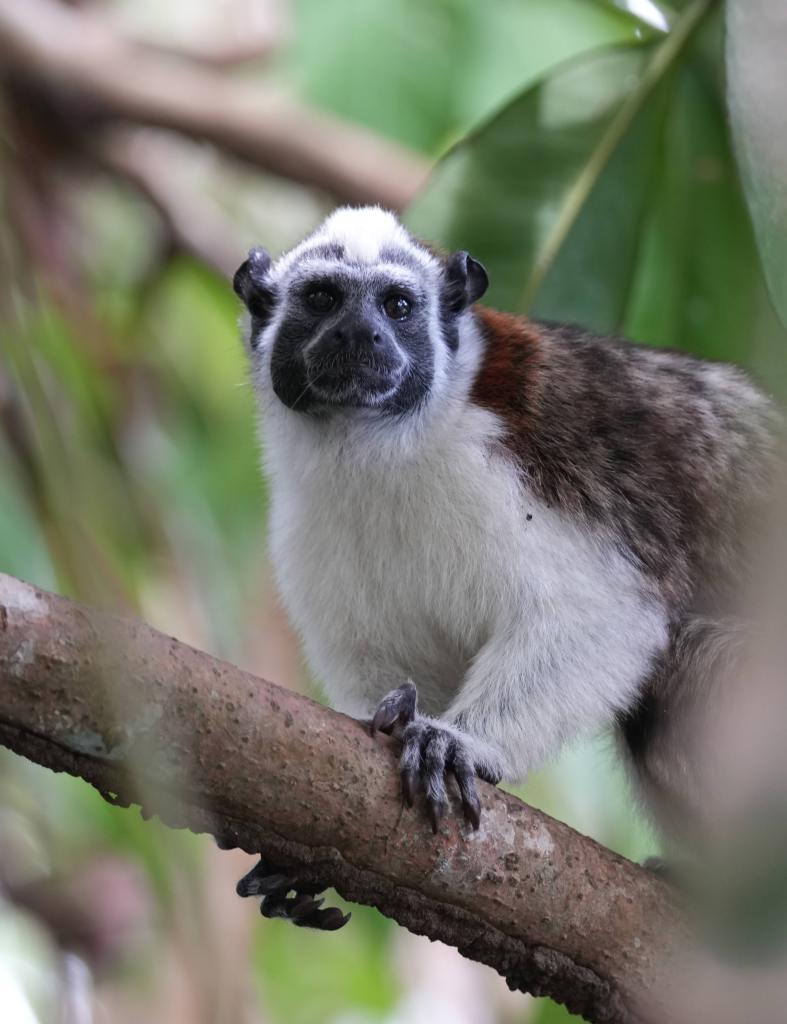
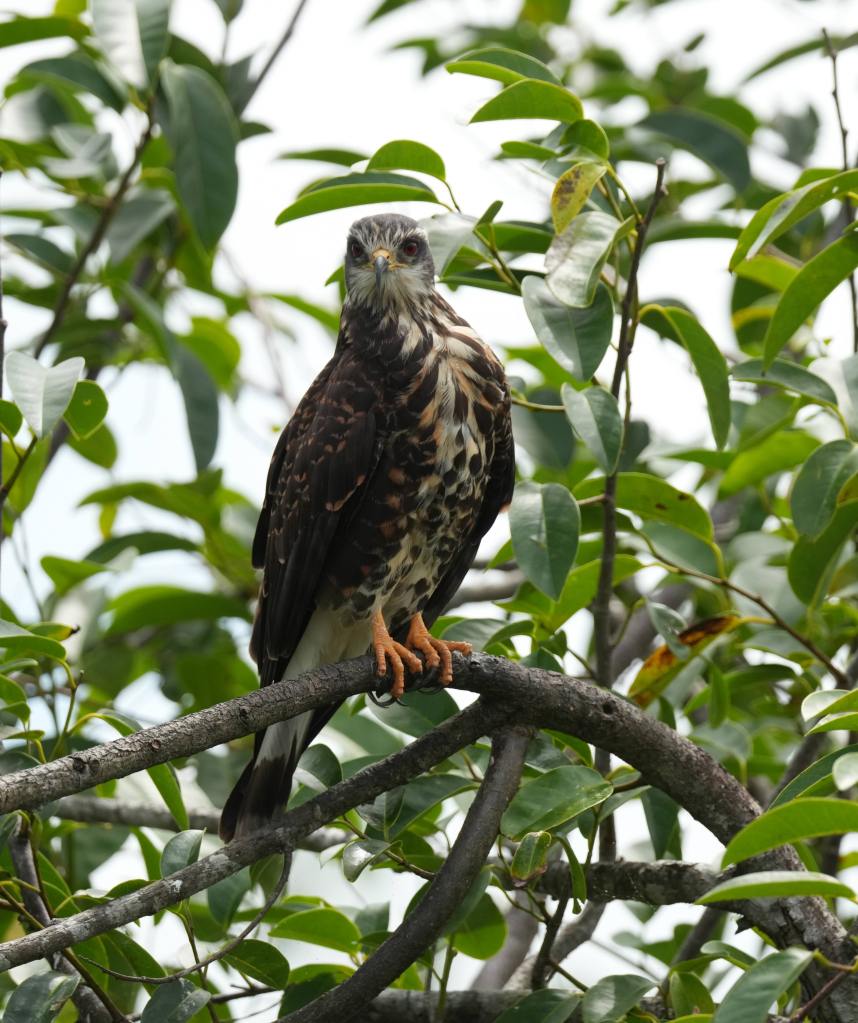
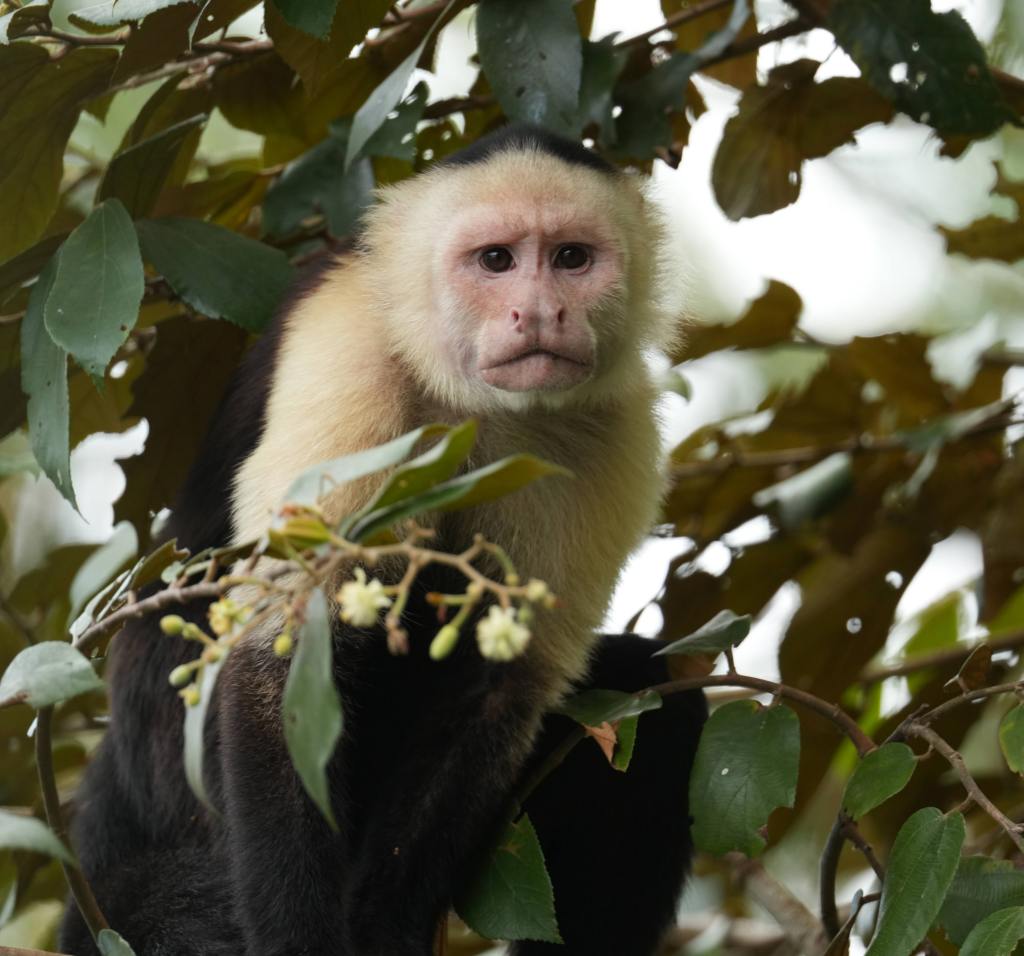
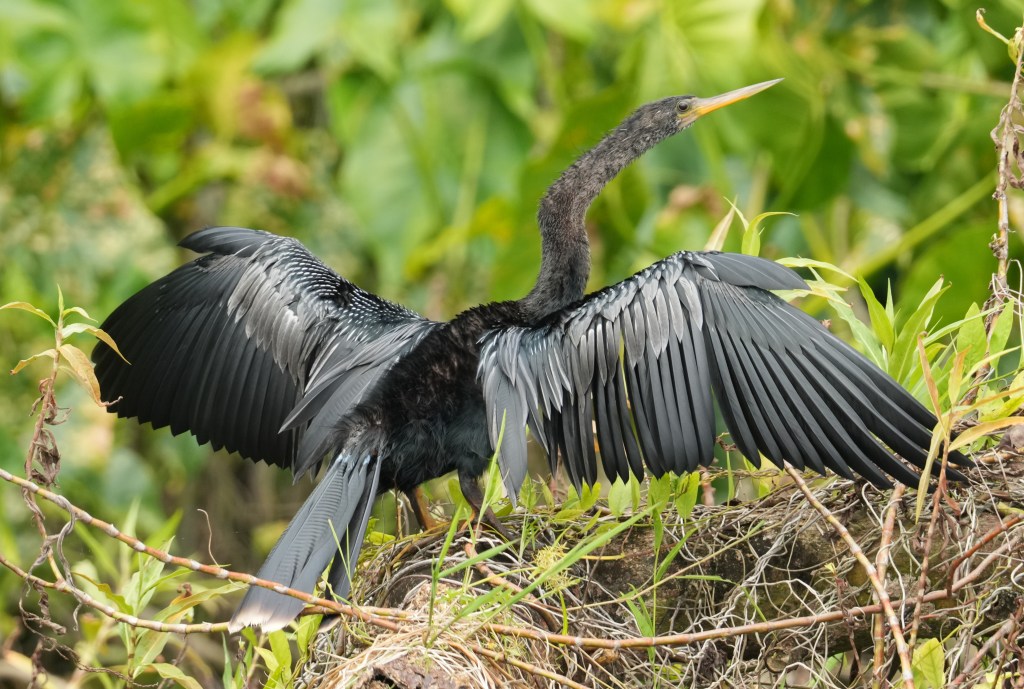
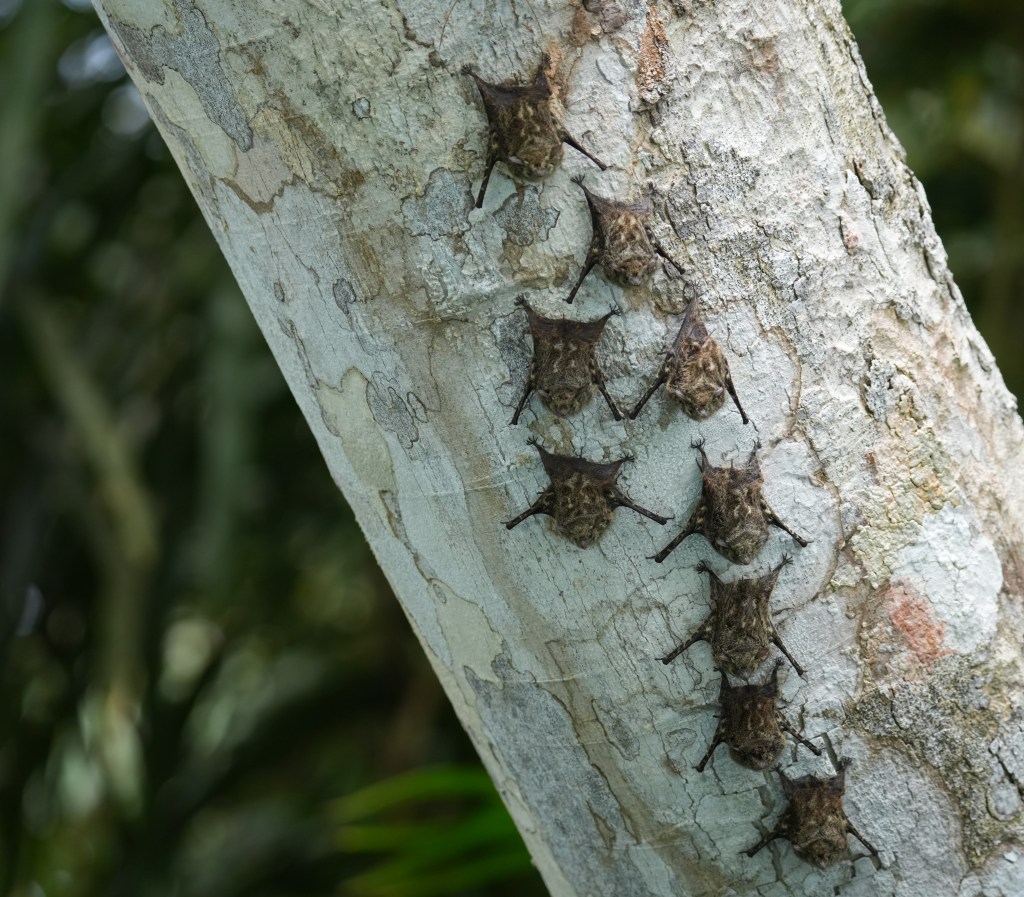
    We kept on cruising after that, and spotted another species of monkeys (White-Throated Capuchin Monkey) a Snail Kite that posed for us, an Anhinga drying it’s wings, a small alligator and some incredible tiny bats (cover photo). 
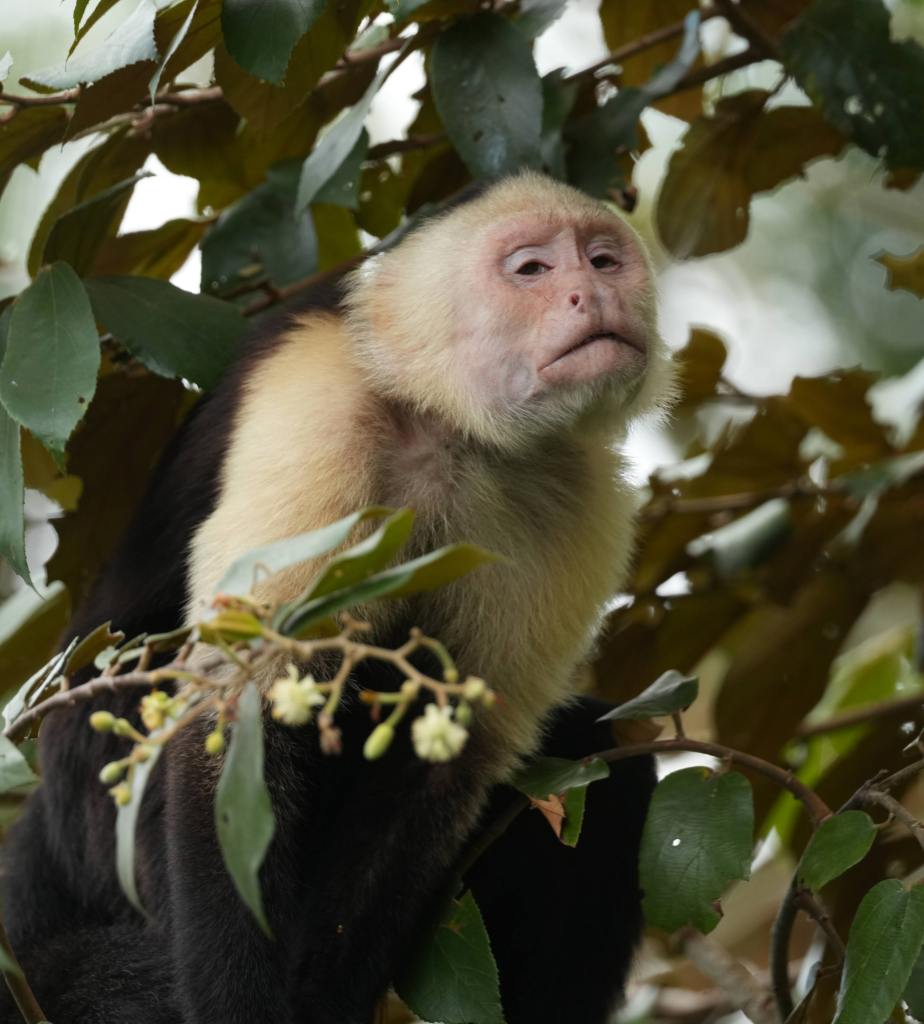
    I spent an hour or two reviewing and curating a few of the photos – I could leave today and be very satisfied with the results. High hopes for the rest of the trip. And I’ll keep my hands in the boat from now on.

    Peace
  • Old Town Panama City and the Miraflores Canal Locks

    City skyline featuring modern skyscrapers and distinctive architecture, including a twisted building and triangular rooftops under a cloudy sky. Panama City

    March 20th, 2026

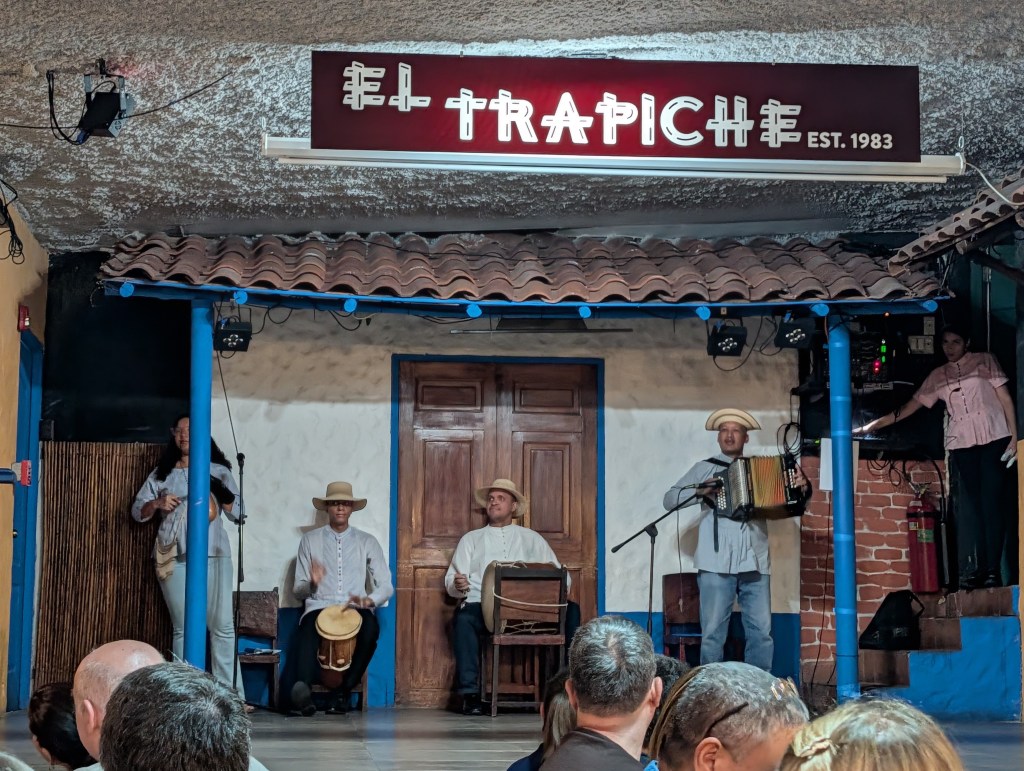
    I figured the trip had to get better once I made it to the hotel, and miraculously, it did. No more stress. Dinner with the group was interesting that evening – the food menu at the restaurant we went to was limited to a few choices of local Panamanian fare – not great (dry fritas and mixed grill of fish and mystery meat), but I was starving by that point. As our group finished dinner, the curtain on a small stage was raised, and there was a dance/music group, that performed a number of dance and musical routines. There were two drummers, one of whom gave an absolutely amazing solo on his single bongo drum – he could probably work a full drum set and play with any rock band. My hands hurt just watching him. The 6 dancers were very good as well.

    A live music performance at El Trapiche restaurant featuring musicians playing traditional instruments, with a sign displaying the restaurant's name and establishment year.

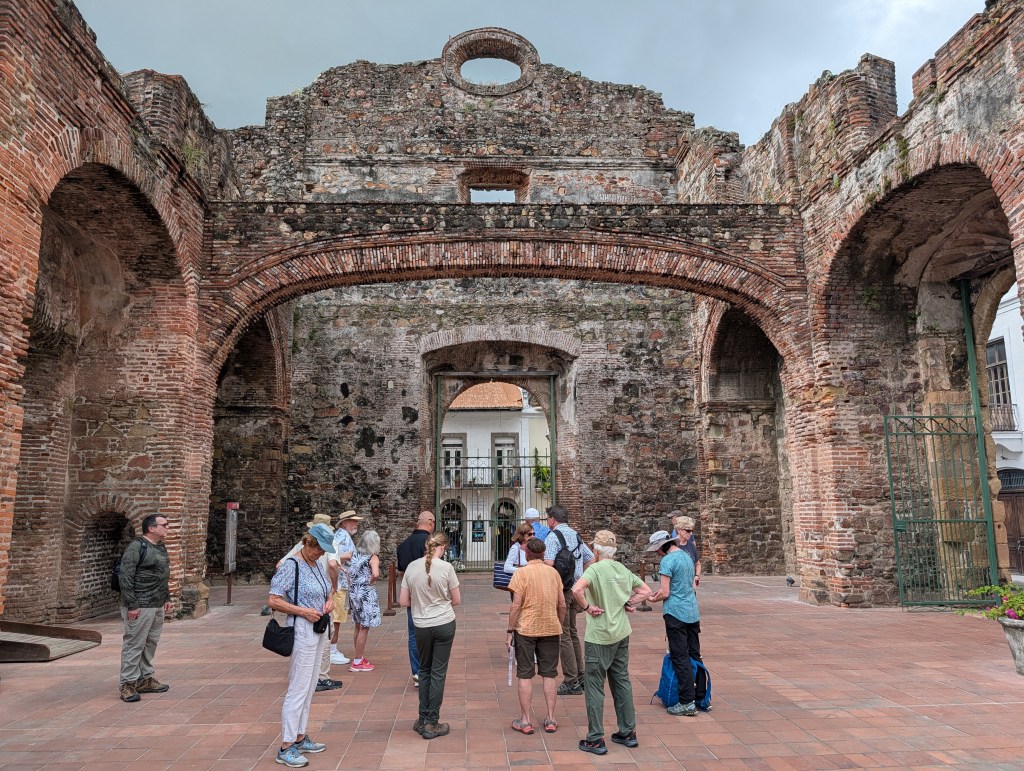
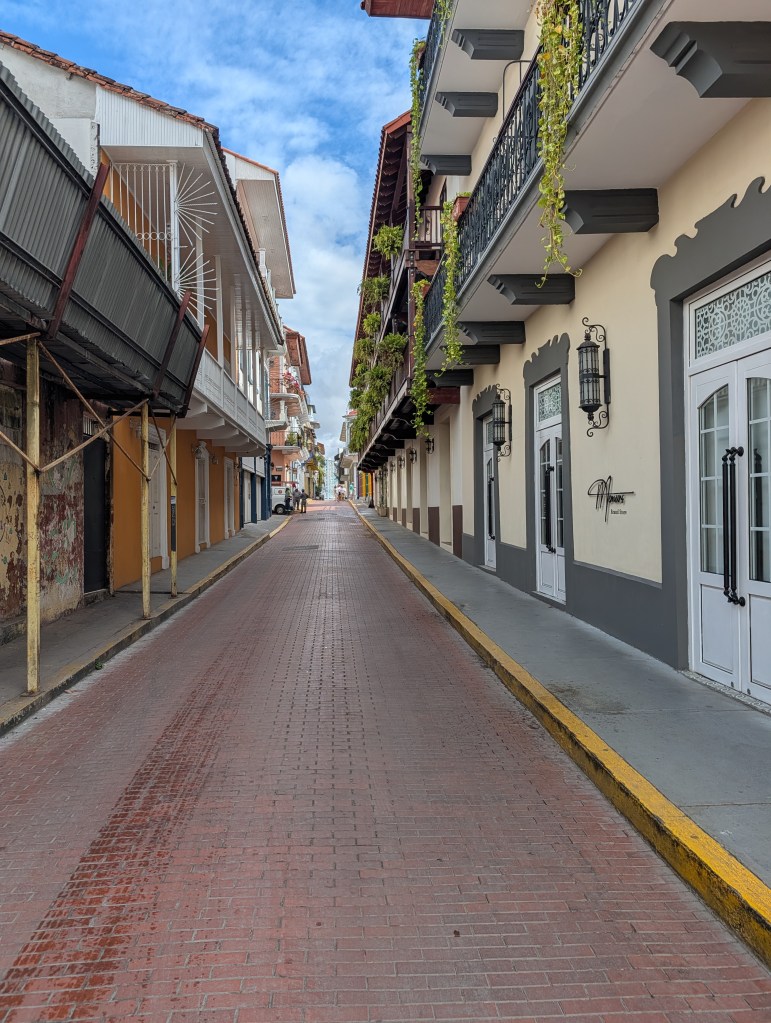
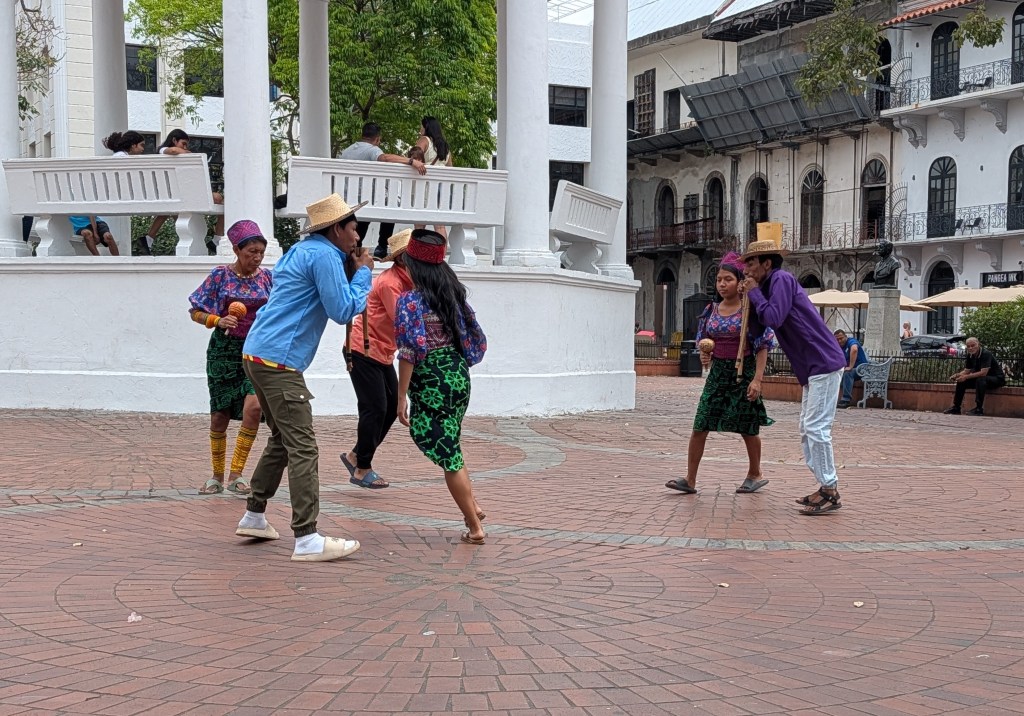
    The schedule for the first day was full from morning through late afternoon. We started out on a tour of the old city, which dates back to the 1600’s. It kind of reminded me of New Orleans, which is not too surprising – Panama has a very complicated history, having been ‘owned’ by France, Spain, Columbia and to some degree, the US. Think back to Manuel Noriega – we bombed the crap out of the city, and eventually convinced Noriega to surrender, after driving him crazy by playing a continuous loop of loud rock music outside the building he was holed up in. Really…I’m not making it up. The playlist can be found with a Google search. I kind of liked what they played. But not everyone likes Black Sabbath or Guns N’ Roses. “I am Ironman” or “Welcome to the Jungle blaring all night and day.

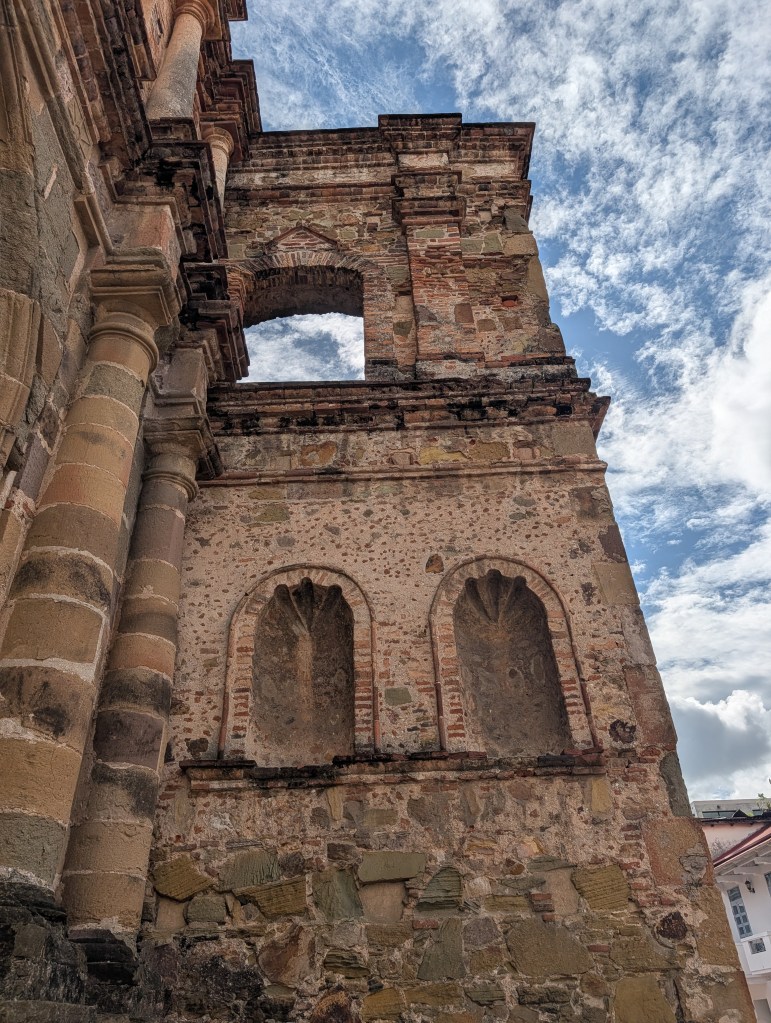
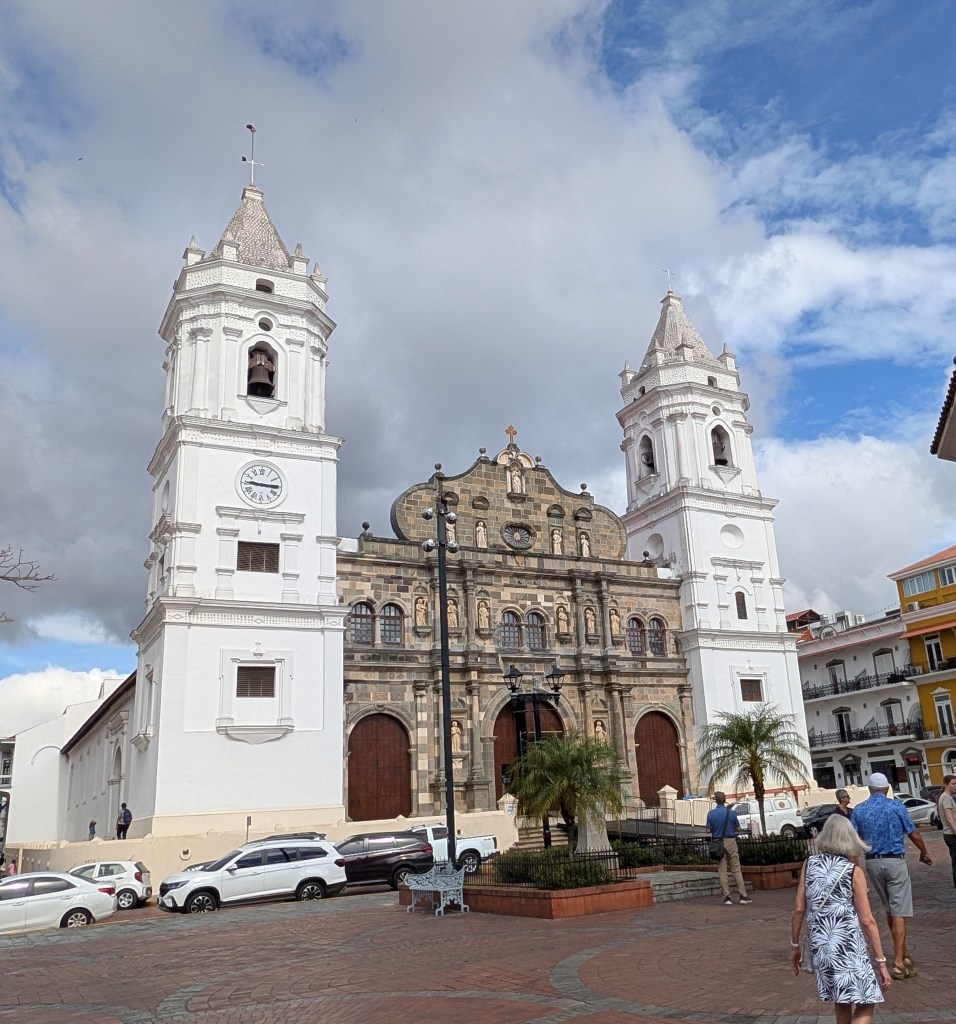
    Back in I the 1600’s,  Panama City was the center for shipping gold from South America to Spain, so it was attacked, invaded and burned multiple times by pirates. Henry Morgan was not very popular here. So the old town was where Spain moved everything to after an earlier version was destroyed, and this one was fortified. At any rate, the relatively small area is packed with very old buildings, some ruined churches, a cathedral, and a lot of restaurants and tourist shops. A nice place to wander around for a few hours until the humidity becomes unbearable, which we experienced by noon. Yuck.

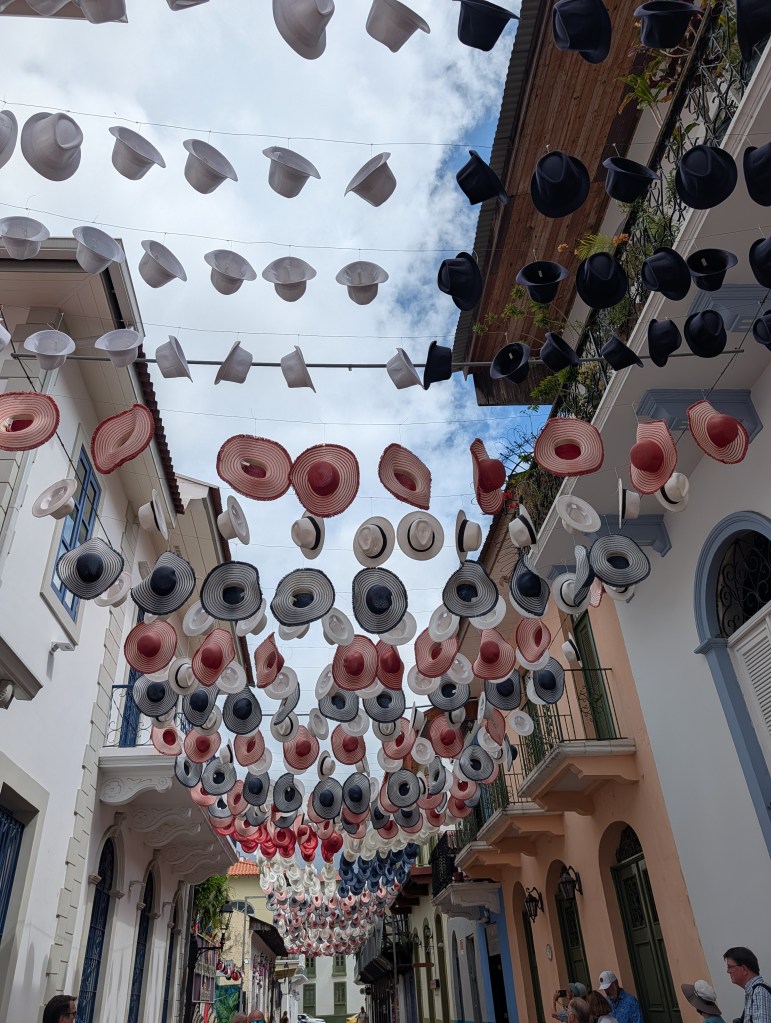
    One or two last notes on the old city – one street has a bunch of shops which sell Panama Hats – Hat Street.

    Oddly enough, all real Panama Hats are made in Ecuador, where the vegetation used to make the hats is grown. Ecuador has been trying for decades to get the name changed to Ecuador Hats, without any success. Maybe they could at least get the country name added – “Panama Hats From Ecuador”. Sort of like the Kennedy Center in Washington DC.

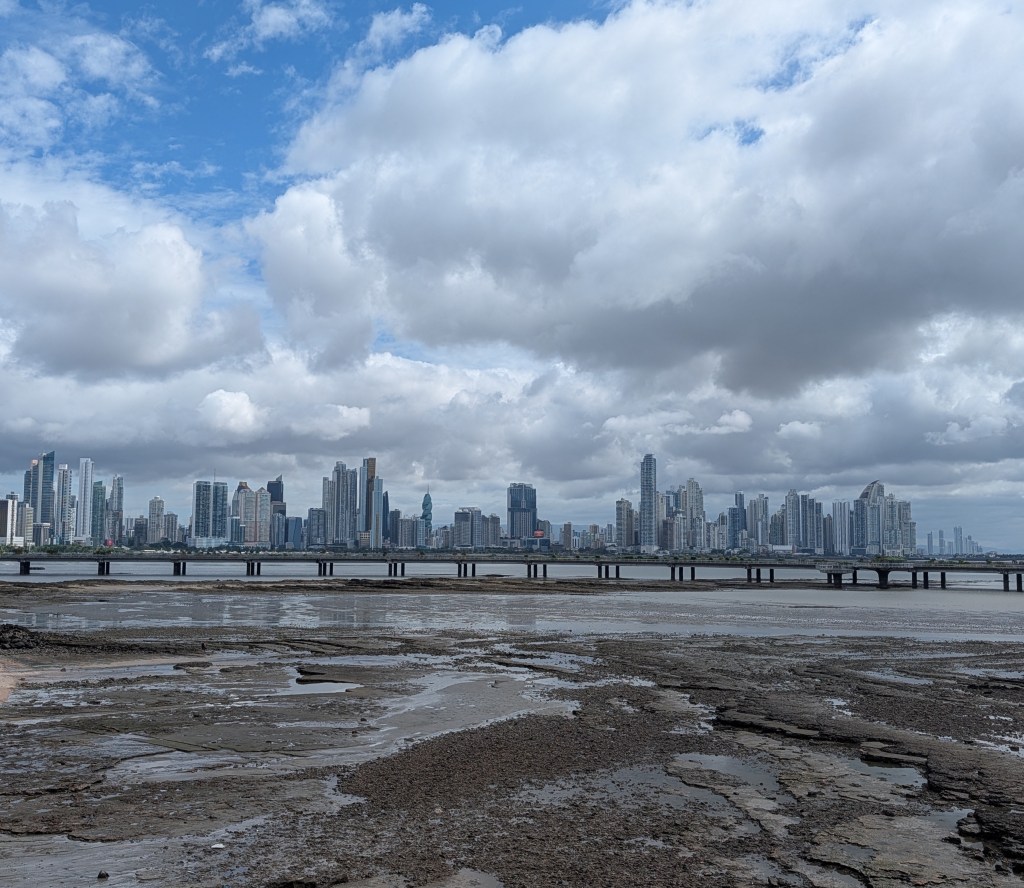
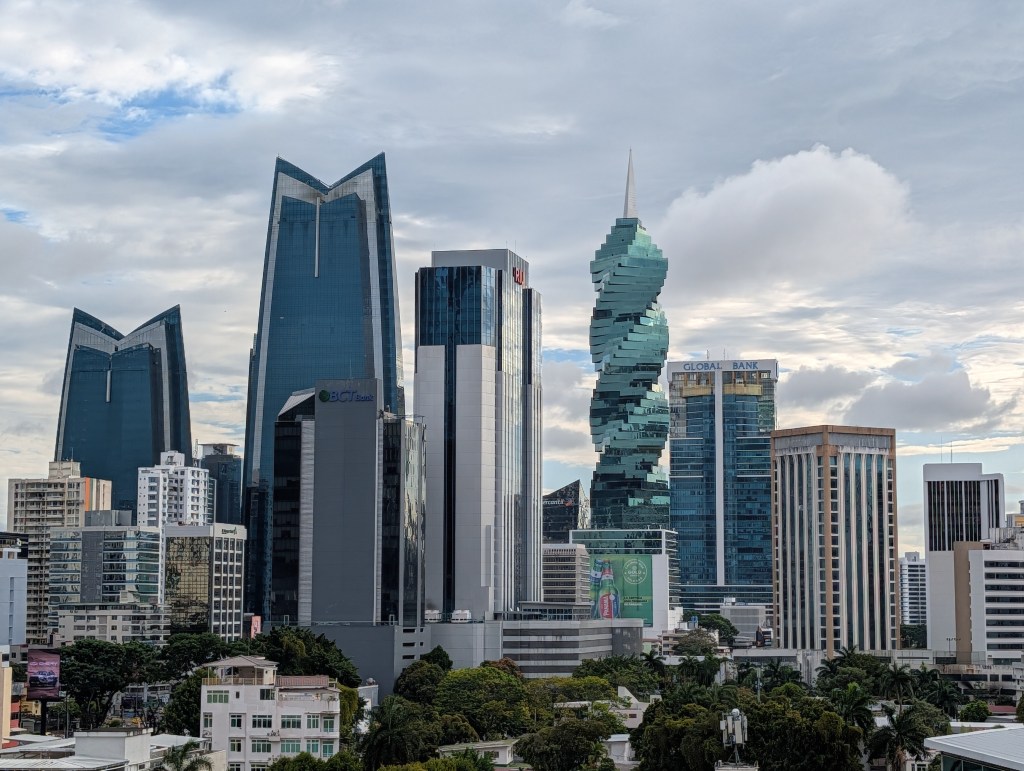
    The old town is located on a small peninsula which juts out into the Pacific, so you get some nice views of the city, most of which which has pretty much been built in the past two decades. The photo below was shot at low-tide….there is a 27 foot difference between low and high, and it changes every 6 hours. People go out in the flats to dig up shell fish, and then have to run back to shore as the tide comes rushing back in. That might be fun to watch.

    A view of the Panama City skyline at low-tide, from the Old Town

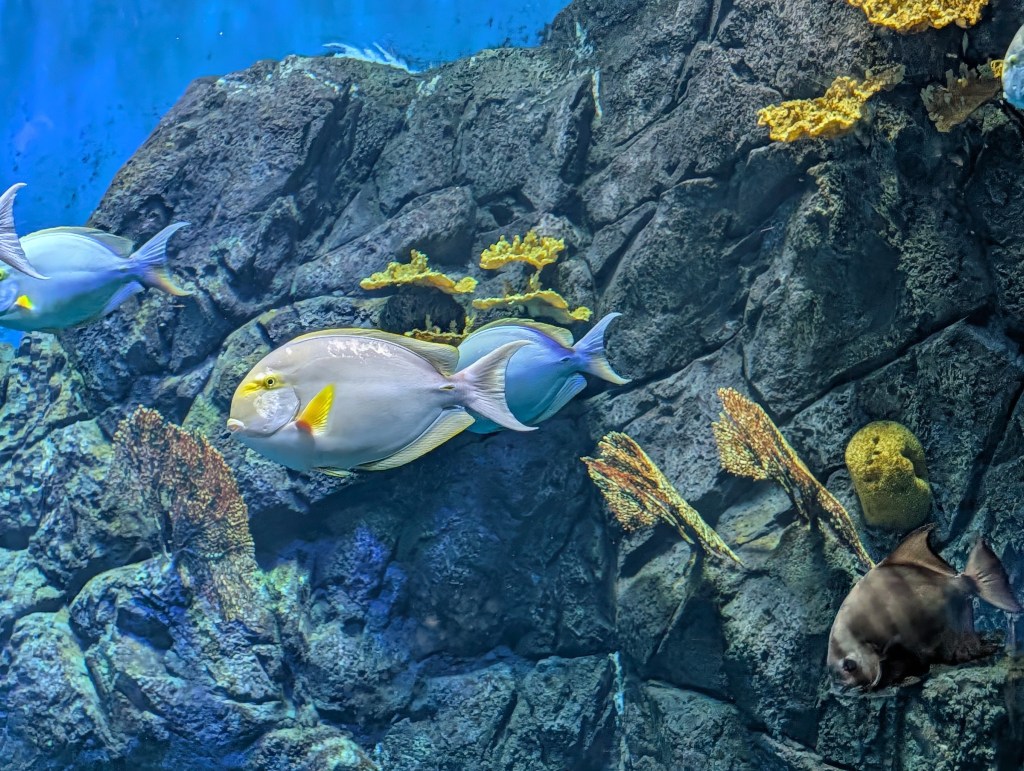
    Almost forgot – if you ever travel to Panama, be sure to visit the Biodiversity Museum, which was designed by Frank Gehry. With the exception of the Panama City and Colon, most of Panama is either farmland or jungle, with large tracts still controlled by the indigenous population who are stewards of this land. The overall diversity of life is amazing here. This museum is fantastic, and has exhibits which highlights the animal, plant and insect populations of the country, as well some incredible exhibits on the geology, and prehistoric life (animal and human) of the isthmus. There is even a small aquarium. Worth visiting for sure.

    Fish swimming in a tank at the Biodiversity Museum aquarium

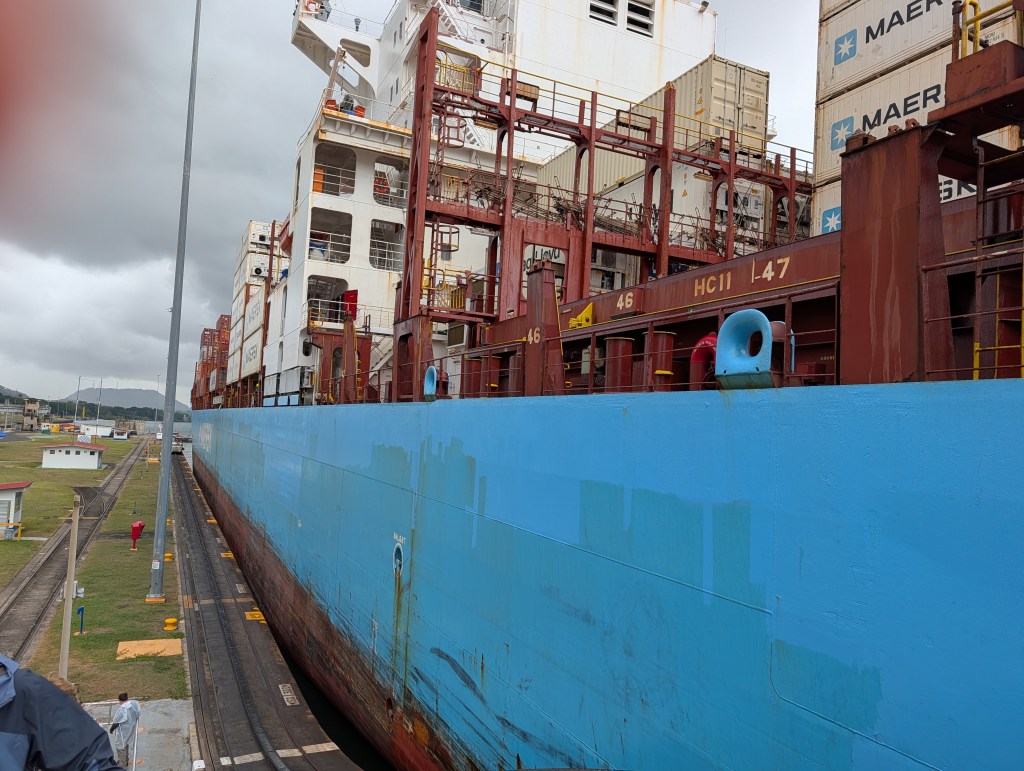
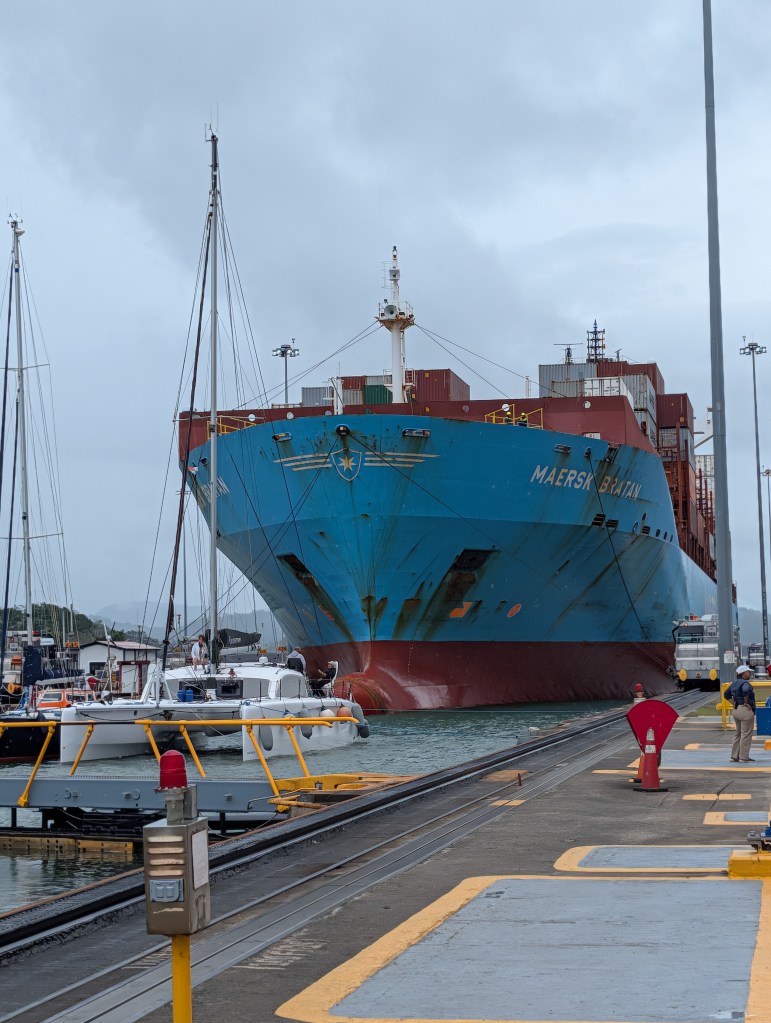
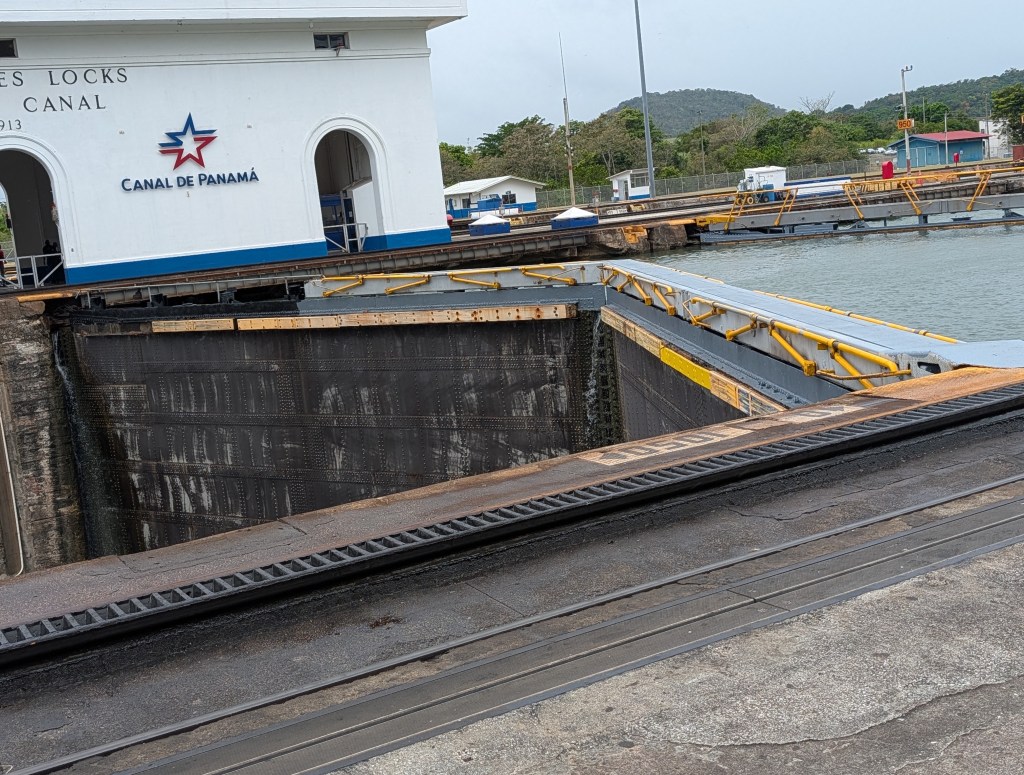
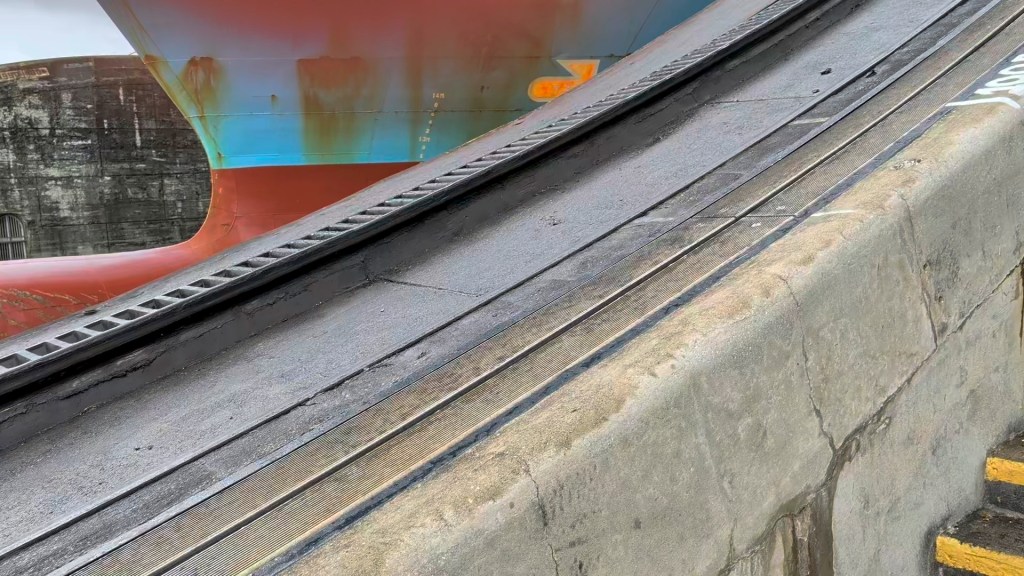
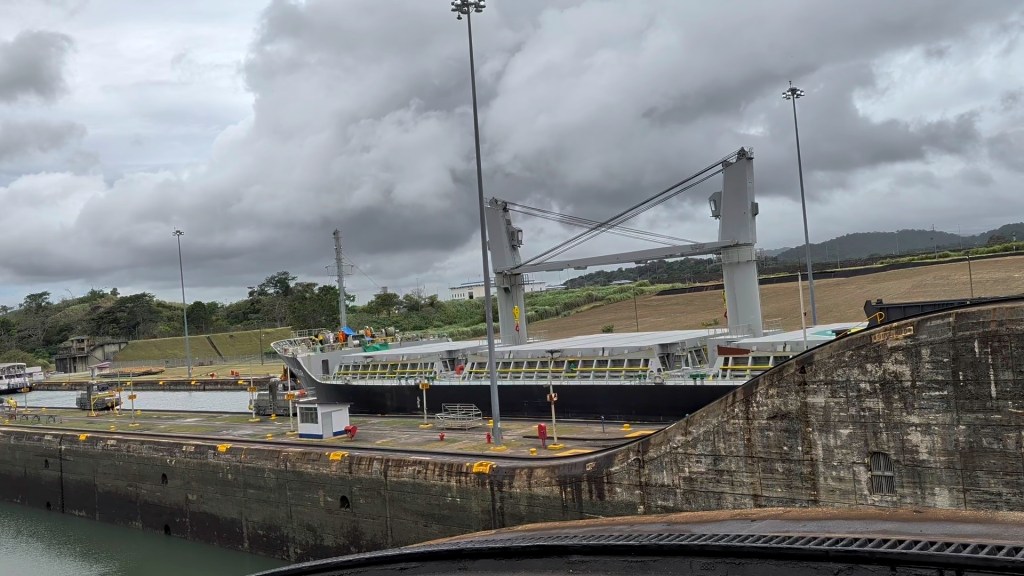
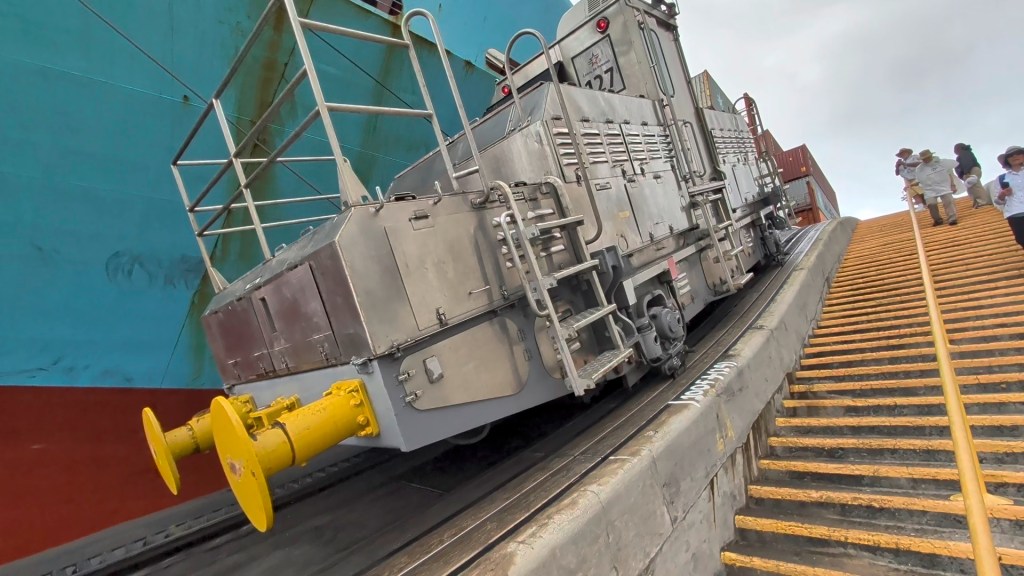
    After rehydrating at lunch (walking in high humidity is draining), we headed out for our VIP tour at the Miraflores Canal. This is one of the tourist stops for the Panama Canal, with a large visitor center which includes  an IMAX theater for viewing a really cool documentary narrated by Morgan Freeman. The standard tourist ticket gets you to a viewing stand, where you can watch ships transit through the lock. We had a VIP tour, with our own guides, and access to edge of the lock. Quite a different experience – you can reach out and touch the ship (if they let you and you’d probably have your arm torn off anyway so don’t do it). We scheduled the tour when a couple of large container ships were transiting the locks. It was amazing to watch as the huge ship pulled in (with two small sailboats crammed in front) and then watch as the lock water level dropped 27 feet in a few minutes. Then the ship was pulled through to the next lock with electric engines (mules) and then lowered another 27 feet to gain entry to the next channel leading to the Pacific. Quite the operation. And best of all, we would be going through the locks in a few days, and get to see the operation from the ship side. Woo hoo!

    I have some great video of the huge container ships moving along the canal, but I’ll have to add those after I return. The Wifi on the ship is not strong enough to support video uploads to WordPress.

    We finished the day off with a noisy dinner in the Old Town, after sitting in traffic on the drive back to the hotel. Traffic in Panama City is awful during rush hour since many of the works live outside of the city. And there are lots of cars, even though they have a subway and inexpensive public transportation. It gets worse when it rains – many of the roads flood. A lot of the buses and cars have snorkels – the water can get pretty high. The dinner was OK – food was great, service inconsistent, noise levels at “Heavy Traffic” on my phone app, but still a good evening and day overall. 

    Not a bad start for the trip after what I’d been through getting there. And I was not arrested for impersonating a National Geographic photographer. Things were looking up. 

    Peace