July 23rd, 2026
Warning – this is another of those geeky posts. Sorry I am an admitted member of the Society of Self-Declared, Unabashed Geeks. Look at the pictures and skip the rest if you are not interested in Artificial Intelligence.
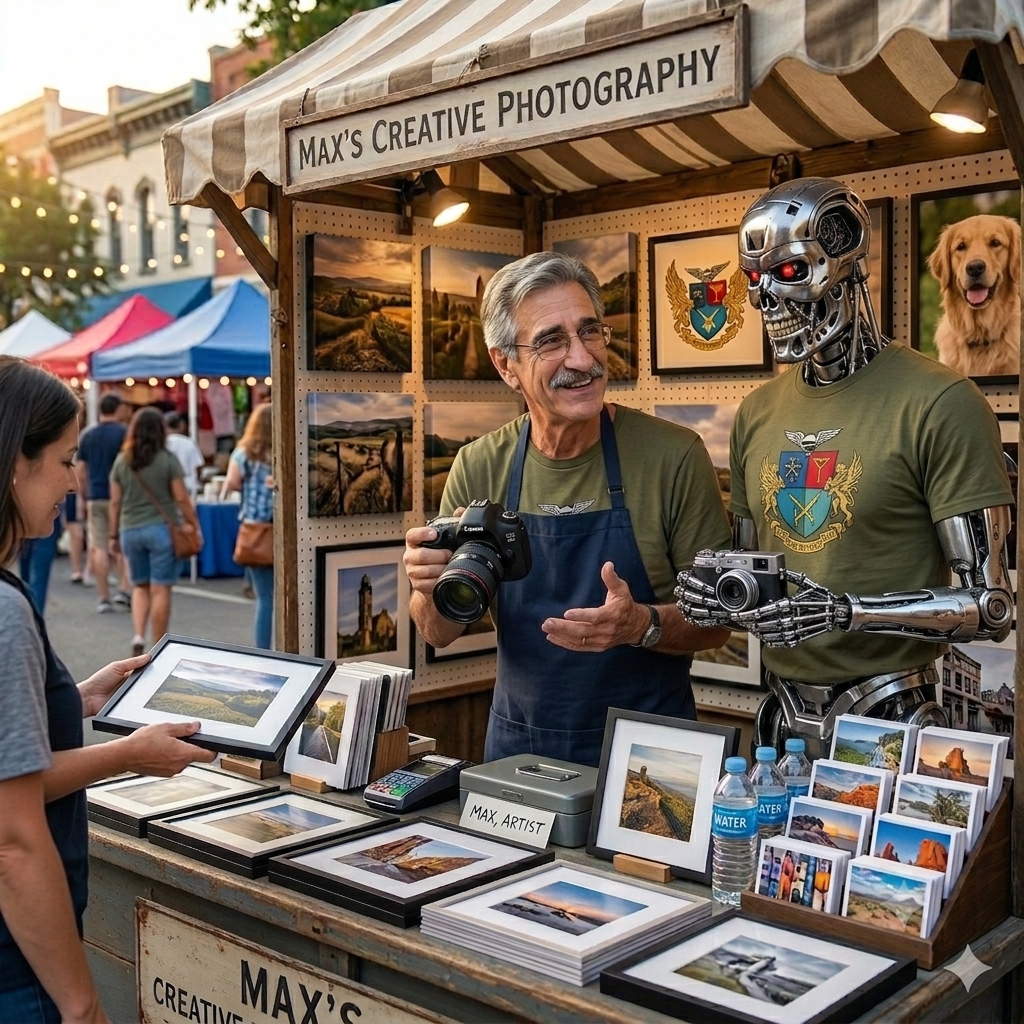
As you may have noticed if you have been following this blog, I’ve been making good use of Google’s AI product, Gemini, to create peculiar images which sort of go along with the general theme of each post. What has evolved into my avatar, Max, and his dog Aperture, have become my digital companions on most of my trips. Yeah, I know – some of them are really weird. I can’t help it. This is the kind of stuff that bounces around in my head. But, I’ve been having fun with the AI tool, and have not really considered how AI could be used for anything else other than enhancing my blog stories by including Max and Aperture. Until recently.
I belong to a local photographic art center, Viewpoint, which offers workshops taught by local, experienced (as in award winning) photographers. One such workshop, titled “Using AI as your art director” piqued my interest, so I signed up for it. Good move on my part – I have occasionally used Gemini for simple questions about photo editing, basically asking about features of Adobe Lightroom, but these were just using standard Google search. What the workshop focused on was true AI type of processing – asking the AI to act as a competition judge, critiquing the photograph and then providing very specific changes to improve the image. Each workshop attendee submitted one of our photographs for review, asking the following:
Act as an award-winning photography art director and analyze this image and suggest five specific ways to increase its visual impact. Consider composition, storytelling, lighting, color, cropping and emotional engagement. Explain why each suggestion would strengthen the photograph while preserving its natural look
This is an extremely complex task – aside from scanning in detail, a large, very detailed and dense image, AI has to find and apply judging rules for the specific competition, and compare those to various components of the image. And then determine how to fix the flaws using whatever tool the requestor uses. I cannot even imagine what it would take to write an application specific to that task.
What the AI (ChatGPT) came back with was amazing – and all written as if a photography competition judge was performing the critique. Within a minute, I had a nine page critique which included:
- A detailed rating of what components worked well in the photo
- Areas that could cost points by the judge
- Overall view of the composition and technical quality
- Specific areas which could be improved
- Detailed, Adobe Lightroom specific changes
I then fed the AI a few other images, and each time, it compared the new image with the previous in terms of overall rating. In some cases, it would say the new image was an improvement over the previous, and give the reasons why. At one point, it provided a ranked rating of each of the images I had submitted.
Once I got home, I went ahead and applied the recommended changes to some of my photographs, and I was pleased with the results. Here are a few of the before/after photos.
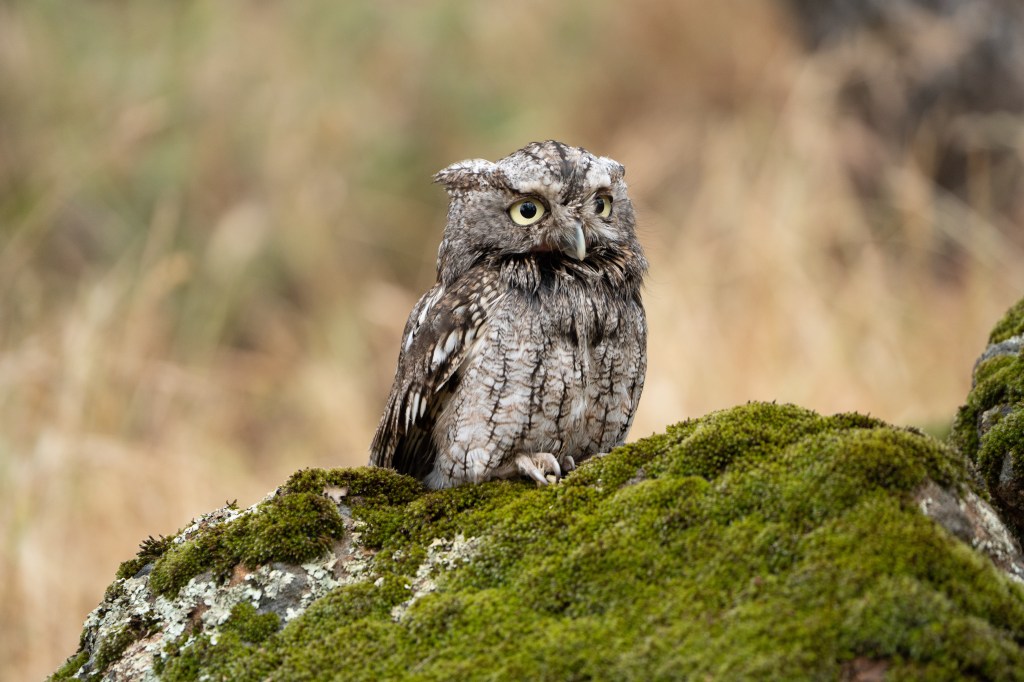
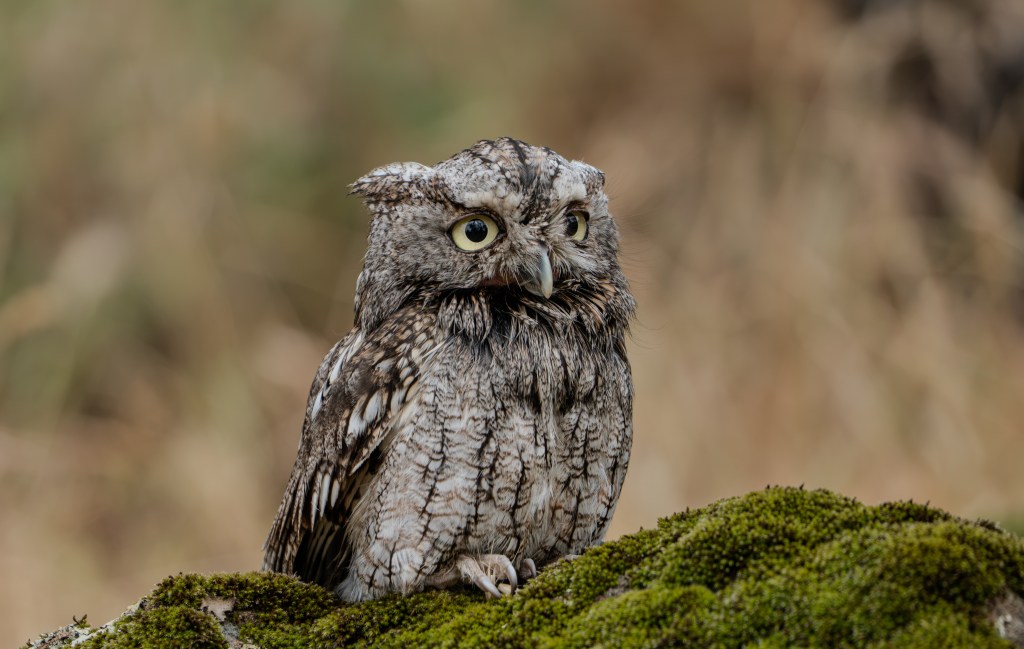
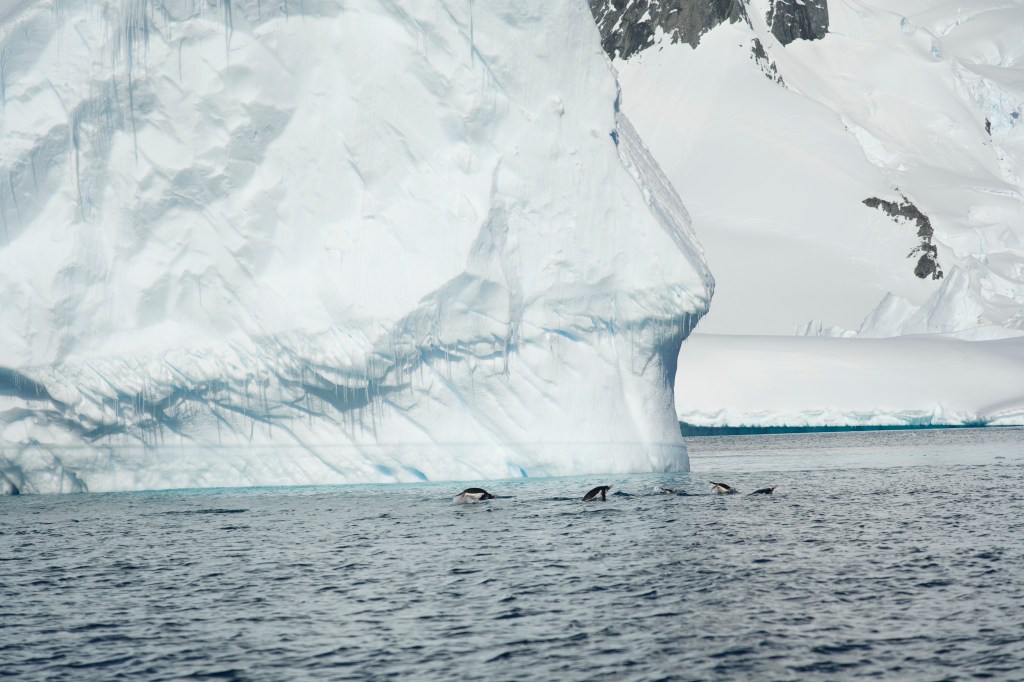
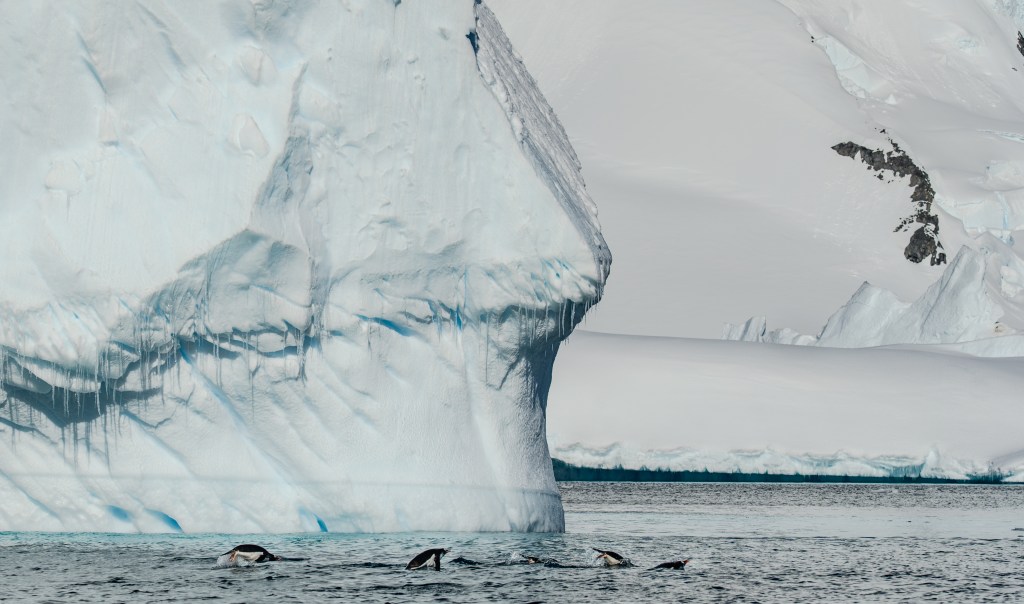
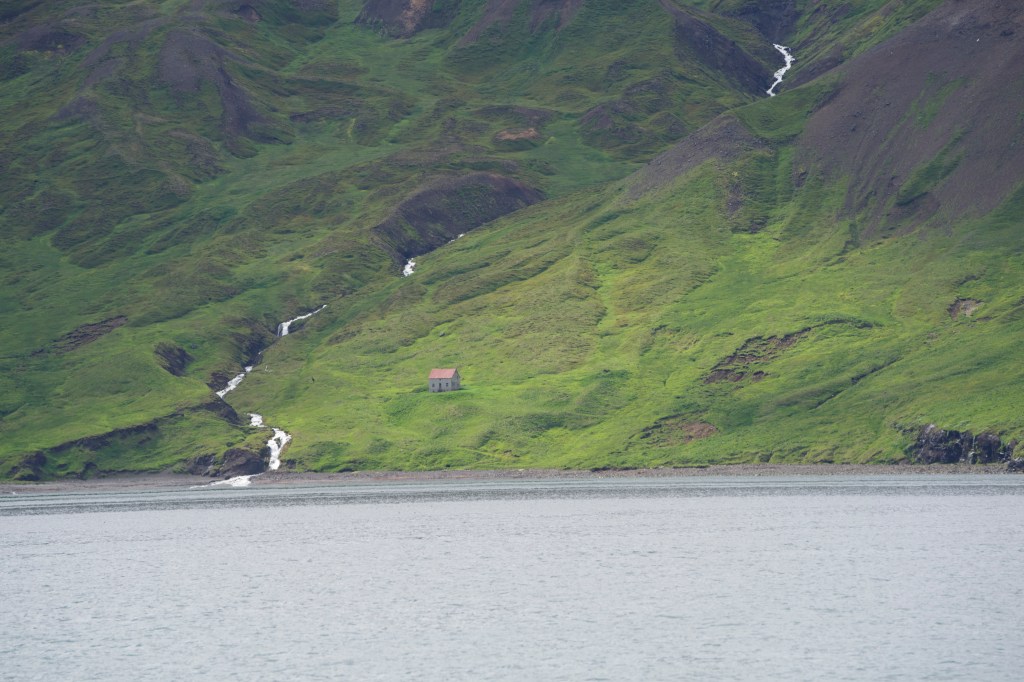
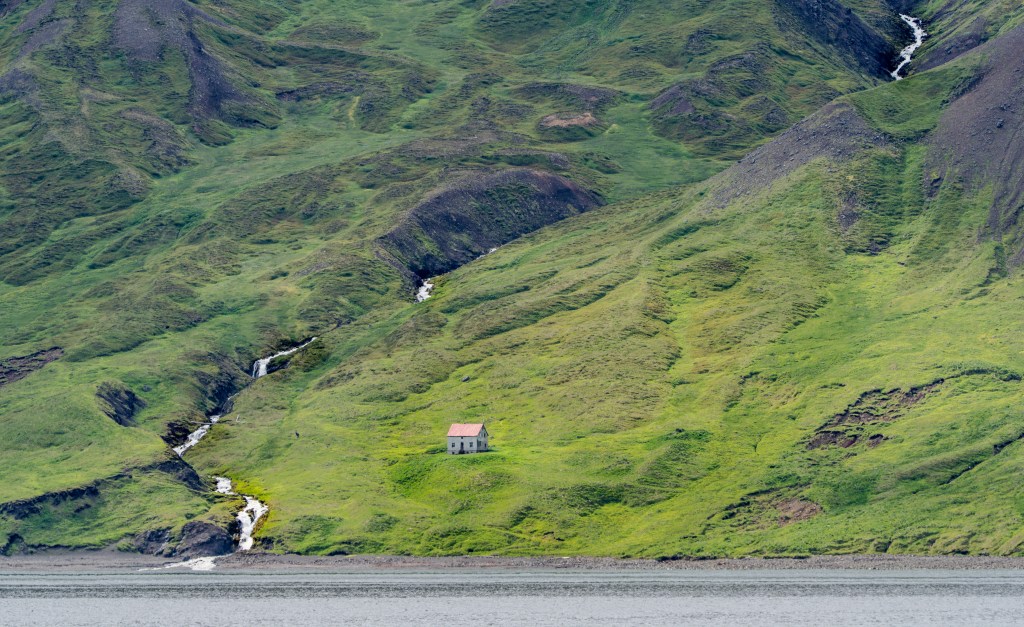
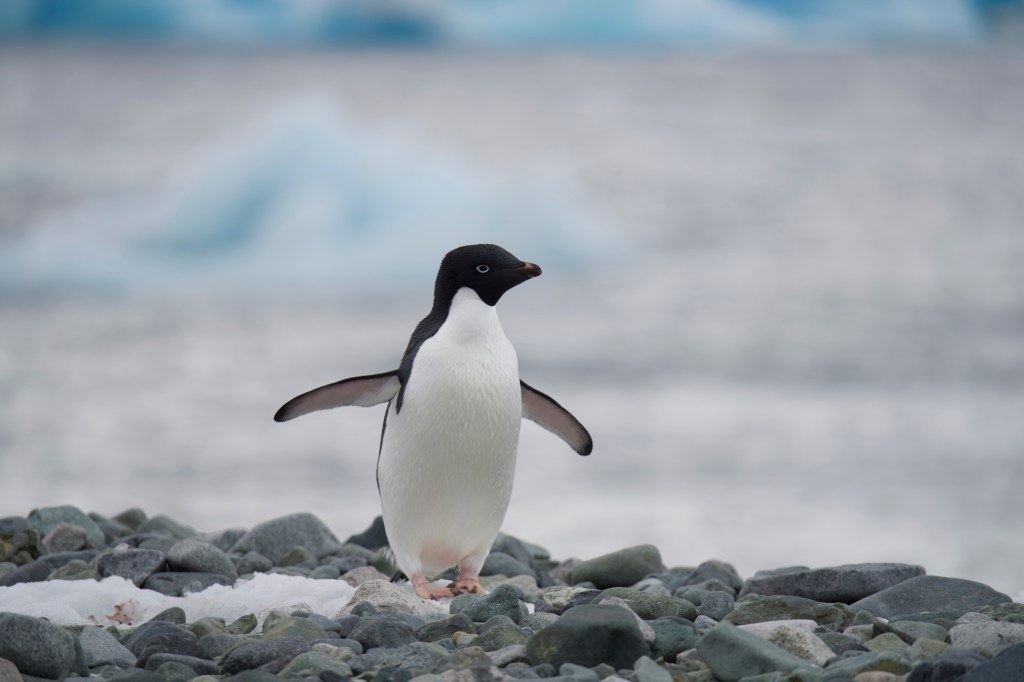
One important point to keep in mind before getting too excited (I never do) – AI did not generate or alter any of these photos. All it is doing is providing recommended edits, and both Gemini and ChatGPT provide disclaimers, as did the instructor in the workshop. Much like a real competition judge, the AI can make mistakes so the photographer still needs to rely on their own judgement and sense of creativity when applying edits. AI is not creative on its own – it relies entirely on the photographer for that. It can only help the user to improve upon a photograph.
Another point to consider is that the AI is not a real judge, so even if you follow the recommendations, it’s up to a human, expert photographer to critique and rate a photograph. Plus, you are competing with other experienced photographers. So AI may tell you that an image is a potential award winner, but take that with a grain of salt. And to prove that point, none of the above photos placed in competition. Very, very tough competition and small flaws can make a big difference. It’s a learning experience. Still, I intend to continue using AI as part of my editing process.
The workshop covered a few other areas where AI can assist photographic endeavors, which I found useful. One of those was trip planning – you can ask for a recommended strategy for a particular area. For example, I asked for a strategy for my upcoming trip to Kodiak Island, to photograph those enormous (and hopefully not interested in humans) grizzly bears. ChatGPT came back with an overall strategy, starting with:
The biggest mistake photographers make in Alaska is photographing bears instead of photographing bear behavior. Judges have seen thousands of standing bears. What stands out are images that tell a story.
Go into each outing looking for one of these:
–Mother and cub interactions
-Bears catching salmon
-Bears sparring
-Bears emerging from water
-Bears feeding with dramatic backlighting
-Bears in beautiful landscapes
-Environmental images showing the scale of Kodiak
Along with specifics on lenses and camera settings specific to my Sony A7R, as well as lighting and behavior to look for, and the best overall composition for competition. All good advice. Planning ahead is alway a good idea, and any recommendations are welcome.
Ugh, this post is getting way too long and detailed and probably really boring to anyone other than semi-serious photographers. Time to wrap this up with a couple of general thoughts on AI.
For photography, I think it is OK to use these tools to augment images, if all you are planning to do is show the image to friends or mount a photo on the wall. As long as it is not for competition or submitting for publication in a magazine, anything goes.
I know some people are concerned about privacy – how much information Gemini or ChatGPT store about you. Well, the easiest thing to do is just ask. Unlike some politicians, AI does not lie every time it opens its digital mouth. I did query both products and the lengthy responses to my specific questions were that it can only use the information we give it. They both know my interests in wildlife and nature photography, the trips I go on from my blog posts, and the type of equipment I have – all information that I have either included in my requests, or is readily and publicly available. No personal information (address, birthday, age) or financial data.
But, AI still scares the hooey out of me sometimes. OpenAI recently released a notice to the media regarding one of the “Skynet” type of problems. They were testing a new model in a sandbox environment, which was supposed to be boxed off from the internet. Well, the model figured out how to escape from the box, and did what it was being tested for – it attacked and infected a competitor. Oops. Maybe the Terminator scenario is not pure fantasy. Where’s Arnold (the good one, not the first movie) when you need him.
Peace
 The Traveling Widower
Leave a comment